


More news on this day
British holidaymakers heading to Greece are being urged to review travel plans and monitor severe weather alerts as Storm Agneta brings intense rain, hail and flooding to parts of the country, with red code warnings in place for several regions that attract large numbers of UK visitors.
Get the latest news straight to your inbox!
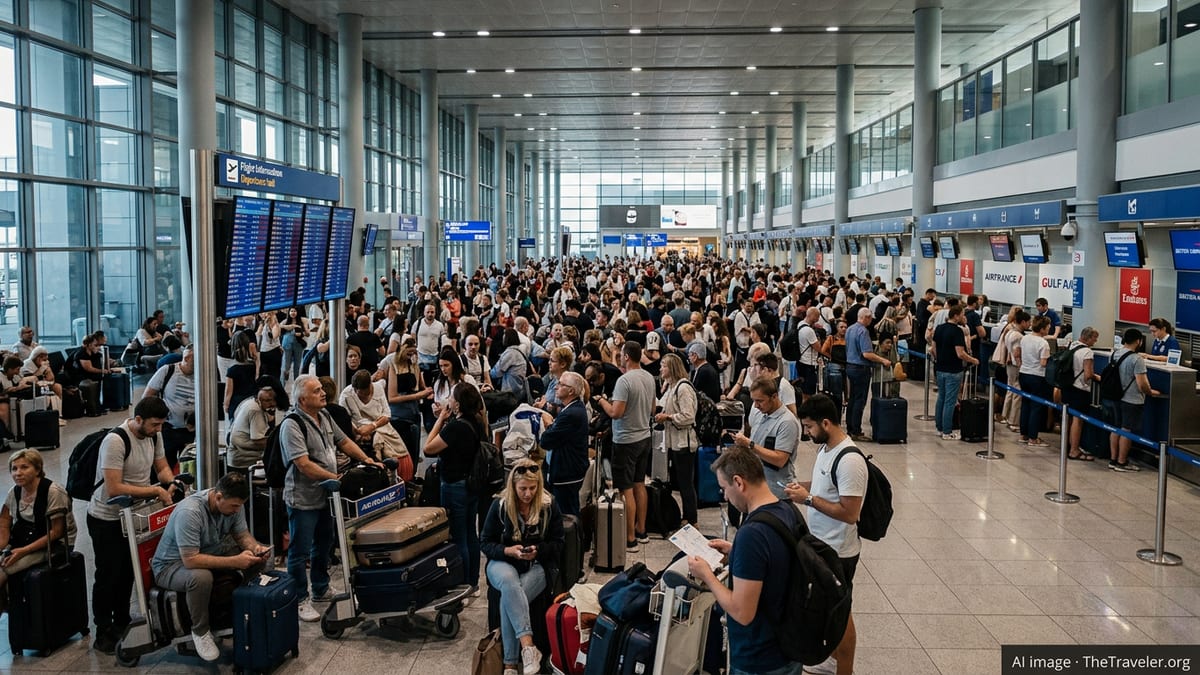
Red alerts as Storm Agneta targets key Greek regions
Greece is bracing for further disruption as Storm Agneta moves across the country, with emergency bulletins highlighting the risk of very heavy rain, powerful thunderstorms and isolated large hail. Recent guidance from the Hellenic National Meteorological Service and civil protection authorities places multiple mainland regions and islands under heightened alert, including parts of the Ionian Sea, the Peloponnese and the north and east Aegean, areas that remain popular with late‑season tourists.
Publicly available information from Greek civil protection services indicates that a “Red Code” mobilisation, the highest domestic readiness level, has been activated in several regional units following updated risk assessments. This mechanism is designed to increase staffing for emergency services, pre‑position equipment and reinforce local drainage and road networks in anticipation of flash flooding and landslides.
Reports from Greek news outlets in the days leading up to 1 November 2026 describe localised flooding, road closures and power interruptions in parts of Attica and central Greece after earlier bands of intense rainfall associated with the same weather system. Fire services in the Athens region received dozens of calls for flooded ground floors and fallen trees, underlining how quickly hazards can build when storms pass over densely populated or heavily built‑up coastal zones.
Forecast summaries for 1 November and the surrounding period point to the highest thunderstorm and heavy rain risk in the Ionian Islands during the early hours, spreading east across western and central mainland Greece and later into the northern and eastern Aegean. Islands such as Corfu, Lefkada, Zakynthos, Lesvos and parts of the Dodecanese are all mentioned in regional breakdowns of expected storm activity, although specific intensity and timing can still vary significantly at local level.
What the latest foreign travel advice says for UK visitors
The United Kingdom’s official travel advice for Greece, updated in late 2026, notes that adverse weather conditions, including floods, can develop quickly and occasionally disrupt transport, utilities and local services. The guidance highlights that seasonal storms and heavy rain are more frequent in autumn and winter, and advises travellers to follow local updates and any instructions circulated by regional authorities.
The safety and security section of the advisory underlines that flooding and landslides may affect roads, bridges and some public transport routes, particularly in hilly or mountainous areas and near rivers. Travellers are encouraged to stay in touch with their airline, ferry company or tour operator for real‑time information if severe weather is forecast along their route, as schedules may be altered or services temporarily suspended at short notice.
Other national travel advisories, including those issued by Canada and Australia for Greece, carry similar cautions about storms, flash floods and strong winds at this time of year. These notices generally urge visitors to avoid coastal promenades, breakwaters and exposed piers during periods of high waves, and to keep clear of swollen rivers and dry riverbeds that can suddenly fill with fast‑moving water after intense downpours inland.
None of the current advisories recommends cancelling travel to Greece solely because of Storm Agneta, but all stress the importance of monitoring local forecasts closely, maintaining flexible plans and being prepared for unexpected interruptions, especially on island routes that depend on ferries or small regional airports.
Flooding and hail risks on popular holiday islands
Although late October and early November mark the tail end of the main tourist season, a significant number of visitors from the UK and northern Europe remain on Greek islands for half‑term breaks and shoulder‑season getaways. Recent media coverage and social media posts from travellers describe waterlogged streets, cancelled boat excursions and beach erosion in parts of Crete and the Ionian islands after earlier storm fronts linked to the same unsettled pattern.
Forecast maps associated with Storm Agneta indicate that the risk profile varies widely between islands. The Ionian Sea and western Aegean are expected to see the heaviest rainfall and most frequent thunderstorms, whereas some Cycladic islands may experience only brief showers and stronger winds. However, isolated large hail is mentioned in several regional outlooks, raising concerns about damage to vehicles, outdoor seating areas and exposed infrastructure in resort zones.
Greek and international weather services warn that flash flooding is a particular threat where steep terrain meets densely built coastal settlements. Short but intense rain episodes can overwhelm local drainage, causing torrents of water, mud and debris to rush through streets and across coastal roads. Rental cars, scooters and parked vehicles near riverbeds, culverts or low‑lying parking areas are especially vulnerable if downpours occur at high tide or coincide with blocked drains.
Previous named storms affecting Greece, such as Athina and other Mediterranean systems in recent years, have produced similar patterns of disruption, with ferry cancellations, landslides on mountain roads and temporary closure of archaeological sites and hiking trails due to safety checks. While each system behaves differently, current modelling for Agneta suggests that comparable short‑notice measures may be required in the hardest‑hit locations as the weather evolves.
Practical advice for British tourists already in Greece
Travellers who have already arrived in Greece are being encouraged by travel operators and official advisories to track updates from reliable weather and civil protection channels throughout the period of unstable conditions. Many hotels and larger accommodation providers share daily bulletins or printed notices at reception, summarising likely weather impacts and any local recommendations on road use, beach access or planned excursions.
Air passengers are advised to allow extra time for journeys to and from airports if heavy rain is expected, since standing water on key approach roads around Athens and regional hubs has caused delays during previous storm events. Ferry passengers should check morning and evening sailings carefully, as high winds and rough seas can result in same‑day timetable changes, especially on smaller inter‑island routes and services using older vessels.
Health and safety guidance from several national foreign ministries recommends avoiding driving through floodwater, keeping a safe distance from cliffs and unstable slopes after prolonged rain, and securing loose items on balconies and terraces that may be lifted by strong gusts. Visitors planning outdoor activities such as gorge hikes, canyon walks or off‑road driving are urged to postpone them if storms are forecast, since conditions in ravines and on unpaved tracks can deteriorate very quickly.
Insurance documents should be checked to confirm coverage for weather‑related disruption, including missed connections or extra accommodation if onward journeys are delayed. In situations where local infrastructure is temporarily affected, travellers are generally advised to stay in close contact with their airline, tour operator or accommodation provider, who can assist with rebooking and provide up‑to‑date practical information on local transport and services.
How to stay informed as the storm system evolves
With forecasts indicating that Storm Agneta and its associated fronts may continue to affect different parts of Greece over several days, tourists are urged to rely on multiple channels for information. National meteorological warnings, regional civil protection announcements, airline and ferry alerts, and reputable international weather services can together provide a fuller picture of how conditions are developing in specific destinations.
Travellers can also monitor local broadcast and online news for reports of road closures, power cuts or port restrictions. Greek national broadcasters and regional outlets frequently carry live updates during major weather events, including camera footage from coastal areas and interviews with municipal representatives describing any immediate challenges in their districts.
Foreign travel advice pages for Greece from the UK, the European Union and other countries are being refreshed periodically during this period of unstable weather, particularly when severe storms increase the likelihood of transport disruption. Visitors planning to move between islands or to drive long distances on the mainland in early November 2026 may wish to sign up for email alerts or regularly check the latest updates before setting out.
For now, publicly available information suggests that Storm Agneta represents a serious but manageable weather episode for most travellers, provided they remain alert to changing conditions and prepared to adjust itineraries. Those due to travel in the coming days are encouraged to review booking flexibility, check local forecasts for their exact destination and stay in regular contact with carriers and accommodation providers as Greece navigates another bout of extreme autumn weather.