


More news on this day
British holidaymakers heading to Europe this summer are being urged to brace for queues of up to six hours at seven major airports, as new EU border checks combine with peak season crowds to create the risk of severe disruption at passport control.
Get the latest news straight to your inbox!
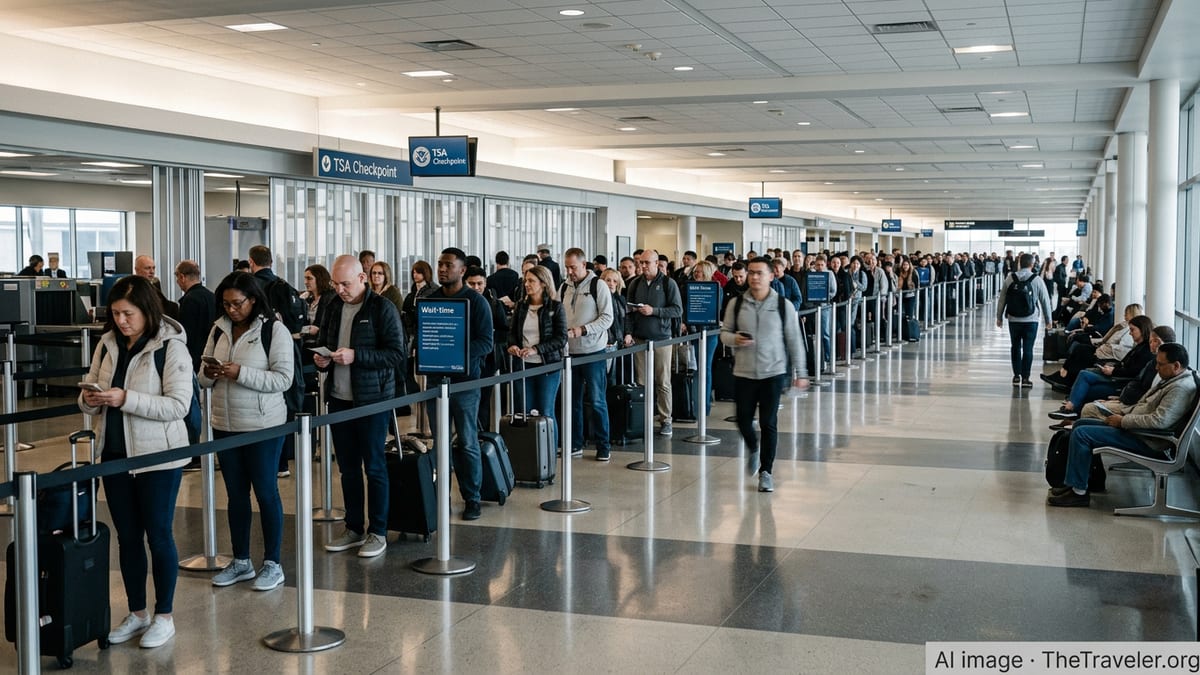
New EU border system drives fears of marathon queues
The latest warnings focus on the European Union’s new Entry/Exit System (EES), which has been fully rolled out across the Schengen area ahead of the busiest weeks of the 2026 summer season. The system replaces traditional passport stamping for most non-EU nationals with biometric registration, including fingerprints and facial scans, at the border.
Industry briefings and specialist travel coverage indicate that the shift is adding precious minutes to each passenger’s processing time, particularly for first-time registrations. When multiplied across several full planeloads arriving within a short window, this can quickly translate into snaking queues and lengthy waits at passport control for UK travellers.
Reports from aviation and travel outlets describe the new checks as a significant operational challenge for airports that were already running close to capacity during peak periods. Trade bodies representing airports and airlines in Europe have warned that, without additional staff, booths and kiosks, waiting times at borders could stretch to four hours as a baseline in the busiest waves, with worst-case scenarios extending to around six hours if systems falter or if data needs to be re-entered for returning passengers.
The situation is not confined to one country or hub. Accounts of long queues have emerged from both major gateways and popular leisure destinations, underlining how the combination of technology rollout and surging demand is straining border infrastructure across the continent.
Seven high-risk airports under the spotlight
Travel industry coverage has highlighted seven airports viewed as particularly vulnerable to long queues for British passengers this summer, based on traffic patterns, reliance on UK leisure markets and early signs of congestion under EES. These include large transfer hubs and busy Mediterranean holiday gateways where flights from the UK arrive in concentrated bursts.
While exact wait times vary from day to day, these airports share common risk factors: high volumes of non-EU passengers, terminal layouts that funnel large numbers of arriving travellers toward limited manual booths, and a dependence on peak-season charter and low-cost services that compress demand into narrow time bands. In such conditions, even short technical issues or staffing gaps can quickly cascade into multi-hour delays at border control.
Reports indicate that some of these airports have already seen queues stretching to several hours at peak times since the new system came fully into effect. In response, local operators have been adjusting queue layouts, opening additional manual lanes where possible and trialling dedicated channels for families and vulnerable passengers, but many acknowledge that they are working within tight physical and staffing constraints.
Airlines heavily exposed to UK–EU leisure routes have begun drawing particular attention to these seven locations in their customer communications, warning that they are likely to experience the sharpest pressure on border facilities during the school holiday period.
Airlines and airports urge travellers to arrive much earlier
Major European carriers and airport groups have responded by advising passengers to build in significantly more time for their journeys. Several airlines serving UK travellers are now recommending arrival at the departure airport at least three hours before short-haul flights to Europe, citing the risk of knock-on delays from outbound congestion and the possibility of missed return connections if travellers underestimate inbound queues.
Publicly available guidance from aviation bodies also stresses the importance of moving promptly to the gate area and border-control zone on arrival, rather than lingering in shops or restaurants once past security. Travel reports suggest that some operators are experimenting with earlier check-in opening times and tighter bag-drop deadlines to give passengers more buffer before they encounter border queues.
Airport organisations have called for a review of how EES is being implemented at busy tourist hubs, arguing in public statements that the technology’s benefits for security and migration control must be balanced against the practical realities of processing large holiday crowds. In a recent joint communication, European airport and airline associations warned that without rapid operational improvements, extended queues risk becoming a regular feature of peak summer travel for third-country nationals, including UK citizens.
The message emerging from this combination of airline advice and industry analysis is consistent: travellers should assume that passport control may take far longer than it did before the introduction of biometric checks, particularly at the seven airports that handle the largest flows of British leisure traffic.
What UK holidaymakers can do to reduce disruption
While individual passengers cannot control queue lengths, travel experts suggest a number of practical steps that can make the experience more manageable. First, UK travellers are being encouraged to follow airline and airport guidance on recommended arrival times and to treat them as a minimum, especially when flying in school holiday peaks or at popular weekend departure slots.
Passengers are also being advised to have passports ready and to complete any necessary forms or pre-registration steps well before reaching border booths. For families, keeping travel documents together and explaining the process to children in advance may help speed individual interactions with border officers, even if overall queues remain long.
Travel commentary further recommends allowing more generous connection times when booking itineraries that involve transfers at the seven most affected airports. Where possible, choosing flights that arrive outside the very busiest morning and evening peaks may also reduce the risk of hitting the longest lines, though such options can be limited on popular routes in July and August.
For many British travellers, this summer will be the first time they encounter the fully operational Entry/Exit System during a peak holiday period. With forecasts pointing to one of the busiest seasons in recent years, the prospect of six-hour queues at major airports is emerging as a key consideration when planning European breaks.