


More news on this day
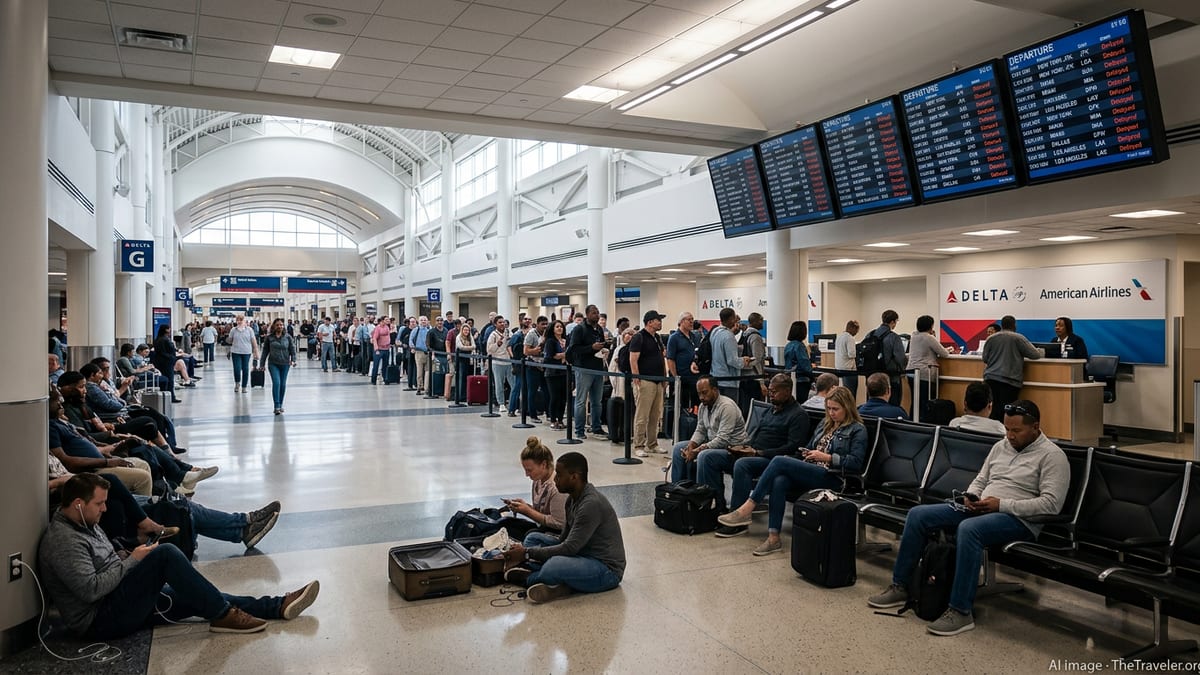
Travelers at Buffalo Niagara International Airport in New York faced mounting frustration today as at least 26 flights were delayed and seven were canceled, disrupting operations on several major U.S. airlines and leaving passengers stuck in terminals for hours.
Get the latest news straight to your inbox!
Stormy Weather and Network Strains Ripple Into Buffalo
Reports from flight-tracking services on June 15 indicate that widespread weather issues and air traffic bottlenecks across the United States triggered a new wave of delays and cancellations that spread into regional hubs such as Buffalo Niagara International Airport. Nationally, hundreds of flights within, into, or out of the country were disrupted early in the day, with major coastal and Midwestern airports experiencing rolling schedule changes that affected downstream connections.
As aircraft and crews fell out of position at larger hubs, smaller but strategically important airports like Buffalo saw schedules deteriorate through the morning and afternoon. Disruptions at major nodes in the network tend to cascade, and regional airports that rely heavily on connecting traffic often feel the impact hours after the first storms or ground stops are reported elsewhere.
Buffalo’s role as a gateway for both Western New York residents and Canadian travelers from the nearby Golden Horseshoe region adds to its sensitivity to national operational shocks. When large coastal and Midwestern hubs struggle, Buffalo’s route network, heavily dependent on those same airports, is quickly affected by aircraft rotations, crew duty limits, and missed connections.
Major U.S. Airlines Among Those Affected
Publicly available flight-status boards showed delays and cancellations at Buffalo affecting several well-known carriers, including American Airlines, Delta Air Lines, Southwest Airlines, JetBlue Airways, and United Airlines, along with flights marketed by regional partners. The disruption spanned a mix of short-haul domestic services and longer domestic and international connections, complicating rebooking efforts for passengers bound for onward destinations.
Delays at key hubs such as New York, Chicago, and Atlanta can create immediate knock-on effects for Buffalo because multiple airlines operate hub-and-spoke schedules through those cities. Aircraft that arrive late into Buffalo may depart behind schedule or be reassigned entirely, forcing airlines to consolidate flights, extend layovers, or cancel select services outright.
Regional operators that fly under the brands of larger airlines are particularly exposed when weather and traffic constraints tighten. Although aircraft may be on the ground in Buffalo, mismatched crew availability or slot limitations at destination airports can still force last‑minute changes, adding to uncertainty for travelers already inside the terminal.
Domestic and International Travelers Face Long Waits
The impact of today’s disruptions extended beyond Buffalo’s immediate catchment area. The airport serves not only Western New York but also a sizable cross-border market from southern Ontario, where many travelers choose Buffalo for its U.S. domestic connectivity and generally competitive fares. When schedules unravel, both sides of the border feel the effects.
Passengers on domestic flights faced missed connections, overnight stays, and altered itineraries as airlines attempted to move travelers through alternative hubs. International itineraries, including transborder journeys that rely on Buffalo as the starting leg toward major U.S. gateways, were also affected when early segments were delayed or canceled, forcing some travelers to rebook entire trips.
Families beginning summer holidays, business travelers heading to early-week meetings, and visitors bound for the Niagara region’s tourist attractions all encountered uncertainty as departure times shifted repeatedly. For some, even modest delays risked disrupting cruise departures, tour schedules, or tightly timed events at their final destinations.
Airport Experience Strained but Operational
Despite the irregular operations, Buffalo Niagara International Airport continued to function, with security, baggage handling, and concessions operating as normal. However, extended waits placed additional pressure on public seating, food outlets, and customer-service desks as travelers sought information and assistance.
Observers described busy but orderly scenes, with passengers watching departure boards and airline apps for rolling updates. Travelers whose flights were canceled joined lines for rebooking and explored options such as rerouting through different hubs, moving to later departures, or in some cases shifting to alternate airports in the region.
The combination of summer construction and heavier seasonal travel further contributed to congestion on access roads and at curbside drop-off and pickup points. While there were no indications of broader safety or security concerns, the day’s events highlighted how quickly a regional airport can feel the strain when multiple carriers experience operational headwinds at once.
What Passengers Can Do When Disruptions Hit
Travel analysts frequently note that days like today underscore the importance of monitoring flight status early and often, particularly during peak travel seasons and periods of unsettled weather. Checking airline apps, airport displays, and flight-tracking services before leaving for the airport can provide an early warning of trouble and occasionally create opportunities to adjust plans.
When disruptions occur, travelers may benefit from exploring multiple channels at once, including self-service tools, airline apps, airport kiosks, and staffed service counters for rebooking. Those with time-sensitive commitments sometimes consider alternative routings, nearby airports, or even ground transport for shorter regional journeys, depending on availability and cost.
Passenger-rights policies vary by airline and by the cause of a delay or cancellation. Weather-related problems typically limit compensation options, but carriers may still offer meal vouchers, hotel discounts, or no-cost itinerary changes in some cases. Industry observers suggest that maintaining documentation of delays, cancellations, and added expenses can help travelers evaluate any later reimbursement opportunities through airlines, travel insurance, or credit-card protections.