


More news on this day
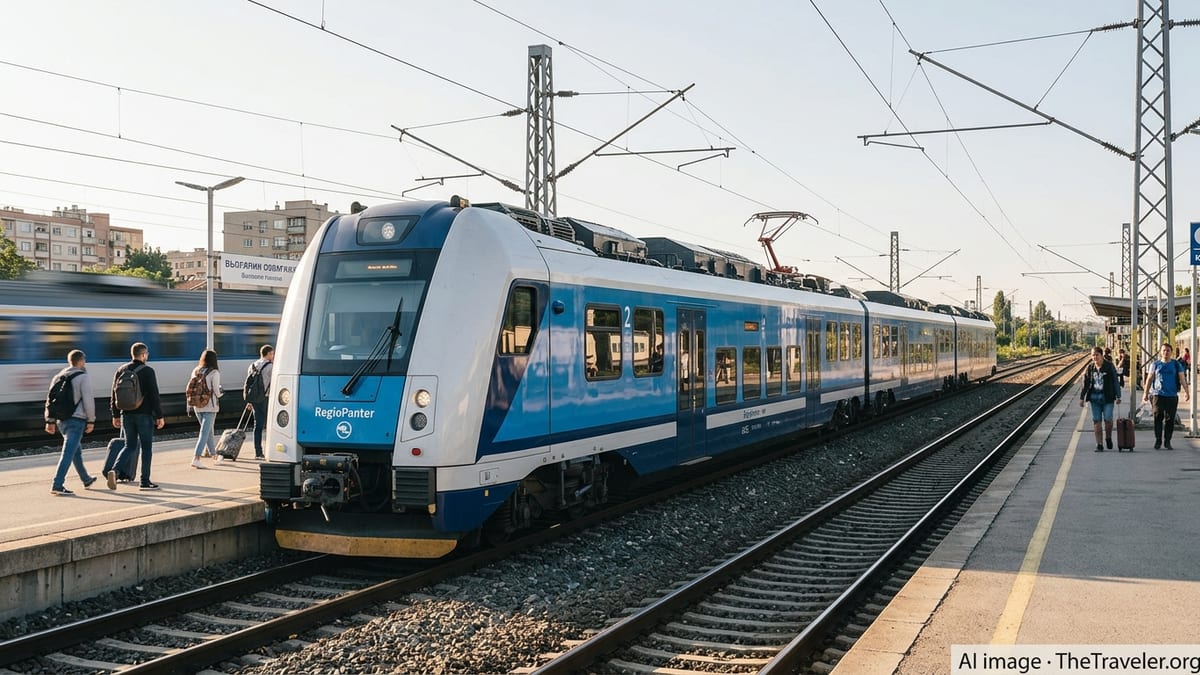
Bulgaria has unveiled its first new generation of Škoda-built electric multiple units at Sofia Central railway station, signaling a high-profile push to modernize its ageing fleet and restore public confidence in a rail system long associated with delays, breakdowns and chronic underinvestment.
Get the latest news straight to your inbox!
Flagship trains for a struggling national operator
The new four-car electric multiple units, developed by Škoda Group for Bulgaria’s state-owned operator BDZ, were presented at Sofia Central station after completing initial testing on domestic tracks. Publicly available information shows that the units are based on Škoda’s RegioPanter platform, adapted for Bulgarian infrastructure and regional service needs.
Government and company releases indicate that Bulgaria has ordered 25 single-deck, low-floor EMUs from the Czech manufacturer, financed largely through the National Recovery and Resilience Plan and the EU-backed Transport Connectivity Programme 2021–2027. The package, valued at more than 300 million euro, includes long-term maintenance and staff training commitments intended to guarantee reliability over the trains’ lifecycle.
The new sets are expected to operate primarily on busy suburban and interregional corridors, including routes radiating from Sofia and key axes in northern Bulgaria. Officials have previously highlighted the potential deployment on lines such as Ruse–Varna and Varna–Gorna Oryahovitsa–Mezdra, where worn rolling stock and low average speeds have contributed to passenger dissatisfaction.
Industry observers describe the trains as a flagship element of a broader attempt to reposition BDZ as a viable alternative to road transport, at a time when Bulgaria is seeking to meet EU climate goals and reverse decades of rail ridership decline.
Modern comfort and accessibility features
Technical information released by Škoda Group indicates that the Bulgarian EMUs are fully air conditioned, barrier free and designed for a maximum speed of 160 km/h, although actual operating speeds will be constrained by local track conditions. Each four-car unit is configured to carry more than 300 passengers, combining standard seating, multi-purpose spaces and areas for people with reduced mobility.
The trains feature level boarding at standard platform heights, wide doors and dedicated wheelchair spaces, addressing long-standing accessibility gaps on BDZ’s legacy fleet. Passenger information systems with dynamic displays, audio announcements and modern lighting are intended to enhance the onboard experience, while surveillance systems and open interior layouts support security and visibility.
Publicly available material describes energy efficient traction equipment with regenerative braking, enabling the trains to feed electricity back into the grid under suitable conditions. This design is aligned with wider EU objectives on energy efficiency and emissions reduction in the transport sector.
Railway analysts note that the focus on comfort and reliability is directly linked to Bulgaria’s objective of attracting new passengers, particularly commuters who have shifted to private cars and intercity buses. Cleaner interiors, more predictable timetables and consistent onboard amenities are seen as essential if BDZ is to compete effectively on key domestic corridors.
A rail system under pressure to change
The arrival of the Škoda units comes at a pivotal moment for Bulgaria’s railways. For years, the national operator has grappled with ageing rolling stock, outdated infrastructure and budget constraints, resulting in frequent service disruptions and a reputation for poor punctuality. Academic studies and sector reports have repeatedly cited these issues as core reasons for rail’s low share of domestic passenger transport.
In recent years, BDZ has tried to reverse this trajectory through incremental investments. The introduction of Smartron electric locomotives on major routes, alongside targeted refurbishment of coaches, has delivered modest reliability gains, according to published analyses of operational performance. However, these measures have not been sufficient to fully address systemic problems such as slow journey times and an inconsistent customer experience.
The new EMUs are therefore framed as both a symbolic and practical break with the past. By replacing some of the oldest locomotives and coaches on regional and intercity services, planners expect to reduce failures en route and shorten dwell times at stations. Improved acceleration and braking performance, combined with better timetable adherence, could gradually lift average speeds on upgraded sections of the network.
Sector commentators also point to the psychological effect of visible renewal. New rolling stock, particularly when deployed on high-profile routes and marketed effectively, can influence public perceptions of safety, cleanliness and professionalism, even before deep infrastructure upgrades are complete.
Financing, delivery schedule and parallel fleet renewals
The Škoda contract forms part of a wider package of EU-backed rail investments in Bulgaria. According to government documentation, the first 20 trains are funded through the National Recovery and Resilience Plan, with an additional five units covered under subsequent arrangements tied to the Transport Connectivity Programme. These mechanisms are intended to accelerate post-pandemic recovery while aligning national transport policy with European decarbonization targets.
Official project timelines foresee all 25 Škoda EMUs delivered and in service by the end of 2026, with initial units undergoing dynamic testing and certification before they enter regular passenger operations. Škoda has also leased a depot in Bulgaria to provide long-term maintenance for the fleet, a step presented in company material as crucial to ensuring consistent availability and performance.
The Czech-built trains are arriving alongside other new rolling stock for the Bulgarian network. Separate contracts have brought Siemens Smartron locomotives into BDZ’s fleet, and recent announcements indicate that new Alstom-built EMUs have also been delivered for testing. Observers note that the combination of multiple suppliers and technology platforms presents both opportunities for modernization and challenges for harmonized maintenance and staff training.
Nevertheless, the scale of the current procurement wave marks a clear departure from earlier periods of minimal fleet renewal, suggesting that Bulgaria is attempting to use targeted investment to close the gap with neighboring rail systems.
Restoring trust and attracting passengers
At the core of Bulgaria’s EMU rollout is the question of public trust. Passenger comments and surveys over the past decade have frequently highlighted concerns about outdated carriages, unreliable timetables and limited onboard information. Published service quality reports for BDZ identify these issues as contributing factors to low satisfaction scores, particularly among occasional travelers and tourists.
The authorities are positioning the Škoda trains as a tangible response to those criticisms. Visible improvements such as comfortable seating, quiet operation and real-time information displays are expected to be central themes in efforts to rebuild the railway’s image. For international visitors arriving in Sofia or traveling to popular coastal and mountain destinations, the new sets may also serve as a first impression of Bulgaria’s public transport system.
However, specialists caution that rolling stock alone cannot transform the network. To fully leverage the capabilities of the new EMUs, Bulgaria will need continued investment in track, signaling and station infrastructure, along with robust timetabling, staff training and customer service reforms. Without these parallel steps, average speeds and reliability gains could remain constrained by bottlenecks beyond the trains themselves.
For now, the unveiling of the first Škoda units represents a visible milestone in a long-awaited modernization drive. As additional trains arrive and enter service over the next two years, passenger reaction and ridership trends will offer an early indication of whether Bulgaria’s high-profile bet on new EMUs is beginning to restore confidence in its crisis-hit rail system.