


More news on this day
Emergency crews were dispatched to a major commercial port after reports of a loud bang, smoke and a sudden power cut, briefly disrupting terminal operations and prompting safety checks across the waterfront complex.
Get the latest news straight to your inbox!
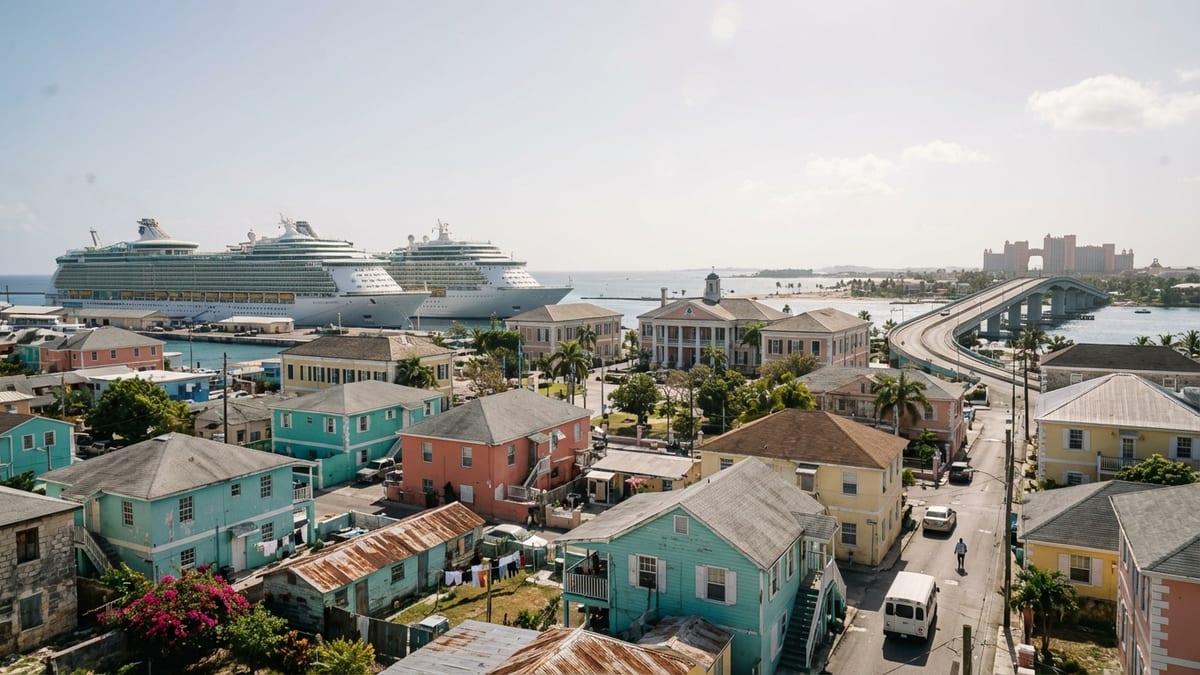
Port Operations Halted After Electrical Incident
Published coverage indicates that port workers and nearby residents reported hearing a sharp bang before smoke rose from an area housing key electrical infrastructure. The incident coincided with a loss of power to parts of the port, affecting cranes, lighting and other systems that depend on a stable electricity supply.
Initial information from local media describes the episode as an apparent electrical fault involving port-side equipment, rather than a vessel or cargo fire. While a detailed technical assessment is still unfolding, early reports suggest the problem was contained within a limited section of the facility, allowing some operations to continue using backup systems and unaffected berths.
The brief power cut added to congestion in an already busy harbor. Container moves were paused on affected terminals while operators confirmed that automated and high-voltage systems were safe to restart. Trucks and rail movements were temporarily redirected as port traffic managers worked to keep essential cargo flowing.
Ports that rely heavily on electrically powered cranes, conveyor systems and cold-chain storage are particularly sensitive to disruptions of this kind. Even a short interruption can create delays that ripple through shipping schedules, trucking appointments and downstream warehousing.
Rapid Fire Service Response Limits Damage
According to published coverage, multiple fire crews were sent to the scene within minutes of the first alerts, responding to reports of both smoke and a possible explosion-like sound. On arrival, teams focused on identifying the source of the smoke and confirming whether there was an active fire or a residual electrical fault.
Imagery shared by local outlets shows personnel staging near power infrastructure and industrial buildings, with hoses laid out as a precaution. In similar recent port incidents, such as substation and transformer fires near waterfront terminals, fire services have concentrated on isolating electricity and preventing any spread to nearby fuel facilities, warehouses or stacked containers. Those precedents appear to have shaped the approach in this latest case.
Reports indicate that the situation moved from active response to monitoring within a relatively short period. Once power was cut to the affected equipment and no ongoing flames were visible, crews focused on ensuring that hot spots were fully cooled and that any remaining smoke was simply the result of burnt insulation or cabling rather than continuing combustion.
There were no immediate reports in local media of serious injuries linked to the event. However, standard practice in similar waterfront incidents includes medical checks for workers or responders who may have been exposed to smoke or sudden pressure waves.
Travel and Trade Disruption Around the Waterfront
For travelers and port-adjacent communities, the most visible impact was the temporary loss of power and the presence of emergency vehicles. Road access around the affected terminal was partially restricted while crews worked, and some local transit routes serving the port district experienced delays as buses and shuttles were rerouted.
Cruise and ferry operations, where present near cargo berths, appeared to continue with limited interruption, based on schedules reported by regional media. Operators typically rely on a combination of shoreside power, onboard generators and independent terminal systems, which can insulate passenger services from localized grid issues.
For logistics planners and shippers, the incident is a reminder that even brief outages can complicate just-in-time supply chains. Containers awaiting loading, time-sensitive refrigerated cargo and vehicles queued for export are all vulnerable when equipment stops without warning. Carriers may need to adjust sailing times or reassign berths while investigations and repairs proceed.
Nearby business districts can also be affected when port power cuts extend to neighboring warehouses or fuel terminals. In past cases at other ports, these knock-on effects have included short-term traffic congestion, delays in fueling operations and rescheduling of rail departures tied to specific vessel calls.
Focus Turns to Cause and Infrastructure Resilience
Attention now turns to identifying the precise cause of the loud bang and smoke, and to assessing the resilience of the port’s electrical network. Published reports on comparable events in other ports suggest potential culprits such as transformer failures, cable faults, or issues within dedicated substations that feed high-demand cargo equipment.
Global trade hubs have been under pressure to upgrade aging electrical systems as container volumes rise and more equipment becomes fully electrified. Shore power connections for vessels, electric yard trucks and high-capacity cold storage have all increased demand on port grids. Incidents like this one underscore how localized faults can have outsized operational and economic impacts.
Specialist engineering teams are expected to review monitoring data, physical damage and maintenance records to determine whether the event stemmed from equipment age, environmental conditions or another factor. The outcome will help shape any recommendations on redundancy, protective relays, and fire detection systems in and around high-voltage areas.
Port customers and insurers will be watching closely for indications of whether this was an isolated malfunction or part of a wider pattern of stress on critical infrastructure. That assessment will influence future investment in backup feeders, on-site generation and real-time monitoring aimed at catching potential failures earlier.
Safety Protocols and Traveler Guidance
While full details of the internal response are still emerging, publicly available information on standard port safety protocols points to a clear set of priorities once smoke and a loud bang are reported. These typically include immediate isolation of electrical circuits, evacuation of non-essential personnel from the affected zone, and coordination between port control, terminal operators and emergency services.
Travelers with plans involving ferries, cruise ships or coastal rail services are being advised by regional outlets to monitor updates from their carriers for any residual timetable changes. Most disruptions reported so far appear short-lived, but port-linked transportation networks often take time to return fully to normal after an unplanned shutdown.
For visitors staying in nearby hotels or short-term rentals, the main impact has been minor power fluctuations and visible smoke near parts of the harbor. Local tourism boards commonly emphasize that industrial incidents at ports are typically well separated from main visitor attractions, and that waterfront promenades, museums and dining districts can remain open even when specific terminals are temporarily restricted.
As investigators piece together what happened, this incident highlights the importance for ports and destinations alike of robust emergency planning, clear public communication and investment in modern electrical infrastructure. For one of the region’s most important gateways, the loud bang and brief blackout serve as a stark reminder of how quickly routine operations can change along the waterfront.