


More news on this day
A Hong Kong-bound Philippine Airlines service from Manila was delayed for hours on Thursday after a reported security concern prompted a full aircraft and baggage inspection at Ninoy Aquino International Airport, according to multiple news reports.
Get the latest news straight to your inbox!
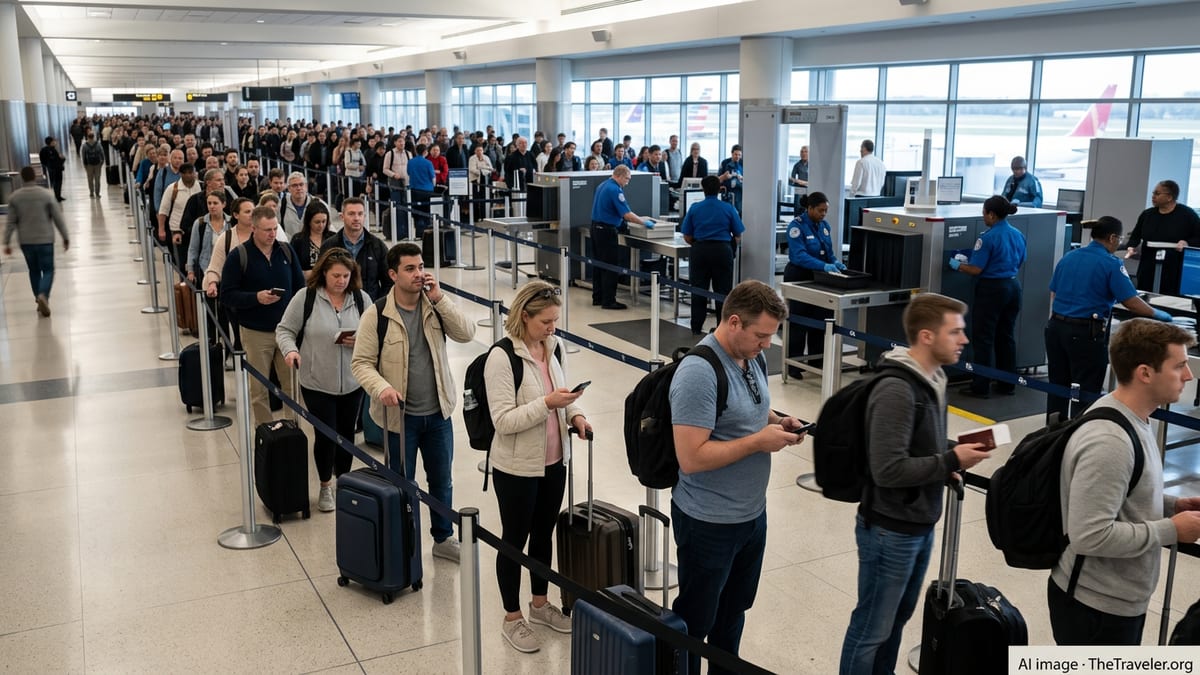
PR300 held at NAIA after loud sound and security alert
Reports indicate that Philippine Airlines flight PR300, operating from Manila to Hong Kong on July 2, was preparing for departure from Ninoy Aquino International Airport when a security concern led to the suspension of its takeoff clearance. Coverage from Philippine and regional outlets describes the aircraft as being held on the ground while checks were carried out.
According to published coverage, some passengers and ground personnel reported hearing a loud sound while the aircraft was taxiing, prompting heightened caution. The incident occurred during the morning peak, adding pressure on ground operations at NAIA Terminal 1.
Philippine Airlines issued a public statement confirming that PR300 to Hong Kong was “temporarily held” following a security concern. The airline emphasized that the measure was precautionary and that additional procedures were carried out before the flight was allowed to continue.
Accounts from news reports suggest that passengers remained either on board or within the terminal as authorities and airline teams coordinated the response. Regular updates were reportedly provided at the gate area while security checks were in progress.
Thorough inspections precede eventual departure
Publicly available information shows that PR300 was delayed for several hours while the aircraft, cargo hold, and baggage underwent detailed inspection. Coverage from Philippine News Agency and other local outlets notes that the aircraft and luggage were cleared only after comprehensive screening.
Philippine Airlines indicated in its statement that passenger safety and security remain its highest priority. The carrier said its airport and customer service teams assisted affected travelers during the waiting period, including in managing onward connections in Hong Kong and beyond.
Reports from multiple platforms differ slightly on the exact length of the delay, with some describing a hold of around three hours and others indicating nearly six hours between the scheduled 7:45 a.m. departure and the eventual takeoff. Despite the discrepancy, all available information aligns that the flight left Manila only after inspectors and security units gave clearance.
Flight-tracking data referenced by travel sites shows PR300 departing later in the day and continuing on its regular routing to Hong Kong. There were no reports of injuries or damage related to the incident, and no further disruption to the aircraft’s subsequent operations was immediately noted.
Bomb threat reports contrast with airline language
While Philippine Airlines used the term “security concern” in its public statements, some Philippine media outlets reported that the trigger for the delay involved a suspected bomb threat. Headlines from independent news platforms characterized the episode as a bomb-related alert, citing information from aviation security sources and police briefings.
At the same time, government-linked coverage quoted airline representatives clarifying that the situation did not stem from a bomb joke or a formally lodged bomb threat. This difference in wording underlined the sensitivity around labeling aviation security events and the caution airlines often apply in their public messaging.
Subsequent reports indicate that aviation security units completed their sweep of the aircraft and baggage and found no explosive device or immediate danger. After checks were completed and clearances were issued, PR300 was allowed to depart for Hong Kong.
The mix of terms used across reports reflects how security-related incidents can be interpreted differently depending on the source. For passengers, however, the practical impact was a significantly extended waiting time on a relatively short regional route that normally takes around two hours of flying time.
Impact on passengers and wider travel patterns
The extended hold at Manila added several hours to the journey for travelers on PR300, many of whom were likely connecting to onward flights or meetings in Hong Kong. Travel reports suggest that airline staff offered assistance with rebooking and onward arrangements where needed, in line with standard disruption procedures.
Despite the inconvenience, many passengers appeared to have complied with the additional security measures. Public statements from the airline expressed appreciation for traveler cooperation during screening and boarding adjustments.
The timing of the disruption came as airlines across the region manage strong demand on the Manila–Hong Kong corridor, a key route for business travel, tourism, and overseas Filipino workers. Any extended delay on a morning departure has potential knock-on effects on aircraft rotations and crew schedules later in the day.
Travel industry observers note that while such security holds are relatively rare, they can have outsized impacts on heavily trafficked regional hubs. However, because the incident was ultimately resolved without further escalation, broader schedule disruptions at NAIA and Hong Kong International Airport appear to have been limited.
Heightened attention on aviation security in the region
The incident involving PR300 adds to a backdrop of heightened attention around aviation security in Southeast Asia and the Greater Bay region. Recent years have seen carriers and airports expand their screening capabilities and emergency protocols, in part to reassure travelers amid increased demand.
Publicly available aviation analyses highlight that airlines are expected to take conservative positions whenever unusual sounds, unverified threats, or suspicious behavior are reported on or near aircraft. Holding a flight on the ground and carrying out full inspections is generally viewed as a standard safety response in such cases, even when no threat is ultimately found.
For Philippine Airlines, the episode is also a reminder of the operational challenges at aging but heavily used infrastructure such as NAIA, where congestion, maintenance concerns, and weather-related issues already pressure on-time performance. Security-driven delays, while less frequent, add another layer of complexity for carriers operating tight rotations.
Industry watchers suggest that passengers traveling on regional routes like Manila to Hong Kong may see more visible security protocols, from additional gate checks to longer boarding times, as airlines and airport operators aim to minimize risk. While this can lengthen journeys, many travelers now view such measures as a routine part of international flying.