


Travel insurance is one of those things you hope you never need, but are grateful for when a trip goes wrong. FWD has become a popular choice across Asia for its online-first travel policies, competitive pricing and options like cancel-for-any-reason on some markets. Yet the fine print can still trip people up. This guide walks you through how FWD travel insurance works in practice, what to look for before you buy, and how to avoid the most common surprises at claim time.
Get the latest updates straight to your inbox!
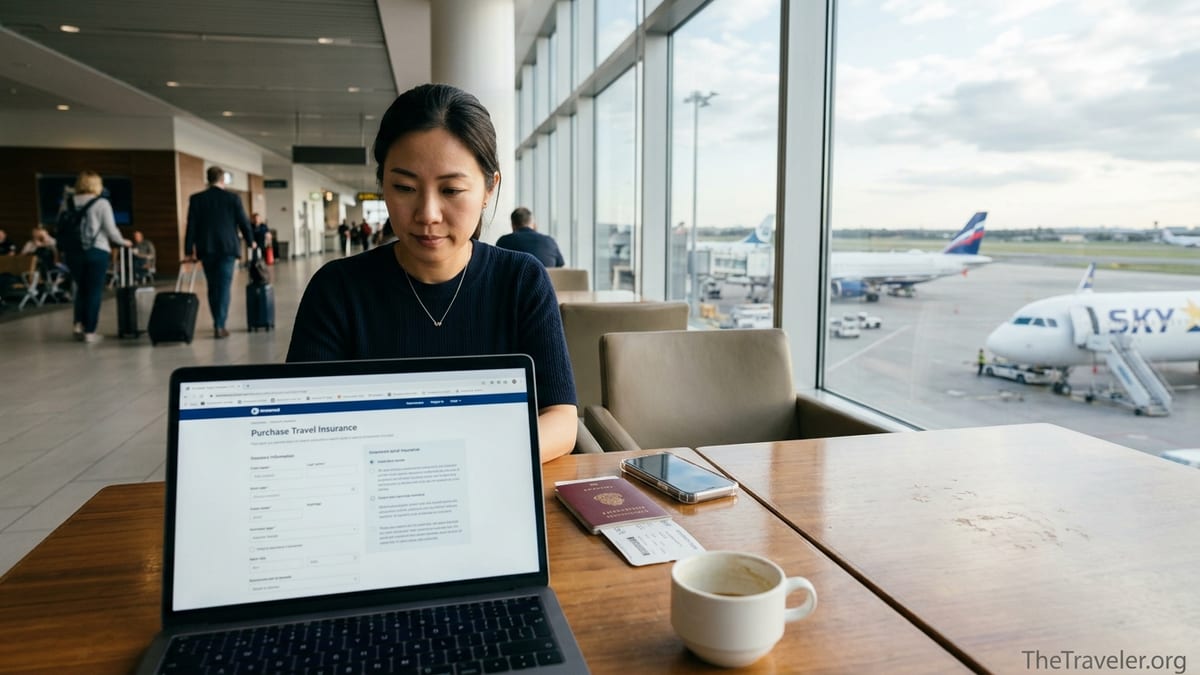
Who FWD Travel Insurance Is For and Where It Operates
FWD is a pan-Asian insurer with operations in markets including Singapore, Hong Kong, Thailand, Indonesia, the Philippines, Vietnam, Malaysia and Cambodia. In many of these markets, FWD sells travel insurance directly online, often bundled with other products like motor or health insurance. That matters because the details of trip coverage, benefits and exclusions can differ by country, even under the same brand name.
In Singapore, for example, FWD travel insurance is targeted at both leisure and business travelers, with quick purchase available on its website and via partner platforms. Travelers in Hong Kong will see slightly different plan names and regional definitions, while those in Thailand or the Philippines may access FWD travel cover through local bancassurance or agency partners. Before you compare benefits, make sure you are looking at the product page and policy wording for your country of residence, not a neighboring market.
FWD’s policies are generally designed for residents of the country where you buy the plan, departing from that country. A Singapore resident flying from Changi to Tokyo can easily buy a single-trip plan, but a French expat living temporarily in Bangkok needs to confirm residency rules before purchasing on a Thai FWD site. If you live in one country and are departing from another, or you hold multiple passports, clarify eligibility with FWD’s customer service or chat assistant before you pay.
FWD’s travel plans also distinguish between regions. A recent Singapore product update, for instance, groups destinations into ASEAN, Asia, worldwide excluding the United States, and worldwide. A weekend in Bali falls under ASEAN, a ski trip to Hokkaido counts as Asia, and a New Zealand road trip may sit in Asia or worldwide depending on the definition on that year’s wording. Mis-selecting your region can affect whether a claim is paid, so it is worth double-checking.
Types of FWD Travel Plans and Real-World Pricing
Across its markets, FWD typically offers two main structures: single-trip policies and annual multi-trip plans. Single-trip cover is tied to specific travel dates and destinations, such as a 7-day family holiday from Singapore to Seoul. Annual multi-trip cover is aimed at frequent travelers who expect to take several journeys a year, each up to a maximum trip length such as 90 days per trip. The core idea is similar everywhere, though limits and add-ons vary by country.
To put pricing in context, consider a common scenario: a 5-day leisure trip from Singapore to Bangkok for a 35-year-old traveler, with no pre-existing medical conditions. Around mid-2026, indicative online quotes for an FWD single-trip basic plan for this route often fall roughly in the range of 20 to 40 Singapore dollars, depending on promotions and upgrade options. A more comprehensive tier that adds higher medical limits and strong baggage benefits may push that closer to 50 to 70 Singapore dollars. These figures are illustrative and fluctuate with sales campaigns, but they give a sense of the order of magnitude.
For frequent flyers, an annual multi-trip plan can sometimes be more cost-effective. If that same traveler expects to take five or six regional trips plus one long-haul holiday in a year, an annual FWD plan priced somewhere around a few hundred Singapore dollars might work out cheaper than buying half a dozen single-trip policies. The trade-off is that annual plans often focus more on medical and emergency benefits and may not include every add-on that a top-tier single-trip plan offers, so it is important to compare line by line rather than just headline price.
FWD also allows you to insure different group types on the same policy. In Singapore, for instance, you can buy a “Myself” plan for a solo trip, a “Couple” plan for any two people traveling together, a “Family” plan for one or two adults plus dependent children, or a “Group” policy covering up to seven travelers. A multi-generational family of six heading from Kuala Lumpur to Tokyo could find that a family-plus-additional-travelers arrangement on one FWD policy is not only simpler for documentation, but also slightly cheaper per person than six separate solo policies.
Key Benefits You Are Really Buying
When travelers scan comparison tables, their eyes tend to go straight to big headline numbers like “Medical expenses up to 500,000” or “Trip cancellation up to 15,000.” With FWD, as with any insurer, the value lies in how these sections work in real situations, not just in the limit amounts. Before you purchase, focus on three pillars: medical coverage abroad, trip disruption protection and baggage or personal belongings benefits.
Medical coverage is particularly important if you are traveling to destinations with high healthcare costs. A Hong Kong resident visiting the United States, for example, might face emergency room bills running into tens of thousands of US dollars. While some FWD plans for Asian residents offer worldwide cover including or excluding the US, the limit you select and whether emergency medical evacuation is included can materially affect your financial risk. Look not only at the medical expense limit, but also at whether emergency evacuation and repatriation are listed as separate benefits with their own caps.
Trip disruption is the benefit you are most likely to use in practice. This can include trip cancellation before departure due to reasons defined in the policy, trip curtailment if you have to cut your journey short, and trip delay or missed connections because of weather or airline issues. For instance, a traveler from Manila connecting through a typhoon-prone hub might experience an overnight delay that forces a paid hotel stay and extra meals. With an appropriate FWD plan, documented expenses like the hotel bill and transport to and from the airport can be claimed up to the stated limit, provided the cause fits the covered events.
Baggage and personal effects coverage kicks in when your checked luggage is delayed, damaged or lost, or when valuables like cameras are stolen. A Jakarta-based photographer flying to Tokyo with expensive equipment should look carefully at sub-limits per item and exclusions for professional gear. An FWD leisure policy might cap individual items at a few hundred US dollars and exclude certain high-value electronics or sports equipment, meaning you may still need a separate specialist cover. Reading those sub-limits before you buy prevents disappointment later when you discover your premium drone is only partly covered.
Special Features: Cancel For Any Reason and COVID-19
One reason FWD has attracted attention among tech-savvy travelers is its willingness in some markets to experiment with add-ons such as cancel-for-any-reason, often abbreviated as CFAR. Where available, this option goes beyond the standard list of covered cancellation causes and allows you to cancel a trip for personal reasons that would normally be excluded, such as a change of travel companions or a sudden work commitment. The catch is that CFAR typically refunds only a percentage of your non-refundable trip costs, and specific conditions apply.
Consider a traveler in Singapore who books a December ski trip to Hokkaido with friends, paying 2,000 Singapore dollars in non-refundable flights and accommodation. They add a CFAR option on an FWD plan where this feature is offered, paying an extra premium. A few weeks before departure, a personal dispute arises and they decide they no longer wish to travel with the group. Under standard trip cancellation rules, this would not be a covered reason. With CFAR, subject to meeting advance-purchase and cancellation timing conditions, the traveler might recover a portion of their prepaid costs, such as 50 or 60 percent, depending on that year’s product design.
COVID-19 has also reshaped how insurers structure travel benefits. Earlier in the pandemic, FWD issued specific notices clarifying which COVID-related events were covered and which were excluded. In more recent updates, some FWD markets have built COVID-19 medical treatment and trip disruption benefits into standard travel plans or as optional upgrades. For instance, medical expenses abroad due to a positive COVID test, quarantine-related accommodation costs, or trip cancellation because you test positive shortly before departure may be treated differently from other illnesses.
The important takeaway is not to assume COVID-19 is automatically treated like any other sickness. Before you purchase, scroll to the infectious disease sections of the policy wording for your market and check whether COVID-19 is specifically named, whether any pandemic exclusions apply, and what documentary proof is required. For a Seoul-bound traveler from Bangkok in early 2026, for example, that could be the difference between having hotel quarantine costs reimbursed and absorbing them entirely yourself.
Understanding Exclusions, Limits and Fine Print
Every travel policy has exclusions, and FWD is no exception. Common themes include pre-existing medical conditions, high-risk activities, and travel to destinations under official advisories. If your home country’s foreign affairs ministry has issued a formal “do not travel” advisory for a certain region, many FWD policy wordings make clear that claims arising from travel to those areas will not be paid. That means if a Singapore resident knowingly books a trip to a country under a strong advisory and later runs into trouble, they may be on their own.
Pre-existing medical conditions require particular care. Suppose a Kuala Lumpur resident with a long-managed heart condition buys an online FWD travel policy for a cruise in the Mediterranean. If they suffer a heart-related complication while abroad, the insurer may consider whether that condition was pre-existing and how it is defined in the policy. Some FWD markets explicitly exclude claims relating to conditions for which you have received treatment or medical advice within a certain period before purchase, unless you obtain special approval. Declaring your health history accurately and understanding what “pre-existing” means in your local wording is essential.
Activity-based exclusions can surprise adventurous travelers. A Hong Kong resident planning an off-piste skiing trip in Niseko or a scuba diver in Bali should confirm whether their planned activities are automatically covered or require a special sports add-on. An FWD leisure plan might cover basic recreational skiing on marked runs but exclude racing or heli-skiing, and it might cover scuba diving to a certain depth limit but exclude dives without a licensed guide. Reading the activity section of the policy wording and, if in doubt, contacting FWD or your agent for written clarification before purchase can save costly misunderstandings.
Finally, pay attention to per-item and per-category limits. A Manila-based family traveling to Europe with four checked suitcases may see a generous-sounding overall baggage limit on their FWD policy. But sub-limits on individual items, pairs of items such as shoes, and valuables like watches or laptops can severely reduce the compensation they actually receive if one bag goes missing. If you regularly travel with high-value items, it may be wiser to rely on a combination of airline liability, FWD’s general coverage and a separate valuables or business equipment policy.
How to Compare and Buy FWD Travel Insurance Online
For most travelers, the first real interaction with FWD is the quote journey on its website or mobile app. The process is designed to be quick: you select your country of residence, travel region, trip dates, and the number and type of travelers. Immediately, you see a matrix of plan tiers, often labeled something like basic, standard and premium, with increasing levels of cover and optional add-ons.
A concrete example helps. Imagine a couple in Singapore booking a 10-day summer trip to Spain in August. On an FWD travel page for that market, they might choose the worldwide region and enter their dates plus “Couple” under traveler type. The system returns three plan tiers with base prices, perhaps around 80, 120 and 180 Singapore dollars respectively for the whole trip, depending on seasonal discounts. The premium tier might include higher medical limits, strong trip disruption benefits, rental car excess cover and adventure sports protection, while the basic tier focuses on core medical and evacuation only. The couple must decide whether the mid-tier offers enough protection or whether the incremental cost of the top tier is justified by their itinerary.
When comparing, do not rely only on the summary table. FWD’s interfaces usually supply a downloadable policy wording or product brochure in PDF form with detailed terms. Set aside 15 minutes to scan sections on medical benefits, trip cancellation, exclusions and claims documentation. If you are comparing an FWD plan with offerings from other insurers such as MSIG or AXA in Hong Kong or Singapore, map the benefits side by side. For instance, if one plan includes unlimited emergency evacuation while another cap is significantly lower, that difference could matter more than a small price gap.
Once you are comfortable with the coverage, the purchase process is typically a standard e-commerce checkout, where you input traveler details, declare any relevant information requested, and pay via card or online banking. You then receive a policy schedule and wording by email, often accessible later through an FWD customer portal. Save these documents in a cloud folder where you can access them abroad, not just in your local email client.
Claims: How FWD Works When Things Go Wrong
Buying a policy is the easy part. The real test of any insurer is what happens when you need to claim. FWD has invested in digital claims platforms in several markets, allowing travel claims to be filed online without visiting a branch. In Singapore and Hong Kong, for example, you can usually log in to an online claims portal or app, select “Travel,” and submit documentation for events such as medical treatment abroad, trip curtailment or baggage loss.
Take a realistic scenario: a Bangkok-based traveler on a ski trip in Japan fractures an arm on the slopes and incurs hospital bills and extra hotel nights. With an FWD policy purchased in Thailand, they would first obtain itemized medical invoices, proof of payment, and a medical report describing the diagnosis and treatment. They would also collect receipts for the additional accommodation and transport back to the airport. On returning home, they log into FWD’s online claims portal, upload scans or photographs of all documents, fill in a claim form describing what happened, and submit it within the timeframe stated in their policy, often within 30 or 90 days of the incident.
Customer experiences shared online suggest that successful FWD travel claims tend to have a few things in common: clear documentation, alignment with the listed covered events, and prompt submission. Where travelers run into problems, it is often due to misunderstandings about coverage (for example, assuming a weather event or geopolitical incident was covered when it fell outside policy definitions), incomplete paperwork, or delays in response caused by third-party claim administrators. In some cases, travelers have contrasted a complicated FWD experience with smoother claims from rival insurers, which underlines why reading terms up front matters.
One practical tip is to contact FWD or its emergency assistance provider as soon as something significant happens, rather than waiting until you get home. For serious medical issues abroad, FWD’s policy documents usually provide a 24-hour assistance hotline that can help arrange hospital admission guarantees, medical evacuations or direct billing with hospitals where supported. Even for less urgent matters like delayed baggage, a quick email or chat message asking what documents will be required can prevent back-and-forth weeks later.
The Takeaway
FWD travel insurance can be a convenient, competitively priced option for travelers across Asia, particularly those who appreciate an online-first experience and clear digital documentation. From single-trip holidays to annual multi-trip plans for frequent flyers, the brand offers a range of products that, on the surface, look similar to many rivals but can differ in important details such as region definitions, COVID-19 treatment and cancel-for-any-reason options.
The key to buying wisely is to move beyond promotional headlines and engage with the specifics: which destinations are included under your chosen region, how pre-existing conditions are defined, what the sub-limits are for baggage and valuables, and how trip disruption benefits apply in real scenarios like airline strikes or typhoons. Spending an extra half-hour on these questions before you click “buy” can save months of frustration if something goes wrong later.
When comparing FWD against other insurers in your market, focus on the benefits that genuinely match your travel style. A backpacker hopping around Southeast Asia might prioritize emergency medical cover and evacuation at a low price, while a family heading to Europe with expensive gear may value generous baggage limits and strong cancellation benefits. In both cases, using real-world examples and approximate cost comparisons can help you see beyond glossy marketing.
Ultimately, the “right” FWD travel plan is the one whose wording you understand, whose exclusions you can live with, and whose price fits comfortably into your overall trip budget. With a careful read of the policy, a realistic sense of your risks, and a clear plan for how you would file a claim if needed, you can board your next flight feeling far more confident that you are protected.
FAQ
Q1. Is FWD travel insurance available worldwide or only in Asia?
FWD is an Asia-based insurer, and its travel products are primarily sold to residents of markets such as Singapore, Hong Kong, Thailand, Indonesia, the Philippines, Vietnam, Malaysia and Cambodia. Many policies offer destination options like “worldwide” or “worldwide excluding USA,” but you must usually be a resident of the issuing country to buy the plan, and some destinations may still be excluded if official travel advisories are in place.
Q2. How early should I buy FWD travel insurance before my trip?
In most markets you can buy FWD single-trip cover right up until just before departure, but buying early has advantages. Trip cancellation benefits only apply to events that occur after the policy is in force, so if you purchase on the day you fly, you will not be covered for issues that arose earlier, such as a family member’s sudden illness two weeks before departure. As a rule of thumb, consider buying as soon as you have significant non-refundable bookings.
Q3. Does FWD travel insurance cover pre-existing medical conditions?
Typically, standard FWD travel policies exclude claims arising from pre-existing medical conditions, especially those for which you have received treatment or medical advice within a defined period before purchase. Some markets may offer special arrangements or require medical assessment for certain conditions. If you have an ongoing illness or past serious diagnosis, read the pre-existing condition definition carefully and contact FWD or your agent for written clarification before you buy.
Q4. Are adventure sports like skiing and diving covered by FWD?
Coverage for activities such as skiing, snowboarding, scuba diving or trekking varies by market and plan tier. Many FWD leisure policies cover non-professional, recreational participation within specified limits, for example skiing on marked pistes or diving to a certain depth with a qualified instructor. More extreme variants, such as heli-skiing or technical diving, may be excluded. Check the activity section of the policy wording and, if necessary, look for a sports add-on.
Q5. How does FWD’s cancel-for-any-reason option work in practice?
Where offered, cancel-for-any-reason is an optional upgrade that lets you cancel your trip for reasons not normally covered, such as a change of personal plans. It usually requires you to buy the cover within a defined period after your first trip payment and to cancel a minimum number of days before departure. Instead of a full refund, you typically receive a percentage of your insured, non-refundable trip costs, subject to the maximum limit on your policy.
Q6. Does FWD travel insurance still cover COVID-19 related issues?
Many recent FWD travel products include some level of COVID-19 coverage, such as overseas medical expenses if you test positive while traveling, or trip cancellation if you are diagnosed shortly before departure. However, the exact benefits and limits vary by country and plan, and pandemic-related exclusions may still apply in some situations. Always look for a dedicated section on COVID-19 or infectious diseases in the current policy wording for your home market.
Q7. How do I file a travel claim with FWD?
In most markets you can submit FWD travel claims online through a customer portal or mobile app. You will typically need to provide a completed claim form, copies of your boarding passes and booking confirmations, medical reports and bills for any treatment abroad, police reports for theft, and receipts for extra expenses such as hotels or meals due to delays. Claims usually must be filed within a stated period, for example 30 or 90 days from the incident.
Q8. What documents should I keep while traveling in case I need to claim?
To support a future FWD claim, keep your original travel bookings, boarding passes, hotel confirmations, and receipts for any significant purchases or expenses. For medical issues, request itemized invoices and a written diagnosis from the doctor or hospital. For baggage problems, obtain written confirmation from the airline or transport provider, such as a property irregularity report. Taking clear photos of documents and storing them in the cloud can be very helpful.
Q9. Is an annual FWD multi-trip plan better than multiple single-trip policies?
An annual multi-trip plan can be good value if you travel frequently, for example three or more international trips a year, each within the maximum trip length specified. It can also be more convenient, as you do not need to buy a new policy before every flight. However, single-trip plans may offer broader optional benefits or higher limits for a specific long or expensive journey, so it is worth comparing both options if you have one standout trip in a given year.
Q10. What are the most common reasons FWD travel claims are rejected?
Based on typical policy wording and traveler reports, common reasons include claiming for events that are specifically excluded (such as known pre-existing conditions or travel against official advisories), not providing sufficient documentation, missing claim submission deadlines, or misunderstanding how benefits like trip cancellation or delay apply. Reading your policy in full, keeping thorough records, and contacting FWD for guidance as soon as an incident occurs will significantly reduce the risk of a denied claim.