


More news on this day
A gastrointestinal illness outbreak aboard a small U.S.-flagged expedition ship in Alaska has triggered a fourth public report from the Centers for Disease Control and Prevention on the same vessel, highlighting how quickly sickness can return to cruise itineraries even after earlier cases appear resolved.
Get the latest news straight to your inbox!
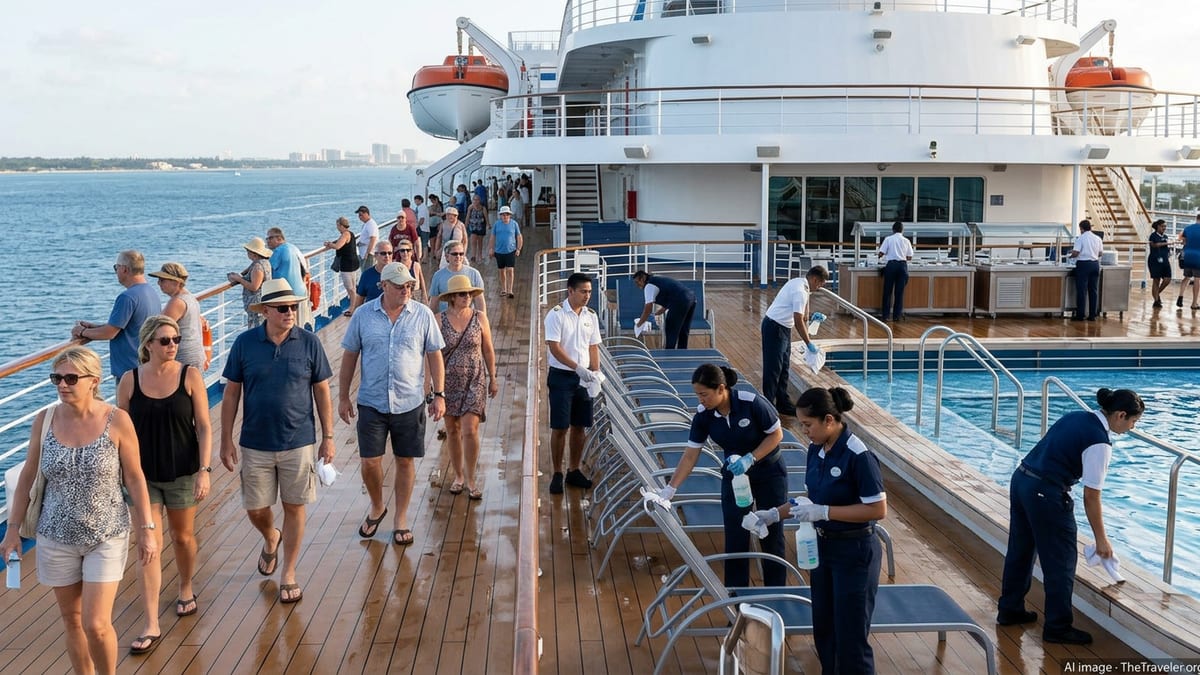
New Cluster Follows Earlier Voyage Outbreaks
Publicly available summaries from the Centers for Disease Control and Prevention’s Vessel Sanitation Program show that the latest outbreak occurred on a recent Inside Passage sailing of a small expedition ship carrying several dozen passengers and a few dozen crew. The cluster involved a double-digit number of people reporting gastrointestinal symptoms consistent with norovirus, including vomiting and diarrhea, during the voyage.
The same vessel had already appeared three times this year on the CDC’s public list of cruise outbreaks that meet its reporting threshold, according to industry coverage. Earlier sailings in late spring and early summer from Alaska ports saw smaller but similar patterns of illness, with a handful of passengers and crew affected on each trip.
The new cases were logged after the ship completed another voyage along the Alaska coast, indicating that earlier mitigation measures were not sufficient to prevent recurrence. While most affected travelers reportedly recovered without serious complications, the repetition on a single ship has drawn attention from health officials, cruise analysts, and prospective passengers.
Understanding CDC Outbreak Thresholds
The CDC’s Vessel Sanitation Program maintains a public list of gastrointestinal illness incidents on cruise ships sailing from U.S. ports when reports from onboard medical teams meet a specific threshold. Current guidance indicates that when 3 percent or more of passengers or crew report compatible symptoms during a voyage, the situation is flagged and detailed information is posted.
For this Alaska vessel, at least four separate sailings have now crossed that threshold within the same operating season. Each report includes basic figures on the number of passengers and crew on board, how many became ill, and the time frame of symptom onset. The agency also notes generalized control steps such as increased cleaning and communication with the cruise operator.
These public postings do not identify individual travelers or give detailed medical histories, but they do function as a barometer of how frequently ships experience illness clusters. Multiple postings involving the same ship in a short span are uncommon compared with the broader fleet, which typically sees sporadic incidents spread across many vessels each year.
Possible Drivers of Repeat Gastrointestinal Illness
Norovirus and similar gastrointestinal pathogens are a well-known challenge in cruise environments, where close quarters, shared dining spaces, and frequent hand contact with railings and buffet utensils can accelerate spread. Even small ships with fewer than 100 people on board can be vulnerable if one or two infected travelers inadvertently introduce the virus.
Specialists who study cruise sanitation note that repeat outbreaks on the same vessel can arise from multiple factors. These may include incomplete environmental cleaning after an initial outbreak, new sick passengers boarding for subsequent voyages, or crew who remain mildly symptomatic but continue working in food service or housekeeping roles.
In the Alaska case, publicly available information suggests that the ship implemented additional disinfection and hygiene messaging after each event. However, the recurrence across four voyages demonstrates how difficult it can be to fully interrupt transmission once a hardy virus has entered a closed environment with frequent turnaround sailings.
Impact on Travelers and the Alaska Cruise Season
The series of reports involving the same expedition ship comes during a period of heightened attention on illness at sea. Other vessels in U.S. waters have logged norovirus and E. coli outbreaks this year, and online forums show travelers trading stories of disrupted vacations and last-minute itinerary changes linked to gastrointestinal clusters.
For Alaska in particular, the small-ship expedition segment is marketed as a more intimate alternative to large ocean liners, often focusing on wildlife viewing and remote coves. Repeat illness reports on one of these vessels risk denting that image, even if the overall number of affected guests remains relatively low compared with the state’s wider cruise traffic.
Travel planners note that some guests are asking more questions about sanitation protocols, medical facilities on board, and refund policies if they are confined to cabins. Operators, in turn, emphasize pre-boarding screening, strict exclusion of symptomatic guests from group activities, and rapid isolation when new cases are detected mid-voyage.
What Prospective Cruise Guests Can Do
Health authorities and travel medicine experts consistently recommend basic hygiene measures to reduce gastrointestinal risk on cruises. Frequent handwashing with soap and water before meals and after using restrooms, avoiding shared finger foods, and promptly reporting any symptoms to the ship’s medical center remain the core personal protections.
Prospective passengers can also review publicly posted Vessel Sanitation Program outbreak summaries and inspection records to understand a ship’s recent history. Patterns of repeat reports, as seen on the Alaska expedition vessel, may prompt some travelers to consider alternative departure dates or different ships within the same region.
Travel insurance that covers medical care, trip interruption, and quarantine-related expenses can provide added security in the event of illness at sea. While the absolute risk of serious complications from cruise-related gastrointestinal outbreaks remains relatively low, this year’s fourth report on the same ship illustrates how travelers may still experience significant disruption when an outbreak unfolds mid-cruise.