


More news on this day
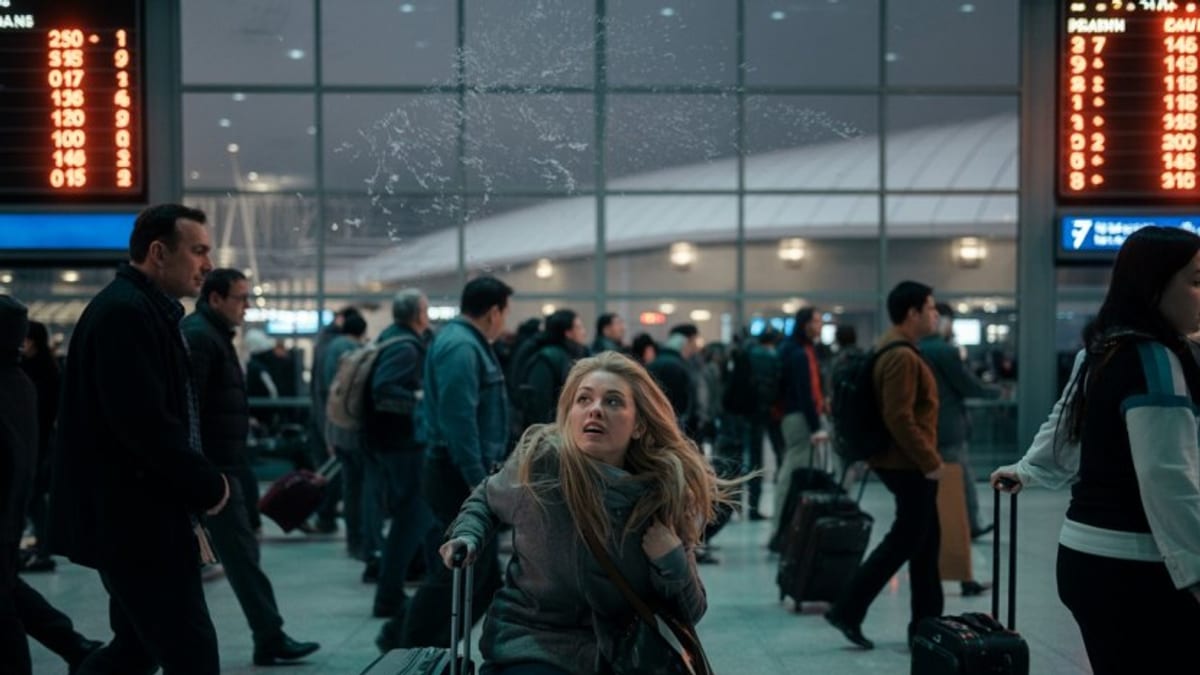
Flight operations at Baltimore/Washington International Thurgood Marshall Airport came under renewed strain on May 24 as tracking data showed dozens of delays and several cancellations affecting major carriers, complicating travel plans for passengers across the United States at the outset of the busy Memorial Day period.
Get the latest news straight to your inbox!
New Wave of Disruptions at a Key Mid‑Atlantic Hub
Publicly available aviation tracking platforms indicate that Baltimore/Washington International (BWI) entered Sunday with 47 delayed flights and at least three cancellations tied to carriers including Southwest Airlines, United Airlines and American Airlines. The figures capture both departures and arrivals, underscoring how quickly local issues at a single hub can reverberate through a national network at the start of a peak travel weekend.
Southwest, which operates its largest East Coast base at BWI, appears to be absorbing a significant share of schedule pressure as early morning and mid‑day departures to domestic leisure markets push back from their planned times. United and American, which connect BWI travelers into their respective hubs and onward to the wider US and international systems, are also showing rolling delays on select routes as the day’s operations unfold.
Airport monitoring dashboards highlight BWI’s role as one of the busiest gateways in the Mid‑Atlantic, serving both the Baltimore region and parts of the Washington metropolitan area. Even a relatively modest cluster of delayed flights can therefore translate into hundreds or thousands of passengers facing longer lines, missed connections and last‑minute rebooking across multiple carriers.
The latest disruption follows a broader pattern of strain across the US aviation system this spring, as high seasonal demand intersects with pockets of volatile weather and ongoing staffing and capacity constraints in parts of the air traffic network.
Weather, Airspace Programs and Systemwide Knock‑On Effects
Federal aviation system status pages on Sunday pointed to intermittent ground delay and flow‑management programs at several East Coast airports in recent days as controllers balance storm activity, congestion and runway configurations. While BWI itself has not faced a full ground stop on May 24, reduced arrival or departure rates at New York, Boston and Washington‑area airports earlier in the week have cascaded through airline schedules.
Aviation operations analyses published over the weekend describe a US system contending with thousands of delays nationwide, with mid‑Atlantic and Northeast hubs among those bearing the brunt of rolling thunderstorms and volume. In this context, the 47 delays at BWI represent part of a much wider patchwork of disruptions that are complicating point‑to‑point trips and, more critically, same‑day connections.
For airlines, these conditions create a difficult operational trade‑off. Recent industry coverage notes that carriers increasingly opt to hold departures for extended periods rather than cancel outright, in an effort to preserve schedules on paper and avoid full flight removals. For travelers, however, that strategy can mean hours spent at the gate with little certainty about onward connections, especially when delays at one hub ripple into missed banks at another.
Memorial Day is traditionally one of the heaviest US travel periods of the year, and capacity projections for 2026 show schedules approaching or exceeding pre‑pandemic levels on many domestic leisure routes. In such an environment, even localized disruptions at BWI can quickly limit alternative options as seats on later flights fill up.
Southwest, United and American Under Operational Pressure
Southwest’s concentration of aircraft and crews at BWI magnifies the impact of any disruptions at the airport. When early flights depart late, aircraft and crews may arrive out of position for subsequent legs, increasing the risk of knock‑on delays to cities across the country. Industry briefings circulated this month point to Southwest recording elevated same‑day delays on several occasions as it works to balance high utilization with weather and traffic constraints.
United and American, while not as dominant at BWI as Southwest, rely on the airport as a feeder point into major hubs such as Denver, Chicago, Dallas and Charlotte. Publicly available schedules show that delays on Baltimore departures can then spread into already crowded afternoon and evening banks at those hubs, especially when thunderstorms or air traffic restrictions compress available departure windows.
Historic performance data from the US Department of Transportation highlight how weather, national aviation system constraints and carrier‑controlled factors such as maintenance and crew availability all play a role in delay statistics. In practice, operational days like May 24 often involve a combination of all three, with storms triggering initial slowdowns and tight schedules leaving little margin for recovery.
For travelers, the carrier mix at BWI can shape the available options. Southwest’s focus on point‑to‑point service can help some passengers bypass congested hubs, but the lack of interline agreements limits rebooking onto other airlines. United and American, by contrast, offer more traditional hub‑and‑spoke connectivity but can expose travelers to compound delays when multiple airports along a route come under constraint.
Connections, Leisure Routes and International Links at Risk
The timing of Sunday’s disruptions is particularly challenging for passengers heading to or from popular leisure destinations. Tracking data reviewed for May 24 show affected flights touching key domestic markets as well as holiday routes to Jamaica and Mexico, where BWI has become an important departure point for mid‑Atlantic travelers seeking beach and resort stays.
Delayed departures from BWI can cause travelers to misconnect with onward flights at intermediate hubs or to arrive too late for ground transfers and cruise departures at coastal cities. For international itineraries, missed same‑day connections can mean an unplanned overnight stay, especially when later flights are fully booked at the start of a holiday period.
Frequent‑flier forums and traveler reports in recent months have highlighted a growing sensitivity to tight connection windows at BWI and other mid‑Atlantic airports. Several carriers and aviation consultancies now recommend longer buffers between flights, particularly when itineraries involve a mix of regional jets and larger mainline aircraft that may face differing weather or equipment constraints.
As BWI continues to expand its network of international and transcontinental routes, disruptions of the sort seen on May 24 underline the importance of resilient schedules and flexible rebooking tools. Travelers connecting from short‑haul flights onto long‑haul services are among the most exposed to cascading delays.
What Travelers Can Expect as the Holiday Weekend Unfolds
With Memorial Day still ahead, aviation analysts caution that Sunday’s figures at BWI may not be the peak of disruption. Forecasts for continued unsettled weather in parts of the eastern United States, combined with record passenger volumes, increase the likelihood of additional ground delay programs and rolling schedule adjustments across multiple hubs.
Public guidance from consumer advocates and transportation agencies consistently stresses the value of monitoring flight status through both airline channels and independent tracking tools, particularly on high‑demand days. Early awareness of a delay or cancellation can give travelers a better chance of securing scarce seats on alternative flights or adjusting ground transport and accommodation plans.
Airline performance data from recent storm events show that carriers often introduce flexible travel waivers when disruptions exceed certain thresholds, allowing passengers to change flights without standard fees. In the current environment, travelers using BWI are watching closely for any such policy updates from Southwest, United and American as the holiday weekend progresses.
For now, the situation at Baltimore/Washington International illustrates how quickly a mix of weather, airspace constraints and tight schedules can trigger widespread travel headaches. As the day’s 47 delays and multiple cancellations ripple outward through national networks, passengers across the country are once again reminded of the fragility of the US aviation system at its busiest moments.