


More news on this day
Travel across Canada faced significant disruption on April 12 as major airports in Calgary, Montreal, Halifax, Toronto, Vancouver and other cities recorded 29 flight cancellations and 311 delays, affecting services on Air Canada, WestJet, Porter Airlines, Air Transat and additional carriers.
Get the latest news straight to your inbox!
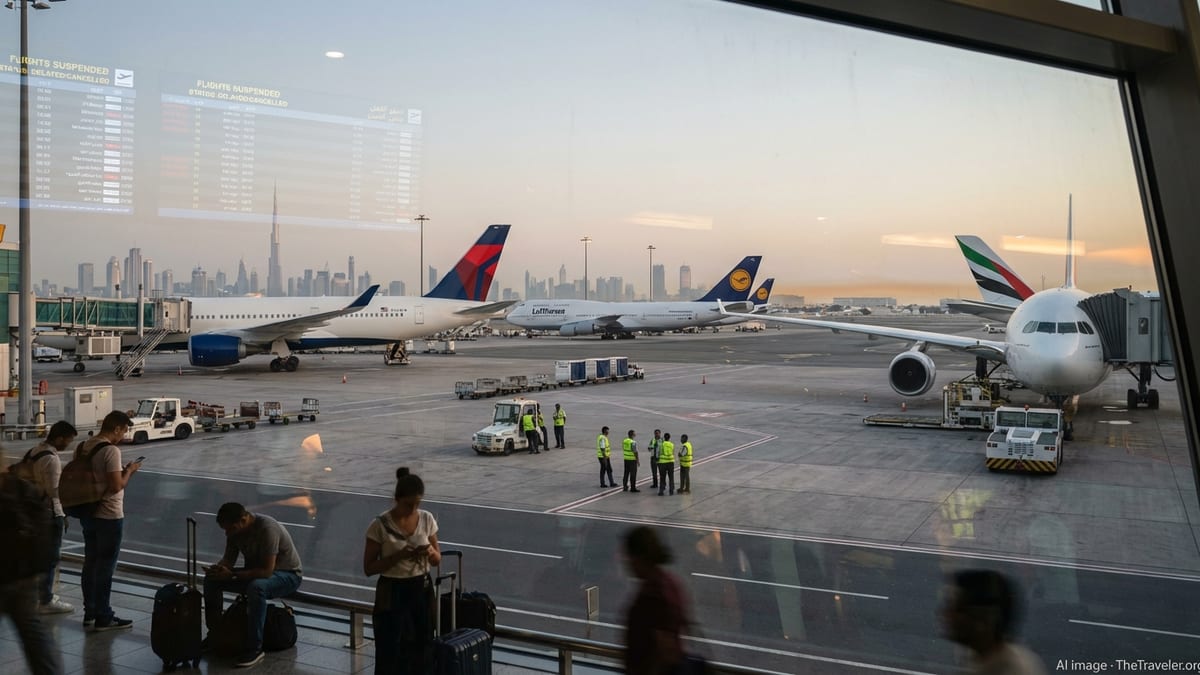
Major Canadian Hubs Struggle With Widespread Disruptions
Publicly available flight tracking data for April 12 indicates that Toronto Pearson, Montreal–Trudeau, Vancouver International, Calgary International and Halifax Stanfield were among the hardest‑hit airports as delays and cancellations rippled through Canada’s aviation network.
Reports summarizing national activity show that Toronto Pearson recorded the largest number of affected services, with more than 130 delays and several cancellations. Montreal–Trudeau and Vancouver International followed, each reporting dozens of delayed departures and arrivals along with multiple scrubbed flights. Calgary and Halifax, while smaller by volume, still experienced a noticeable spike in schedule changes.
Travel and aviation coverage describes the April 12 disruption as part of a broader pattern of irregular operations in 2026, with Canadian hubs repeatedly appearing near the top of global delay and cancellation tables. The latest figures add to a growing sense among travelers that air journeys within and from Canada remain vulnerable to sudden operational shocks.
Regional airports such as St. John’s and other Atlantic and Prairie gateways also reported scattered cancellations and delays, suggesting that the impact was not confined to the country’s largest metropolitan centers.
Air Canada, WestJet, Porter And Air Transat Among Most Affected
Published tallies for April 12 list Air Canada, WestJet, Porter Airlines and Air Transat among the carriers most affected by the 29 cancellations and 311 delays recorded across Canada. The distribution of disruptions reflects each airline’s network concentration at the country’s main hubs.
Air Canada, as the largest operator at Toronto Pearson, Montreal–Trudeau and Vancouver International, accounted for a substantial share of delayed flights and a significant number of outright cancellations. Recent coverage of the carrier’s performance in 2026 highlights recurring challenges related to weather systems, tight aircraft rotations and high demand periods, all of which can quickly cascade into network‑wide delays.
WestJet, which has a strong presence in Calgary and significant operations in Toronto and Vancouver, also saw multiple delayed and cancelled services. Porter Airlines, expanding from its traditional eastern Canada core into Western routes, and leisure‑focused Air Transat likewise appeared in disruption summaries for April 12.
Smaller and regional operators, including PAL Airlines and other niche carriers, were also affected but on a more limited scale. Their operations are often intertwined with those of the major airlines through shared airports and connecting traffic, leaving them exposed when congestion builds at key hubs.
Operational Strain, Weather And Knock‑On Effects Drive Delays
While no single cause was identified as solely responsible for the April 12 disruptions, analysis of aviation data and recent industry reporting points to a combination of operational strain, weather variability and knock‑on effects from earlier delays.
Canadian hubs are particularly sensitive to fast‑changing weather patterns, especially during late winter and early spring. Snow, low visibility and strong winds can trigger ground holds, runway capacity reductions and extended de‑icing times. Even when conditions improve, residual congestion can persist for much of the day, forcing airlines to reschedule or cancel flights to restore balance.
Operational complexity is another factor. Airlines running dense schedules through Toronto, Montreal and Vancouver often have aircraft and crew tightly sequenced across multiple legs. When an early‑morning departure is delayed, subsequent flights on that aircraft may depart late or be cancelled, contributing to the kind of national totals seen on April 12.
Industry observers also point to constrained staffing and high passenger demand as underlying pressures. With terminals and air traffic systems operating near capacity during peak periods, even minor disruptions can quickly escalate into hundreds of delayed flights across the network.
Passengers Face Missed Connections And Overnight Changes
The ripple effects of 29 cancellations and more than 300 delays are felt most acutely by passengers coping with missed connections, rebooked itineraries and extended waits in terminal buildings. Long lines at customer service desks and crowded departure halls have become familiar scenes during recent disruption waves in Canada.
Travel forums and social media posts from this year describe travelers dealing with same‑day cancellations, last‑minute schedule changes and multi‑day rebookings, particularly on routes connecting through Toronto, Calgary and Vancouver. Some accounts highlight concerns about communication, with passengers reporting limited information about revised departure times or alternative routing options.
Families and international travelers are especially exposed when onward flights are involved. A delayed domestic leg into a hub can cause missed long‑haul departures to Europe, Asia or the United States, often resulting in unexpected overnight stays and additional expenses.
For many passengers, the April 12 disruption is one more example of the need to factor potential irregular operations into trip planning, especially during periods when Canadian weather and global aviation demand are both highly dynamic.
Know Your Rights Under Canadian Air Passenger Rules
Consumer advocates frequently emphasize that travelers affected by disruptions such as the April 12 cancellations and delays should familiarize themselves with Canada’s Air Passenger Protection Regulations. These rules establish minimum standards for communication, care and, in some cases, compensation when flights are cancelled or significantly delayed.
The level of support and potential financial compensation depends on several elements, including the size of the airline, the length of the delay at arrival and whether the cause is considered within the carrier’s control, within its control but required for safety, or outside its control. Weather‑driven disruptions and certain air traffic control issues may be treated differently from crew or maintenance‑related problems.
Guidance from consumer organizations generally advises affected travelers to keep documentation such as boarding passes, booking confirmations and receipts for meals or accommodation incurred during a disruption. These records can be important when submitting claims to airlines or travel insurance providers.
As Canadian airports continue to report elevated levels of delays and cancellations in 2026, awareness of passenger rights and proactive trip planning remain key tools for travelers attempting to navigate an increasingly unpredictable air travel landscape.