


More news on this day
Portugal has emerged as the fourth European country with the highest rate of flight delays, as new performance data highlight mounting punctuality problems at the country’s busiest airports and a growing impact on travelers.
Get the latest news straight to your inbox!
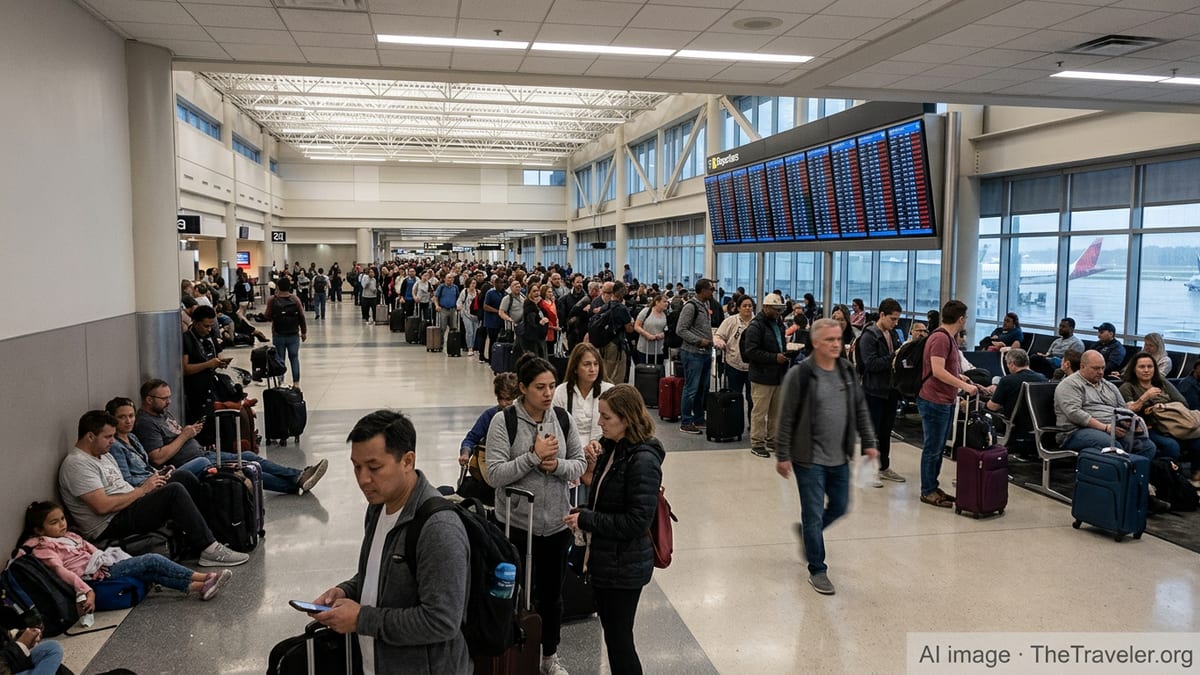
New Rankings Put Portugal Near the Top for Disruption
Recent analysis of European air transport performance indicates that Portugal now ranks fourth among European countries with the most delayed flights, placing it near the top of the continent’s disruption table. The position reflects a pattern of persistent delays and cancellations affecting both domestic and international routes serving the country.
Reports from aviation data providers and passenger-rights platforms show that a significant share of flights to and from Portugal arrive or depart behind schedule, with disruption rates well above the European average. While some states with higher traffic volumes also face chronic bottlenecks, Portugal’s place in the rankings is notable given its more limited size and network compared with the region’s largest hubs.
Industry monitoring suggests that the current standing continues a multi‑year trend in which Portugal has struggled to improve punctuality despite a strong rebound in tourism and air traffic. Previous annual assessments had already placed the country among Europe’s worst performers, and the latest figures confirm that delays remain entrenched.
For travelers, the ranking translates into longer waits at gates, missed connections and increased uncertainty around departure and arrival times, particularly during peak holiday periods when Portuguese airports handle their heaviest loads.
Lisbon and Porto Airports Under Growing Pressure
Lisbon’s Humberto Delgado Airport, Portugal’s main international gateway, is identified in several recent analyses as one of the most delay‑prone airports in Europe. Publicly available statistics point to an elevated rate of long delays, with average waiting times for significantly disrupted flights measured in well over an hour.
Porto’s Francisco Sá Carneiro Airport, the country’s second‑busiest hub, is also showing signs of strain. Reports indicate that the share of flights facing serious delays has increased, while the average waiting time for affected passengers in Porto is now among the highest recorded in the country. Cancellations have also risen, with data suggesting that the number of axed flights has more than tripled year‑on‑year out of tens of thousands of operations.
These pressures are amplified by strong demand. Portugal has experienced a robust recovery in tourism and outbound travel, with year‑round city‑break traffic layered on top of intense summer holiday peaks. As passenger numbers climb, limited terminal and airfield capacity in Lisbon and Porto makes it harder to absorb disruptions caused elsewhere in the network.
With both airports operating close to their practical limits during busy periods, relatively small operational issues can escalate into knock‑on delays, affecting later rotations and late‑evening departures. This dynamic contributes to the higher levels of disruption that underpin Portugal’s current place in the European rankings.
Airline Reliability and Structural Challenges
Airline performance plays a central role in Portugal’s delay profile. Recent league tables of European carriers identify TAP Air Portugal among the least punctual major airlines operating in the region, with roughly one in three flights affected by delays beyond 15 minutes over the most recent full year of data. Low‑cost carriers serving Portugal, including large pan‑European brands, also contribute to the disruption picture when operating dense schedules with limited turnaround buffers.
The wider European context adds further complexity. Network reports from regional air traffic bodies highlight continued congestion in some key airspace sectors, periodic air traffic control staffing constraints and weather‑related flow restrictions. When such issues arise over busy parts of the continent, departures and arrivals involving Portugal can be held on the ground or rerouted, triggering additional delays.
Locally, airside capacity constraints, runway limitations and terminal crowding in Lisbon and Porto continue to be cited in published analyses as structural challenges. Efforts to unlock new capacity, including long‑discussed airport expansion projects around the capital, have moved slowly, leaving operators to rely on operational tweaks rather than major infrastructure upgrades.
As a result, even as some airline‑related causes of delay have eased elsewhere in Europe, Portugal remains exposed to a combination of stretched infrastructure, tight schedules and external shocks that together push it toward the top of the European delay tables.
Impact on Passengers and Their Rights
The human impact of Portugal’s delay ranking is visible at airport departure halls and baggage reclaim areas, particularly during school holidays and summer weekends. Passenger‑rights organizations report that more than one‑third of travelers departing from Portuguese airports in recent peak seasons have experienced some form of disruption, including long delays or outright cancellations.
Under European Union rules, including Regulation 261/2004, travelers facing cancellations or significant delays on flights departing from Portugal, or on EU carriers arriving in the country, may in many cases be entitled to assistance, rerouting, refunds or financial compensation. The level of compensation depends on distance and delay length, with payments potentially reaching several hundred euros per person on longer routes.
Publicly available research, however, suggests that only a small fraction of eligible passengers in Portugal actually lodge claims, leaving substantial sums unclaimed each year. Lack of awareness of rights, uncertainty about eligibility and the perceived complexity of the process are frequently cited as reasons for low claim rates.
Consumer advocates and specialist claim firms argue that Portugal’s combination of high disruption rates and relatively low take‑up of compensation makes the country one of Europe’s most striking examples of a gap between legal protections on paper and benefits realized by travelers in practice.
Prospects for Improvement Ahead of Future Peak Seasons
Looking ahead, analysts note that Portugal’s ability to climb down the European delay rankings will likely depend on a mix of infrastructure decisions, operational reforms and broader network conditions. Any progress on long‑planned capacity projects in the Lisbon area could ease congestion over the medium to long term, although such developments typically take years to materialize.
In the short term, airlines and airports serving Portugal are expected to continue focusing on schedule resilience, staffing levels and ground‑handling efficiency in an effort to reduce reactionary delays. Adjustments to peak‑hour slot allocations, investments in digital tools and closer coordination across the air transport chain are among the measures identified in industry discussions as potential levers for improvement.
At the European level, ongoing efforts to optimize air traffic management, respond to staffing shortages and adapt to more frequent extreme weather events will also shape Portugal’s performance, since many delays affecting the country originate outside its borders before rippling through airline networks.
For travelers planning trips to or from Portugal during upcoming peak seasons, the latest rankings are likely to reinforce the value of flexible itineraries, longer connection windows and close monitoring of flight status, as the country works to shake off its position near the top of Europe’s delay charts.