


More news on this day
Canada’s busiest airports experienced a new wave of disruption today as at least 25 flights were cancelled and more than 150 delayed, complicating travel plans for passengers on Air Canada, Jazz, Air Inuit, WestJet, Air Transat and other carriers across the country.
Get the latest news straight to your inbox!
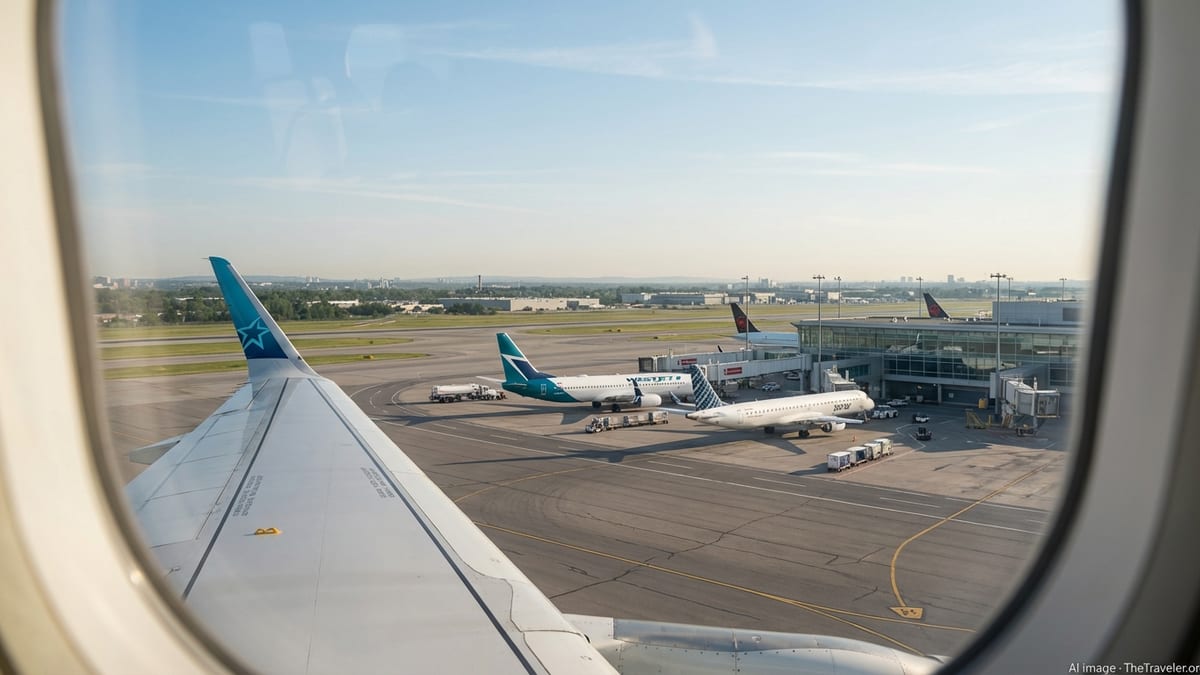
Disruptions Concentrated at Major Canadian Hubs
Public flight-status boards for May 12 show cancellations and delays clustering at Canada’s largest hubs, including Montreal, Toronto, Vancouver, Calgary and Edmonton. The pattern reflects pressure on already busy schedules at these airports, with ripple effects spreading to smaller regional facilities.
Data from widely used tracking platforms indicates that the day’s tally reached at least 25 outright cancellations and 151 delays across Canadian departures and arrivals, a figure that may grow as the operational day progresses. The impact is most visible at Toronto Pearson and Montreal Trudeau, where dense networks of domestic and cross-border routes amplify knock-on effects when even a small share of flights run late.
Airports in Vancouver, Calgary and Edmonton also recorded notable clusters of delayed services, particularly during morning and early afternoon peaks. Passengers connecting through these hubs reported extended waits, missed onward flights and last-minute gate changes, underscoring how even limited schedule disruption can cascade through an interconnected national network.
While the overall number of affected flights represents a fraction of daily operations, the timing and concentration at key hubs meant that thousands of travelers faced altered itineraries or extended travel days.
Multiple Carriers Affected as Operational Pressures Build
The disruptions cut across several Canadian airlines, touching full-service, regional and leisure-focused operators alike. Publicly available schedules and status feeds show Air Canada and its regional affiliate Jazz among the hardest hit in terms of the number of impacted services, reflecting their extensive networks through Montreal and Toronto.
WestJet, which maintains major operations in Calgary, Edmonton and Vancouver, also saw a series of delayed flights and a smaller number of cancellations. Air Transat, focused more heavily on leisure and transatlantic routes, and Air Inuit, which links northern communities to southern hubs, registered scattered schedule changes that added further complexity for travelers attempting tight connections.
Published coverage of the wider aviation sector in May points to a challenging operating backdrop for these airlines, including elevated jet fuel prices, ongoing schedule adjustments and heightened sensitivity to crew and aircraft availability. In that context, relatively modest weather or technical issues can translate more quickly into cancellations or extended delays when networks are already finely balanced.
For passengers, the fact that multiple carriers were involved reduced the options for same-day rebooking, particularly on busy trunk routes where alternate departures were already close to capacity. Travel forums and social posts from affected airports described long lines at service counters and crowded departure areas as travelers waited out rolling delays.
Weather, Congestion and Wider Industry Strains
Early assessments suggest that no single cause fully explains the day’s pattern of disruption. Instead, reports point to a mix of localized weather constraints, airspace congestion and lingering industry-wide strains linked to higher operating costs and tight fleet utilization.
On some routes, especially in and out of western Canada, modest deterioration in conditions contributed to spacing requirements and minor flow restrictions, which can quickly back up operations during peak periods. In other cases, aircraft and crew rotations appear to have been affected by late-arriving inbound flights, leaving little slack to absorb additional delays.
The disruptions in Canada also unfolded against a broader backdrop of global aviation stress. International coverage on May 12 highlights widespread schedule cuts tied to a jet fuel supply squeeze, with carriers in multiple regions trimming capacity or cancelling flights outright as costs rise and supply chains tighten. Although the Canadian disruptions tracked today appear more limited in scale, the same themes of higher fuel prices and careful route planning are visible in recent schedule changes filed by major Canadian airlines.
Industry analysts note that when networks are running close to their limits, even routine operational challenges can trigger clusters of cancellations and delays. Today’s events at Canadian hubs fit that pattern, with relatively contained issues magnified by tight turn times and heavy demand for seats.
Passenger Impact and Rights Under Canadian Rules
For travelers caught up in today’s disruptions, the practical impact ranged from minor inconvenience to multi-day itinerary changes. Some passengers reported arriving only slightly behind schedule after short tarmac or gate holds, while others faced missed connections, overnight stays or rebookings via alternate cities.
Canada’s air passenger protection regulations set out compensation and assistance rules when flights are delayed or cancelled, though the level of support depends on the cause of the disruption and the size of the airline. Public guidance stresses that carriers face higher obligations if the issue is within their control, such as certain crew or scheduling problems, and more limited duties when delays stem from weather or air traffic constraints.
Consumer advocates regularly encourage passengers to document the reason for any delay or cancellation as displayed in airline communications, boarding passes or online status tools. That information can be critical when seeking reimbursements for extra expenses or when filing formal complaints if they believe they were denied assistance to which they were entitled.
Given the mix of factors likely behind today’s flight changes, outcomes for affected passengers may vary substantially from case to case. Travelers may need to follow up with their airline after travel is complete to clarify eligibility for refunds, meal vouchers, hotel coverage or compensation payments.
What Travelers Can Do As Disruptions Continue
With schedules still under pressure and industry observers warning that fuel costs and capacity constraints could keep volatility elevated through the coming months, travel planners are facing a more unpredictable environment than before the pandemic. Today’s disruptions across Canadian hubs serve as a reminder that even routine trips can be affected at short notice.
Passenger advocates often recommend that travelers monitor their flight status closely in the 24 hours before departure, use airline apps where possible to receive real-time notifications, and allow extra time for connections, especially when traveling through large hubs such as Toronto, Montreal or Vancouver. Selecting earlier flights in the day, when feasible, can also leave more room to recover if an initial departure is delayed.
Those with critical time-sensitive commitments, such as international cruises, major events or long-haul connections, may wish to consider building in buffer days or purchasing travel insurance that explicitly covers delays and cancellations. Reading policy details carefully is important, since coverage and claim processes differ widely between providers.
As today’s pattern of 25 cancellations and 151 delays demonstrates, even a relatively modest share of affected flights can disrupt plans for thousands of people when concentrated at the country’s most important hubs. With external pressures on aviation unlikely to ease immediately, Canadian travelers are being advised by public sources to approach upcoming trips with flexibility, contingency plans and realistic expectations about the possibility of change.