


More news on this day
Canada has renewed its stark warning to citizens against travel to Afghanistan, keeping the country under the highest "avoid all travel" risk classification as security, human rights and humanitarian conditions remain deeply unstable under Taliban control.
Get the latest news straight to your inbox!
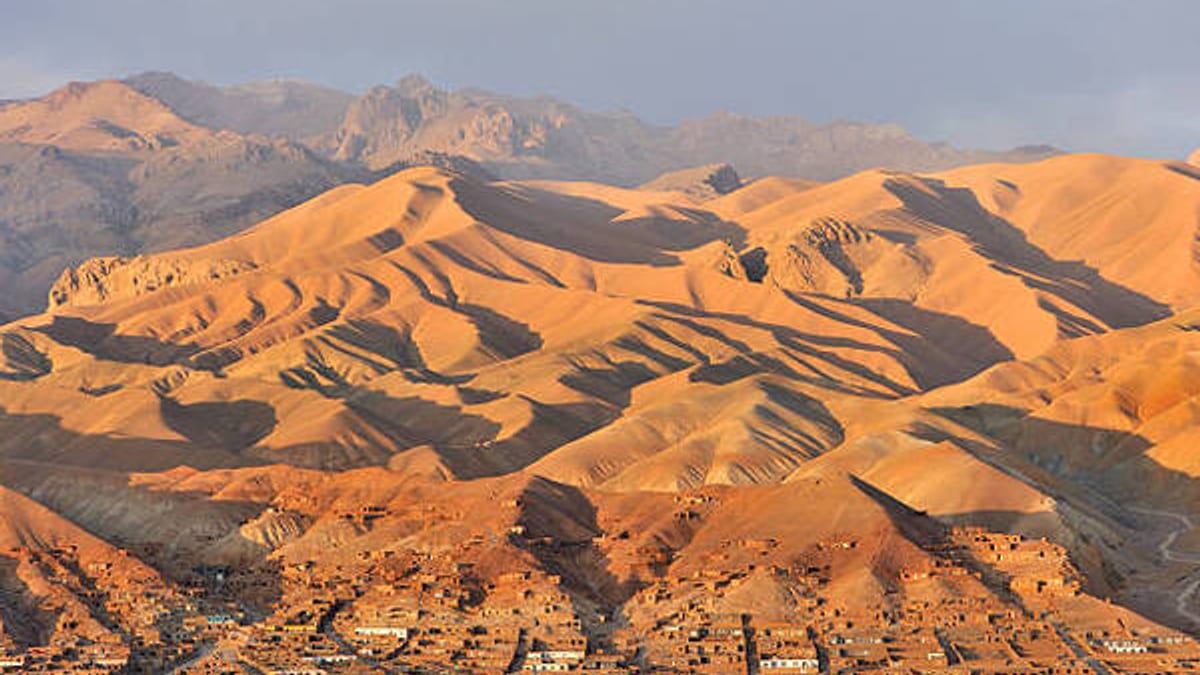
Afghanistan Remains at Canada’s Highest Risk Level
Afghanistan continues to be listed at the most severe advisory level on Canada’s official Travel Advice and Advisories portal, which urges citizens to avoid all travel to the country. The current notice cites a highly volatile security environment, frequent terrorist attacks, ongoing armed conflict, widespread human rights violations and a sustained risk of kidnapping, arbitrary arrest and detention, and violent crime as core reasons for the classification.
Travel.gc.ca, the Government of Canada’s central travel-advisory platform, shows Afghanistan under the “Avoid all travel” category with the latest update time-stamped July 29, 2026. The advisory underscores that travel anywhere in Afghanistan is considered extremely dangerous, including in Kabul, and emphasizes that Canadians who are still in the country should consider leaving if they can do so safely.
French-language guidance on Canada’s companion portal repeats the same warning, again instructing travellers to avoid any trip to Afghanistan due to security instability, terrorist threats and extensive abuses attributed to the de facto authorities. The harmonized English and French advisories highlight that the warning is national in scope and not limited to any particular city or region.
The Afghanistan page is part of a wider system that ranks destinations by four risk tiers, with the “Avoid all travel” designation reserved for places where personal safety is considered to be at serious and persistent risk. Afghanistan has sat at this highest level for years, with the reasons gradually expanding from armed conflict and terrorism to include systemic rights violations and increasingly constrained civil liberties.
Security, Human Rights and Humanitarian Concerns Drive the Warning
Publicly available information from Canadian government sources indicates that Afghanistan’s security landscape remains fluid and unpredictable, shaped by the Taliban’s control of the country and the presence of various armed groups. Advisories point to a continued risk of bombings, targeted attacks and clashes that may occur with little or no warning, as well as incidents directed at foreigners and individuals associated with Western countries.
Global Affairs Canada’s country overview highlights what it describes as “widespread violations of human rights by the de facto authorities,” including restrictions on women and girls that affect education, movement and participation in public life. A recent media advisory from mid-August 2026, marking five years since the fall of Kabul, describes a deteriorating human rights situation and notes an increasingly repressive environment for women, journalists and civil society actors.
The official travel advice also warns of logistical and communications vulnerabilities that could quickly compound the dangers for any Canadians present. Guidance notes that nationwide disruptions to internet and telecommunications are possible, which could significantly hinder efforts to contact emergency services, reach family or obtain consular assistance. These potential outages are flagged as a key reason why conditions can worsen suddenly and why travel is strongly discouraged.
Beyond conflict and repression, the advisory references broader instability, from a high baseline crime rate to the possibility of arbitrary detention. The concentration of multiple risks in a single destination is presented as a central justification for maintaining the strictest advisory level, even in the absence of a single headline incident triggering the latest update.
Consular Support Severely Limited After Embassy Suspension
Canada’s warning is reinforced by the fact that the Embassy of Canada in Afghanistan has suspended its operations, leaving only remote channels for consular services. The Afghanistan travel page stresses that the government’s ability to assist citizens in the country is “extremely limited,” and notes that Canadian officials may not be informed even when assistance is requested through local channels.
Canadians who remain in Afghanistan are directed to contact the 24/7 Emergency Watch and Response Centre in Ottawa for urgent consular help. Details published on federal sites list phone, email and SMS contacts, and encourage citizens to enroll in the online Registration of Canadians Abroad system. This registration is framed as an important way for travellers and residents to receive updates and for authorities to locate them in a crisis.
Complementary guidance on the Government of Canada’s Afghanistan country page reiterates that the temporary suspension of the embassy has not been lifted and that in-person services in Kabul are not available. The page steers readers back to the central travel advisory as the authoritative source for safety, security and entry information.
Taken together, these notices signal that any Canadian presence in Afghanistan would likely face substantial obstacles in accessing emergency assistance, travel documentation or evacuation support. For travellers accustomed to the availability of consular help in many destinations, the absence of an operational embassy is presented as a significant additional risk factor.
Implications for Travellers, Air Routes and Insurance
Canada’s highest-level advisory has ripple effects beyond the basic decision of whether to travel. Public documents from Canadian insurers and policy providers show that an official government warning to “avoid all travel” can directly affect coverage, particularly for emergency medical expenses and trip interruption or cancellation. Many policies incorporate language that limits or excludes benefits for trips to destinations under such advisories, or only extend coverage for a short grace period if the advisory is issued after a traveller has already arrived.
Several Canadian travel insurance documents explicitly reference the Government of Canada’s advisory system as the benchmark for determining whether a destination is considered too risky. These policies treat the “avoid all travel” category as an objective trigger that either restricts coverage or allows travellers to claim for trip cancellation before departure. As long as Afghanistan remains at this level, would-be visitors may find that traditional travel insurance options are unavailable or heavily constrained.
The advisory also has implications for air connectivity. While commercial air links to Afghanistan have been highly limited since 2021, the continued warning signals that Ottawa does not view current aviation conditions as compatible with normal tourist or business travel. Other countries, including the United States, maintain similarly strict advisories, contributing to a fragmented and unpredictable flight environment in and out of Afghan airspace.
For Canadians weighing travel to the region for urgent family, humanitarian or professional reasons, official guidance stresses that any such journey would be undertaken at significant personal risk. The combination of reduced consular capacity, potential communication blackouts, ongoing conflict and constrained insurance coverage creates a layered risk profile that is far removed from typical international travel scenarios.
Part of a Broader Canadian Stance on Afghanistan
The reinforced travel warning is aligned with Canada’s broader diplomatic and policy posture toward Afghanistan since the Taliban takeover. Government web pages describing Canada’s relationship with Afghanistan highlight an ongoing humanitarian response, support for vulnerable Afghans seeking resettlement and continued criticism of rights abuses under the current rulers.
Canada’s Afghanistan country profile notes that the embassy’s suspension remains in effect and that relations are managed largely from outside the country. This approach mirrors that of many Western governments that closed their missions in Kabul and shifted to remote engagement, while maintaining sanctions and restrictions aimed at the Taliban leadership.
At the same time, federal sites emphasize continued support for the Afghan population through humanitarian funding and resettlement programs for refugees and at-risk groups. Travel advisories and assistance pages link out to information on immigration pathways, emergency contacts and Canada’s humanitarian commitments, presenting the warning against travel as compatible with a longer-term engagement focused on protection and relief rather than tourism or routine business ties.
With Afghanistan still categorized at the highest risk level as of late July 2026, there is no indication in public Canadian guidance that this stance will change in the near term. The sustained “avoid all travel” label underscores that, for now, official advice to Canadians remains clear: Afghanistan is not considered a viable or safe destination for discretionary travel.
Government of Canada: Travel advice and advisories for Afghanistan
Global Affairs Canada: Canada and Afghanistan country overview