


More news on this day
Travelers at Montreal-Trudeau International Airport faced mounting frustration on Sunday as 24 flights operated by Jazz, Air Canada, and Porter Airlines were suspended and a series of additional delays rippled across key routes linking Canada with major cities in the United States and the rest of North America.
Get the latest news straight to your inbox!
Wide-Ranging Disruptions Across Carriers
Publicly available flight-tracking data and media coverage on May 24 indicate that operations at Montreal-Trudeau International Airport have been significantly constrained, with Jazz-operated regional services, mainline Air Canada flights, and select Porter Airlines departures among those affected. In total, 24 flights were suspended over the course of the day, while others experienced rolling delays that left passengers waiting for updated departure times.
The suspensions appear to be concentrated in short-haul and regional links typically handled by Jazz on behalf of Air Canada, alongside a smaller number of mainline Air Canada services and Porter Airlines routes that feed traffic into Montreal. These flights connect Montreal to a network of Canadian and U.S. cities, meaning the impacts extended beyond Quebec and into other provinces and states.
Flight-tracking platforms showed a mix of outright cancellations, flights removed from the active schedule, and services marked with extended delays. For many travelers, especially those moving through Montreal as a hub, the disruptions quickly cascaded into missed connections and rebookings across multiple carriers.
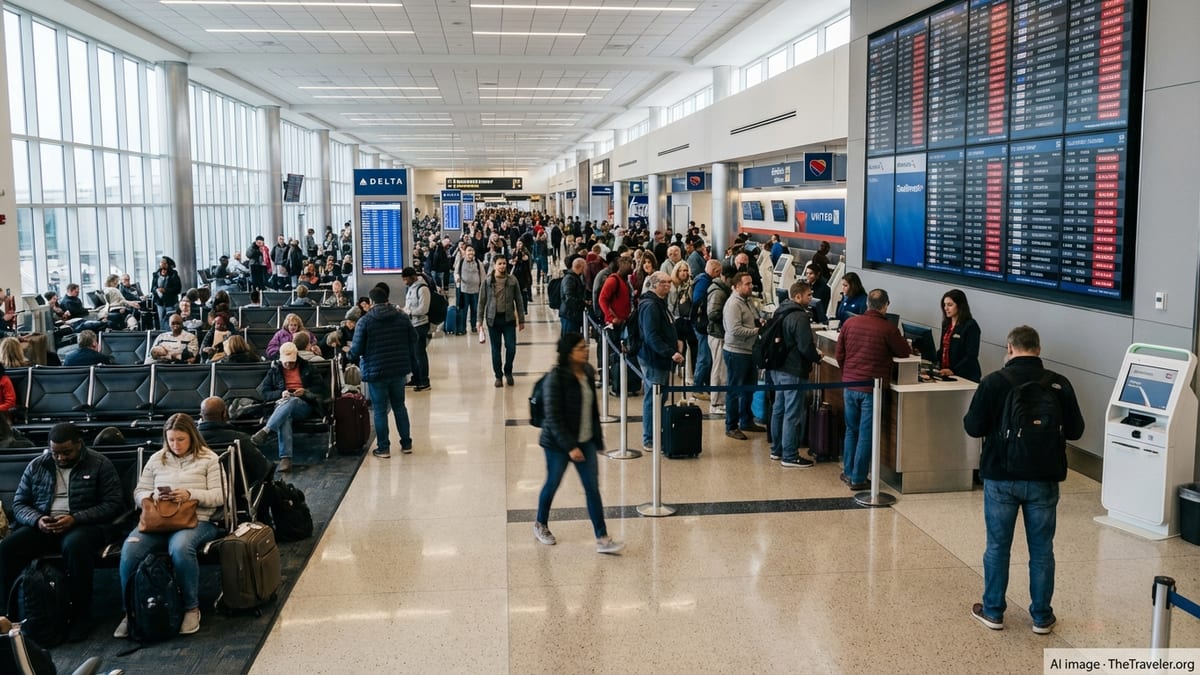
Reports from travelers on social media described long lines at service desks, crowded departure halls, and limited same-day alternatives on already busy late-spring weekend schedules.
Key Routes to the United States and Canada Affected
The disruption at Montreal-Trudeau affected several prominent corridors that are normally among the busiest and most relied upon by business and leisure travelers alike. Regional sectors to and from major American gateways such as New York and Boston, often operated under the Air Canada Express banner by Jazz, were among the services most closely watched by passengers tracking their flights.
Domestic routes within Canada, particularly shuttle-style links between Montreal and Toronto, Ottawa, and other large cities, also saw schedule adjustments. These services act as vital connectors for onward international travel, so even a limited number of suspensions and delays can lead to significant knock-on effects for passengers heading to other continents.
Porter Airlines flights, including those feeding traffic from Toronto into Montreal and from Montreal onward to other Canadian and transatlantic destinations under codeshare arrangements, showed schedule changes and delays as the day wore on. Some services remained listed as operating on time, while others were flagged with revised departure estimates that shifted progressively later.
The pattern of disruptions underlined how tightly interwoven schedules are between carriers at Montreal-Trudeau, where a change in one airline’s operation can quickly influence connection windows and available capacity on another.
Multiple Factors Behind the Operational Strain
While no single cause has been presented as solely responsible for the 24 suspensions, publicly accessible industry commentary and recent coverage point to a combination of pressures on Canadian airlines this spring. Rising fuel prices, ongoing staffing challenges, and the lingering effects of earlier weather-related disruptions at major North American hubs have all been cited in recent weeks as constraints on carrier reliability.
Reports on Air Canada’s broader network planning this year highlight a more cautious approach to marginal or seasonal routes, with some services between Canada and the United States already paused or reduced ahead of the busy summer season. In that context, short-notice suspensions at Montreal-Trudeau appear to fit a wider pattern of airlines trimming capacity and consolidating flights when demand, cost, or operational resilience become difficult to balance.
Porter Airlines has been in the midst of a rapid expansion across Canada and into key U.S. markets, including new links from Montreal. Travelers and analysts following the carrier have noted that such growth can leave schedules more exposed when aircraft or crews are not available as planned, leading to clusters of delays on certain days.
For Jazz-operated flights under the Air Canada Express banner, recent public documents and commentary have referred to fleet transitions and evolving contractual arrangements that can constrain the number of aircraft available on some regional routes at short notice, particularly when maintenance or weather disruptions occur elsewhere in the network.
Impact on Travelers at Montreal-Trudeau
Inside Montreal-Trudeau, the operational strain translated into a difficult day for passengers. Many travelers discovered their cancellations or long delays only after arriving at the airport, leading to busy lines at check-in counters and customer service points as they sought rebooking options or compensation under Canadian air passenger protection rules.
Some passengers with connecting itineraries reported rebookings that added many hours to their journeys, including overnight stays or diversions through other Canadian hubs such as Toronto or Vancouver. Others faced the prospect of returning home from the airport to try again on later dates, particularly where flights operate only a few times a week.
Travelers who booked across multiple carriers or through online travel agencies encountered additional complexity, as each airline typically handles changes only to the flights it operates. This forced some passengers to manage separate rebookings for their regional and long-haul legs, a process that can be time-consuming even in normal conditions.
Public information suggested that travelers who had built extra connection time into their itineraries fared better, while those with tight connections in Montreal were more likely to miss onward flights and require rerouting.
What Passengers Can Do if Their Flight Is Affected
Travel and consumer advocates frequently stress the importance of monitoring flight status early and often, particularly during periods of network strain. On days like May 24 at Montreal-Trudeau, checking airline apps and flight-tracking services before leaving for the airport can give early warning of cancellations or long delays and open more options for rebooking.
Passengers on suspended or heavily delayed flights may be eligible for rebooking, refunds, or compensation under Canada’s air passenger protection regulations, depending on the reason for the disruption and the length of the delay. Publicly available guidance from regulators explains that entitlements vary based on whether the cause is within the airline’s control or related to safety, weather, or other external factors.
Experts also recommend that travelers keep digital and paper copies of boarding passes, receipts for meals and accommodation, and records of communication with airlines. These can be important later when submitting claims or seeking reimbursement for out-of-pocket expenses associated with the disruption.
For upcoming travel through Montreal-Trudeau, booking longer connection windows, traveling with carry-on luggage when practical, and avoiding the last flight of the day on critical segments are among the strategies commonly suggested to reduce the risk that a single suspension or delay will derail an entire itinerary.