


More news on this day
Thousands of passengers across Canada faced hours-long queues and unexpected overnight stays today as more than 100 flights were canceled and hundreds more delayed at major airports from Vancouver to Montreal, disrupting operations at Air Canada, WestJet, Jazz, Porter, Flair and other carriers.
Get the latest news straight to your inbox!
Nationwide Disruption Hits Major Canadian Hubs
Publicly available flight-status data and aviation tracking platforms show a fresh wave of disruption sweeping through Canada’s busiest airports, with at least 114 flights canceled and about 420 delayed over the course of the day. The problems have been concentrated at large hubs including Toronto Pearson, Calgary, Vancouver, Montreal Trudeau and Ottawa, while secondary airports have also reported knock-on delays.
Reports indicate that both mainline and regional operators have been affected. Air Canada and WestJet have seen a mix of cancellations and rolling delays, while regional affiliates such as Jazz and low-cost carriers including Flair have also experienced widespread schedule changes. Porter Airlines, which has been expanding rapidly in Eastern Canada, has reported significant punctuality challenges in recent months, and the latest disruption appears to have compounded those pressures.
According to aviation analysts cited in recent coverage of Canada’s air travel performance, even a modest spike in cancellations can quickly cascade into hundreds of delayed departures and arrivals, as aircraft and crews fall out of position. Today’s figures suggest that ripple effect is being felt across the network, with delays clustering during peak morning and late afternoon bank times.
Although conditions have varied by airport, passengers traveling through Toronto and Montreal have reported some of the longest waits, as ground operations struggled to accommodate rebookings and manage congestion in departure halls. On the West Coast, Vancouver and Calgary have seen fewer outright cancellations but a high volume of delayed services, adding to overcrowding at gates and customer service counters.
Multiple Causes, From Weather To Crew And Maintenance Limits
Recent coverage of Canada’s aviation sector points to a combination of factors underpinning the latest meltdown. While localized weather issues and air-traffic flow constraints have periodically slowed operations this spring, many of the cancellations and longer delays appear tied to crew scheduling limits, aircraft maintenance requirements and tight operating margins that leave little slack in the system.
Industry reports note that carriers across North America are grappling with higher jet-fuel prices in 2026, which has pushed airlines to trim schedules and run fuller flights. When disruptions occur, fewer spare aircraft and leaner crew rosters make it harder to recover quickly. Analysts have repeatedly warned that in such an environment, a cluster of technical issues, late-arriving aircraft or minor storms can translate into widespread cancellations within hours.
Labour relations are another underlying concern. Recent legal filings and policy papers highlight a series of disputes and negotiations involving Canadian carriers and employee groups, including flight attendants and ground crews. Publicly available documents on past labour disruptions describe how work-to-rule actions and staffing shortages have previously led to days of rolling cancellations, and travelers are watching closely for signs that current talks may be adding strain behind the scenes.
Operational challenges are not limited to any single airline. Performance data for 2026 show that no major Canadian carrier has consistently avoided disruption, with legacy and low-cost operators alike periodically topping lists of delayed or canceled flights. Today’s broad cross-carrier impact, affecting Air Canada, WestJet, Jazz, Porter, Flair and others, underscores how interconnected the system has become.
Passengers Face Long Lines, Extra Costs And Uncertain Rights
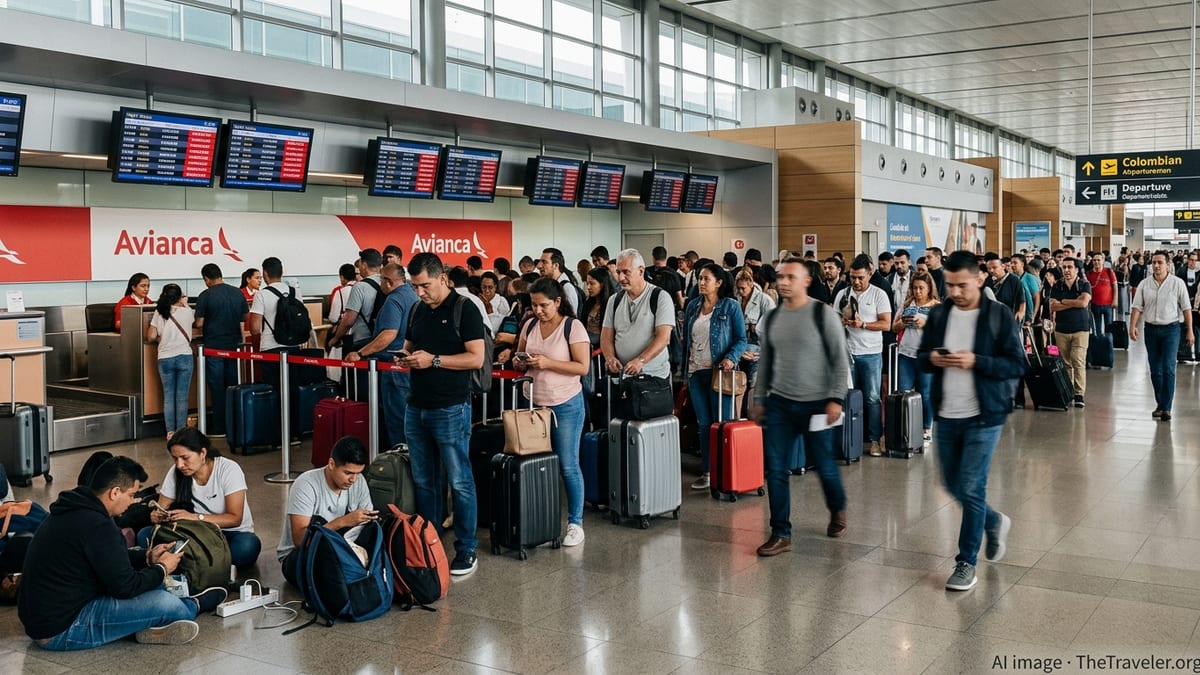
The disruption has left thousands of travelers scrambling to rebook itineraries, secure hotel rooms and rearrange onward connections. Social media posts and passenger-rights forums describe crowded customer service lines at major airports, with some travelers reporting waits of several hours to speak with airline agents or obtain written confirmation of cancellations and delays.
Under Canada’s Air Passenger Protection Regulations, airlines have specific obligations when flights are canceled or significantly delayed, although responsibilities vary depending on whether the cause is within the carrier’s control, within its control but required for safety, or entirely outside its control. Recent enforcement actions by the Canadian Transportation Agency, including penalties against major carriers for failing to provide timely refunds or rebookings during previous disruptions, suggest regulators are taking a stricter view of compliance.
Passenger advocacy groups and legal commentaries advise travelers to keep detailed records of boarding passes, delay notifications and receipts for meals or accommodation. Such documentation can prove essential when seeking compensation or reimbursement after the fact. Published guidance also encourages travelers not to rely solely on verbal explanations, but to request written confirmation of the reason provided for a cancellation or long delay.
Today’s events are likely to generate a new wave of complaints and compensation claims, especially on routes where disruptions appear tied to factors within airline control. Some consumer-facing analyses argue that, as carriers have rebuilt schedules and fares following the pandemic, expectations for reliable service have risen, and tolerance for opaque explanations has diminished.
Structural Strains In Canada’s Air Network
The scale of today’s cancellations and delays adds to a series of recent incidents that have exposed structural vulnerabilities in Canada’s air transport system. Earlier this spring, severe weather over the United States triggered hundreds of disruptions at Canadian airports that rely heavily on cross-border traffic, illustrating how international airspace and airport constraints can quickly ripple north of the border.
Separate reporting this year has detailed how airlines have been thinning or suspending selected routes in response to fuel costs and changing demand patterns, particularly on secondary transborder and regional services. While such cuts can improve balance sheets, they also reduce redundancy in the network, leaving fewer options when travelers need to be re-accommodated after mass cancellations such as those seen today.
Airports face their own constraints, with terminal capacity, security screening resources and gate availability often stretched during peak periods. Aviation experts note that when irregular operations hit, the combination of crowded terminals and limited overnight accommodation nearby can turn a schedule problem into a broader customer-experience crisis.
Some industry observers argue that Canada’s geography amplifies these challenges. With long distances between major population centers and limited surface-transport alternatives on many corridors, disruptions to air travel can have outsized economic and personal impacts, from missed medical appointments to delayed business deals and family events.
What Travelers Can Do As Disruptions Continue
Travel specialists and passenger-rights advocates recommend that anyone flying within or out of Canada over the next several days treat the current disruption as a warning sign and plan accordingly. Checking flight status frequently, both the day before and the morning of departure, can provide early notice of creeping delays. In addition, monitoring the operating carrier, which may differ from the brand on the ticket, can help clarify which airline’s policies will apply in the event of disruption.
Experienced travelers also suggest building in longer connection times, especially when itineraries involve multiple carriers or international segments. With aircraft and crew rotations under pressure, tight domestic connections are particularly vulnerable when delays accumulate at major hubs like Toronto, Montreal, Calgary and Vancouver.
For those already affected by today’s cancellations and delays, guidance from consumer organizations stresses the importance of remaining proactive. That can mean contacting airlines through mobile apps or call centers while waiting in physical lines, exploring alternative airports within driving distance, or considering rail and coach options on short-haul routes when available.
As airlines work to reset their schedules and clear backlogs, further delays and rolling cancellations remain possible. For now, the scenes at Canada’s major airports highlight the fragile balance underpinning modern air travel, where a mix of operational, economic and regulatory pressures can quickly converge to leave thousands of passengers unexpectedly grounded.