


More news on this day
Travelers at Berlin Brandenburg Airport faced fresh disruption on May 23 as two flights operated by SAS and Icelandair were cancelled and several others delayed, creating knock-on effects across major European routes connecting cities such as Frankfurt, Helsinki, Luxembourg, Warsaw and the Canary Islands.
Get the latest news straight to your inbox!
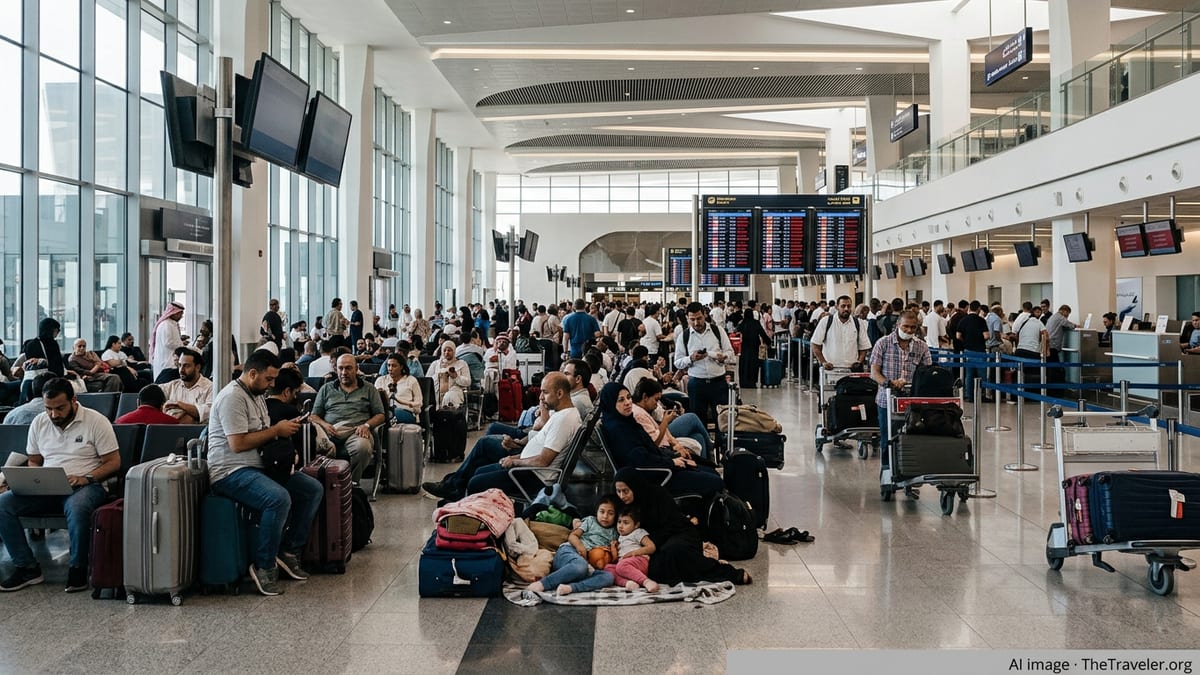
Targeted Cancellations Hit Nordic and Trans-European Links
Publicly available schedule data and live tracking services for May 23 indicate that Berlin Brandenburg Airport, already known for recent weather and labor related disruption, recorded at least two cancellations affecting SAS and Icelandair services. The affected flights were part of dense short haul networks linking the German capital with Nordic hubs and onward connections across Europe, magnifying the impact for connecting passengers.
While Berlin’s overall departure volume remained high, with more than 200 flights scheduled to leave the airport on Saturday, the loss of selected rotations on SAS and Icelandair removed key options for travelers heading toward Scandinavia and connecting onward to destinations including Helsinki, Reykjavik and North Atlantic routes. Passengers booked on the cancelled services were left to navigate rebookings into already busy peak weekend departures.
The disruption comes in a year in which Berlin Brandenburg has repeatedly appeared in regional travel coverage for operational strain, including earlier weather related shutdowns and strike actions that forced mass cancellations. Against that backdrop, even a small cluster of Nordic focused cancellations feeds broader concerns among frequent travelers about the reliability of schedules through the new capital airport.
Current data does not show a wholesale grounding of any single carrier at Berlin on May 23, but the selective cancellations by SAS and Icelandair underscore how airlines are continuously adjusting capacity in response to crew availability, aircraft rotations and wider European operational pressures.
Ripple Effects for Frankfurt, Helsinki, Luxembourg and Warsaw
The cancellation of specific Berlin departures operated by SAS and Icelandair has had a disproportionate effect on passengers aiming for onward hubs such as Frankfurt and Helsinki, as well as smaller but strategically important cities including Luxembourg and Warsaw. With many itineraries built around tight connections, the loss or delay of a single feeder leg from Berlin can cause entire journeys to unravel.
In recent months, airlines serving Berlin Brandenburg have emphasized hub connectivity, with published timetables showing frequent links from Berlin into Frankfurt, Helsinki and Luxembourg that in turn provide long haul or regional onward options. When a Berlin departure is cancelled, travelers bound for destinations like El Matorral Airport on Fuerteventura, or regional capitals in central and eastern Europe, may find that rebooking requires complete rerouting through alternative cities or even overnight stays.
Reports from passenger forums and recent schedule adjustments across Europe suggest that many carriers, not only SAS and Icelandair, are operating with limited slack in their networks. That reduces the ability to absorb disruption at a single airport and increases the likelihood that a cancellation at Berlin will cascade into missed onward flights at hubs such as Frankfurt or Helsinki, and onward connections to airports in Spain, the Baltics or the Nordic region.
Connections into Warsaw and Luxembourg are particularly sensitive to these changes, as travelers often rely on a single daily or limited frequency link from Berlin or a single tight onward connection from hubs further west or north. When a Berlin feeder flight fails to depart, the alternative can involve circuitous routings that add many hours to total travel time.
Berlin Brandenburg’s Recent Record of Operational Strain
Berlin Brandenburg’s current disruption comes on the heels of a difficult winter and early spring for the airport. In February, a bout of black ice forced a suspension of operations and triggered a wave of delays and cancellations, while in March, a 24 hour industrial action by ground and security staff halted commercial traffic entirely and disrupted tens of thousands of passengers.
Travel industry coverage from those episodes highlighted how quickly Berlin’s operations can become saturated when adverse conditions hit. Even after the airport formally reopens following a shutdown, aircraft and crew positioning remain out of place for days, resulting in irregular operations and last minute schedule changes that continue to affect travelers long after the original incident.
Recent traveler accounts from Berlin describe overnight waits in the terminal, difficulty securing accommodation during mass cancellations and a perception that contingency planning struggles to keep pace with the scale of disruption. Although the situation on May 23 is more limited in scope, affecting a smaller set of SAS and Icelandair flights rather than the entire departure board, it lands in a context where patience among frequent flyers is already strained.
Observers of European aviation have also pointed to broader structural challenges affecting Berlin Brandenburg, including its rapid ramp up after delayed opening, changing airline strategies in the German market and a series of national and local labor disputes. These factors combine to make the airport more vulnerable to even minor shocks in scheduling or weather.
Airlines Juggle Fuel Costs, Crewing and Network Adjustments
The cancellations involving SAS and Icelandair at Berlin appear to be part of a wider pattern of tactical schedule changes across Europe as carriers respond to high fuel prices, labor costs and crewing constraints. Recent coverage of SAS operations, in particular, has noted that the airline has scrapped a series of short haul flights in Scandinavia in response to fuel costs, while passengers have described short notice cancellations and rebookings during the past two months.
Icelandair, for its part, continues to operate a tightly timed hub and spoke model over Keflavik, with clusters of departures toward major European cities including Frankfurt, Berlin and Helsinki. Publicly available departure boards for the Icelandic hub show that individual cancellations or delays can disrupt carefully planned connection banks, particularly for travelers linking between North America and continental Europe.
Industry analysts note that when fuel and labor costs rise, airlines may choose to consolidate frequencies on overlapping routes, remove weaker performing rotations or combine loads onto a smaller number of departures. In practice, this can translate into last minute cancellations of off peak flights or lightly booked services, especially where alternative departures exist the same day or via a nearby hub.
For travelers departing Berlin, the visible result is that flights which appear reliably scheduled in timetable publications months ahead can still be removed or retimed as operating conditions evolve. The May 23 disruption affecting SAS and Icelandair reinforces the message that schedules remain subject to change even outside of headline making strike or weather events.
What Travelers Can Expect in the Coming Days
In the immediate aftermath of the two cancellations and associated delays on May 23, travelers using Berlin Brandenburg can expect some residual knock on effects, especially for evening and early morning departures as aircraft and crew return to their planned rotations. Publicly available schedule data for the coming days still shows a full slate of departures by SAS, Icelandair and other carriers, but experience from recent months suggests that short notice changes cannot be ruled out.
Passenger advocates and travel planners consistently recommend that travelers through European hubs like Berlin, Frankfurt, Helsinki and Luxembourg monitor their bookings closely in the 24 hours before departure, making use of airline apps and airport departure boards to track any schedule changes. When delays or cancellations occur, airlines operating out of Berlin typically offer rebooking on later flights or alternative routings via partner hubs, although the most convenient options may fill quickly on busy travel days.
In cases where cancellations are not caused by extraordinary circumstances such as severe weather, travelers on affected SAS and Icelandair flights may be eligible for compensation under European passenger protections, in addition to care such as meals and accommodation. Publicly available guidance from consumer bodies stresses the importance of retaining boarding passes, booking confirmations and receipts for any expenses incurred during disruption.
With Berlin Brandenburg heading into the busy summer travel period, the latest round of targeted cancellations serves as a reminder that even limited schedule changes can have broad effects across interconnected European networks. Travelers heading to or from cities such as Frankfurt, Helsinki, Luxembourg, Warsaw and El Matorral via Berlin may benefit from allowing extra connection time or considering alternative routings where schedules permit.