


More news on this day
Passengers at Copenhagen Airport faced hours of uncertainty on June 13 as a series of cancellations and knock‑on delays involving SAS, Finnair, and Air Canada left travelers stranded and disrupted key routes linking Scandinavia with North America, the Middle East, and destinations across Europe.
Get the latest news straight to your inbox!
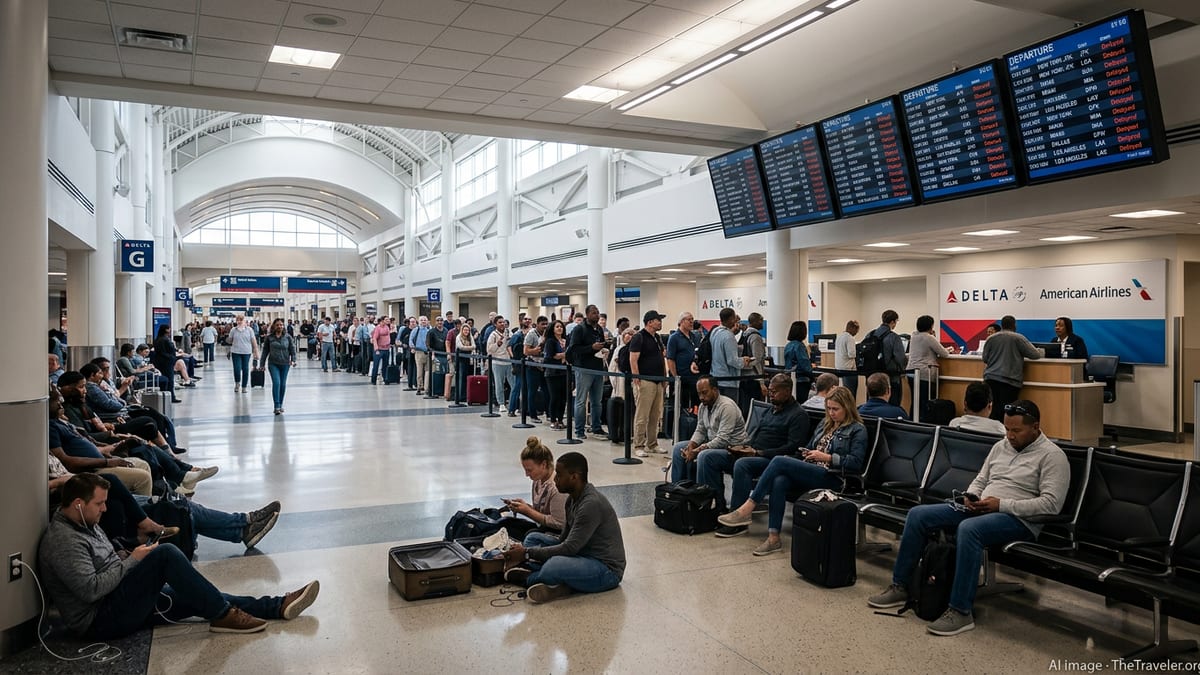
Cluster of Cancellations Hits Key International Routes
Latest operational information from airline trackers and airport data shows that at least six flights connected with Copenhagen were cancelled across SAS, Finnair, and Air Canada services, with additional rotations experiencing significant delays. The disruption affected links between Denmark and Finland, long‑haul services to Canada and the United States, and connecting traffic to hubs in the United Arab Emirates and beyond.
Among the routes most exposed were those using Copenhagen as a transfer point between North America and South Asia or the Gulf region. Affected passengers reported missed onward flights to major cities including Dubai and Abu Dhabi after late‑running or cancelled feeder services through the Danish hub. The disruption added strain to an already busy early summer schedule, as carriers ramp up capacity on transatlantic and intra‑European routes.
Copenhagen Airport has recently reported passenger numbers returning close to or above pre‑pandemic levels, with more than three million travelers passing through in May alone. That higher traffic volume means that even a handful of cancellations on long‑haul services can ripple quickly across multiple regions, creating bottlenecks at transfer desks and customer service points as travelers seek rerouting options.
Publicly available information from flight status platforms indicates that some of the affected services were operating under codeshare arrangements, further complicating rebooking efforts as travelers navigated between marketing and operating carriers to secure alternative itineraries.
SAS Disruptions Amplified by Wider Network Pressures
SAS, a key operator at Copenhagen and a primary connector between Scandinavia and long‑haul destinations, has been contending with a busy summer launch schedule and recent challenges on select new routes. The airline’s growing network from the Danish capital, including recently introduced services to markets such as Mumbai and expanded frequencies to major European and North American cities, has increased reliance on smooth hub operations.
Recent weeks have already seen SAS passengers report uncertainty around flights linking Copenhagen with South Asia, particularly services to India, where regulatory and operational issues have led to late‑stage schedule changes. That backdrop has heightened concern among travelers booked on complex itineraries via Copenhagen when additional short‑notice cancellations or delays arise.
On June 13, several SAS flights in and out of Copenhagen experienced extended delays or cancellations, impacting not only point‑to‑point passengers between Denmark and neighboring countries such as Finland and Sweden, but also those connecting onward to the United States and Canada. With SAS and partner airlines jointly operating certain transatlantic links, disruption on one leg of the journey often translated into missed onward connections and the need for hotel accommodation or rebooked flights.
Published guidance from passenger rights services notes that eligible travelers departing from European Union airports may be entitled to compensation or reimbursement when delays or cancellations fall within the scope of EU consumer rules. However, the applicability of those protections depends on the specific cause of the disruption and the operating carrier for each affected flight.
Finnair Cancellations Add to Nordic Travel Friction
Finnair, which uses Copenhagen as part of its broader Nordic network feeding into its Helsinki hub, has also been adjusting its schedules in recent months amid wider operational pressures. Publicly available advisory documents and consumer guides referencing Finnair’s recent wave of cancellations highlight how changes in crew availability and aircraft utilization can lead to short‑notice alterations, especially during peak travel periods.
On June 13, at least one Finnair service touching Copenhagen was reported cancelled, adding another layer of disruption for travelers relying on coordinated connections between Denmark and Finland. Passengers booked to continue from Helsinki to long‑haul destinations in Asia or the Middle East faced particular uncertainty, as missed links at the Nordic transfer point can mean lengthy rebooking windows when flights operate only once daily or a few times per week.
These cancellations also affected business travelers moving between major Nordic capitals and regional centers, where daytime schedules often rely on tight morning and evening banks of flights. When one or two rotations are removed, the remaining services quickly become oversubscribed, limiting options for same‑day travel or rapid re‑accommodation.
Consumer guidance currently circulating online emphasizes the importance for Finnair passengers of monitoring flight status closely and maintaining updated contact details with the airline or booking agent, as schedule changes may be communicated at relatively short notice during ongoing operational adjustments.
Air Canada Links to Copenhagen Disrupted
The disruption extended across the Atlantic, where Air Canada’s partnership arrangements with SAS and other Star Alliance carriers create multiple one‑stop itineraries between North America and Scandinavia. Flight status tools and airline information pages indicate that at least one Air Canada rotation connected with Copenhagen was cancelled, and others encountered cascading delays as aircraft and crews were repositioned.
Key transatlantic routes involving Copenhagen include services between Toronto and the Danish capital, where both SAS and Air Canada market flights that feed onward connections to destinations across Europe, the Middle East, and South Asia. When a single long‑haul leg is cancelled or heavily delayed, passengers heading to the United States, the United Arab Emirates, and cities across northern Europe through Copenhagen can encounter lengthy disruptions.
Travelers on itineraries combining Air Canada with SAS reported being moved onto alternative routings via other European hubs, including Paris and Amsterdam, as airlines sought to preserve long‑haul segments where possible. Though such solutions can keep travelers moving, they often entail overnight layovers, additional security checks, and changes of terminal or airport within a city, adding to the overall travel time and stress.
Published guidance from Air Canada’s own customer information materials underscores that rerouting and refund options depend on whether a disruption is within the carrier’s control, as well as the rules attached to each fare. For passengers ticketed through travel agencies or online intermediaries, resolving changes can take longer, particularly when multiple partner airlines are involved in a single booking.
Passengers Confront Long Queues and Complex Rebooking
Across the terminal at Copenhagen on June 13, the combined impact of the six confirmed cancellations and a series of rolling delays translated into long lines at transfer desks and customer service counters. Travelers described waiting extended periods to receive updated itineraries as ground staff worked through backlogs of disrupted passengers, many of them on multi‑leg journeys spanning several continents.
For some, the timing of the cancellations created additional complications. Instances where travelers received notification late in the evening for a next‑day departure left limited room to arrange alternative flights at reasonable fares. Others learned of changes only upon arrival at the airport, forcing rapid decisions about whether to accept rerouting via different hubs or request refunds and abandon plans.
Industry guidance on handling such events suggests that affected passengers should document their disruption, retain receipts for necessary expenses such as meals and accommodation, and review both airline policies and local passenger rights legislation. In Europe, regulations governing flight delays and cancellations may provide compensation or assistance in certain circumstances, though the specifics differ depending on the cause of the disruption and whether the flight is inbound, outbound, or within the region.
With summer travel volumes trending higher and airlines operating tight schedules on popular routes, analysts note that similar clusters of cancellations and delays are likely to continue at major hubs such as Copenhagen, Helsinki, and key Canadian airports. Travelers connecting between Finland, Denmark, the UAE, Canada, and the US are therefore being advised by consumer advocates to build in additional time for connections, monitor flight status proactively, and remain flexible about routing options when disruption strikes.