


More news on this day
Saul “Canelo” Álvarez has landed in Riyadh ahead of his October 31 world title bout, touching down in a city under heightened security scrutiny as governments tighten warnings against travel to Saudi Arabia.
Get the latest news straight to your inbox!
Boxing Spectacle Presses Ahead Amid Missile Strikes
The Mexican superstar arrived in the Saudi capital on October 26, according to multiple boxing news outlets, to begin final preparations for his WBC super middleweight title clash with Christian Mbilli. The bout, scheduled for October 31 at a Riyadh Season event, is set to be one of the most high-profile sporting occasions staged in the kingdom this year.
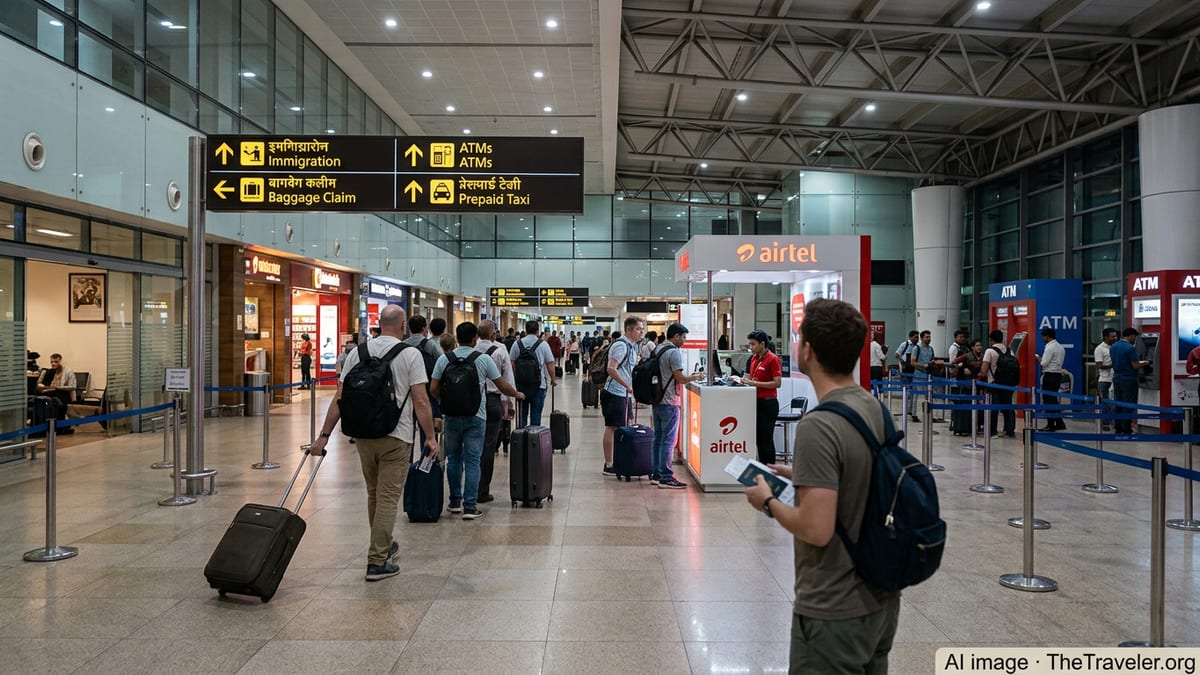
Álvarez’s arrival comes less than three weeks after a missile strike on Riyadh’s King Khalid International Airport, reported by international media to have killed at least a dozen people and injured hundreds more. The attack, attributed in coverage to Yemen’s Houthi movement, targeted precisely the type of civilian infrastructure that visiting fans and fight personnel depend on to reach the event.
Despite the strikes and concerns raised in the wider sporting world, published reports indicate that Saudi organizers are determined for the show to go on. Promotional material for Riyadh Season continues to spotlight the Alvarez Mbilli contest as a centrepiece attraction, and ticket sales and travel packages remained available online as of late October.
Álvarez himself has been portrayed in international coverage as intent on fulfilling his multi-fight agreement in Saudi Arabia. Earlier this month, sports reporting highlighted comments from Riyadh Season chair Turki Alalshikh suggesting that the fighter personally reaffirmed his willingness to compete in the capital despite the airport attack and the uncertain security environment.
U.S. Tightens Security Alert and Evacuates Some Staff
The security backdrop for the fight shifted significantly on October 23, when the U.S. Department of State updated its travel advisory for Saudi Arabia. Publicly available information on the State Department’s website shows Saudi Arabia at Level 3, “Reconsider Travel,” with parts of the country near the Yemen border at Level 4, “Do Not Travel.”
In the same update, the United States ordered non emergency government employees and family members to depart Saudi Arabia, citing safety risks following a series of deadly attacks on airports and other civilian sites that international reporting has linked to Houthi forces. Coverage from major newswires notes that the move is part of a wider reduction of U.S. diplomatic presence across parts of the Gulf due to increased regional tensions.
The U.S. Embassy in Riyadh has also circulated security alerts warning of the potential for further missile and drone attacks on Saudi cities and transport hubs. Public posts reviewed by TheTraveler.org emphasize that U.S. government personnel require special authorization to use Saudi airports and that movement within certain provinces is restricted due to the threat of cross border strikes.
Other Western governments have taken similar lines. Updated travel advice from Australia’s Smartraveller service, current to October 27, labels Saudi Arabia overall as “Do not travel” because of the volatile security situation, and advises against any trips to the kingdom. European governments have also issued strong cautions, often singling out the Yemen border region as particularly dangerous.
Conflicting Signals for International Travelers
The contrast between a marquee global sports event and a landscape of security alerts is creating a complicated picture for travelers weighing a trip to Riyadh. On one hand, Saudi Arabia continues to promote itself as an emerging hub for mega events in boxing, football and entertainment, investing heavily in venues, hospitality and air connections.
On the other, official advisories describe a country facing elevated risks of missile and drone attacks on civilian infrastructure, including airports used by commercial airlines. Public guidance from the United States and allied governments underscores concerns that further strikes could cause casualties or serious disruption to air travel at short notice.
For prospective visitors from the United States, the current Level 3 advisory stops short of an outright prohibition on private travel but carries clear implications. “Reconsider travel” alerts are framed by the State Department as a warning that serious risks to safety and security are present, and that those who still choose to go should have robust contingency plans and a high tolerance for disruption.
Travel industry analyses published in recent months note that such advisories can affect insurance coverage, corporate travel policies and tour operations. Some companies will not authorize employee trips to destinations under Level 3 or Level 4 notices, while some insurers may decline to cover travel to areas other governments label “do not travel.”
What Fans Heading to Riyadh Are Being Told
Publicly available guidance from the State Department and allied foreign ministries urges travelers who nonetheless decide to visit Saudi Arabia to take extensive precautions. Recommendations include enrolling with national traveler registration services, monitoring embassy alerts closely, and having plans for sheltering in place or departing quickly if the security situation worsens.
The U.S. advisory highlights restrictions on government personnel movements, including bans on travel within 20 miles of the Yemen border and special authorization requirements for visits to certain provinces and cities. While these rules apply directly only to official staff, they are widely cited by risk consultants as a practical indicator of areas where private travelers should exercise extreme caution or avoid altogether.
Security briefings circulated by commercial risk firms and academic centers emphasize the importance of staying away from political gatherings, avoiding photography of sensitive sites such as government buildings and impact locations, and following local Civil Defense alerts that may be broadcast to mobile devices. Travelers are also urged to maintain flexible itineraries that can be changed rapidly if airports or key highways are temporarily closed.
For those planning to attend the fight itself, the primary uncertainties relate to air links into Riyadh and the potential for last minute changes in event logistics. So far, event organizers have not announced any relocation or postponement of the card, and airlines were still listing Riyadh flights to coincide with the October 31 show date at the time of writing. However, analysts point out that further significant attacks, or an escalation in regional tensions, could force swift adjustments.
A High Stakes Showcase for Saudi Arabia’s Event Strategy
The Álvarez Mbilli clash is the latest and arguably most sensitive test of Saudi Arabia’s strategy of hosting major international sports as part of a broader tourism and branding drive. Previous boxing cards, football matches and motorsport races have drawn global attention and a growing influx of visitors to the kingdom.
This time, the spotlight falls as much on the security context as on the fight itself. The ability of organizers, local authorities and airlines to deliver a smooth experience for fans against a backdrop of missile attacks and travel warnings will be closely watched by the wider events industry.
If the October 31 show proceeds without incident, proponents of Saudi Arabia’s hosting model are likely to frame it as evidence that large scale gatherings can be staged safely despite regional tensions. If travel disruption or new security incidents overshadow the event, questions may deepen about the viability of scheduling global spectacles in locations facing active threats to civilian infrastructure.
For now, one of boxing’s biggest stars is in Riyadh, training towards the opening bell while foreign ministries urge caution and some embassy families board flights in the opposite direction. The split screen underlines the new reality for sports driven tourism in a region where geopolitics and leisure travel increasingly intersect.