


More news on this day
Riyadh is preparing to welcome boxing star Canelo Álvarez for a high profile title fight even as the United States raises its travel advisory for Saudi Arabia to Level 3, urging Americans to reconsider travel amid a surge in regional security risks.
Get the latest news straight to your inbox!
Big Fight Night Anchors Riyadh Season
Canelo Álvarez is scheduled to face unbeaten WBC super middleweight champion Christian Mbilli on October 31, 2026, at The Venue in Riyadh, as part of the city’s annual Riyadh Season entertainment festival. Publicly available schedules describe the card as a “Mexico vs The World” event, with Álvarez headlining a night of ten bouts built around Mexican fighters matched against opponents from Europe, Asia, Africa, and the Middle East.
Event listings show that fight week in the Saudi capital runs from October 28 to 31, with grand arrivals, press conferences, and the official weigh in all set for evening start times, followed by the main event on Saturday night. Tickets are on sale through local platforms, and promotional materials indicate that international broadcasters plan live coverage into North America and Europe. For travelers, that means peak demand for flights and hotel rooms in the days immediately before and after October 31.
The bout is one of the centerpieces of Riyadh Season 2026, which officially opened on October 21 and spans multiple zones across the city, from Boulevard City to dedicated sports venues. The festival program includes concerts, theater productions, gaming conventions, and several other fight nights across boxing and mixed martial arts, turning late October and November into one of Riyadh’s busiest tourism periods of the year.
Álvarez has increasingly tied his career to Saudi Arabia in recent years, signing a multi fight agreement that shifted some of his biggest contests away from Las Vegas to Riyadh. The October 31 showdown extends that partnership into a far more volatile regional environment, meaning visiting fans now need to track security advisories as closely as they follow undercard announcements.
U.S. Advisory Raised to Level 3: Reconsider Travel
On October 23, 2026, the U.S. Department of State updated its Saudi Arabia travel advisory to Level 3, “Reconsider Travel,” citing an increased risk of missile and drone attacks by Iran supported Houthi forces and concerns about efforts to target U.S. government personnel in the region. The advisory highlights the threat to civilian airports and critical infrastructure and notes that past strikes have caused casualties and major disruptions to air travel.
The country specific warning follows a broader pattern of alerts issued throughout 2026 in response to the conflict involving Iran and allied groups. A worldwide caution, most recently updated in July, urges Americans to exercise increased vigilance globally, with specific language for those in the Middle East to be prepared for flight cancellations, airspace closures, and sudden changes to commercial airline operations.
Separate reporting indicates that the State Department has ordered some nonessential U.S. government staff and eligible family members to depart Saudi Arabia after a series of deadly attacks attributed to Houthi forces. In those alerts, diplomatic missions across the region have advised U.S. citizens to reconsider nonessential travel, maintain a low profile, and closely follow local news and security updates.
While the October 23 advisory allows family members of U.S. government employees to accompany them to Saudi Arabia, the overall shift to Level 3 places the kingdom in a more restricted category for American travelers. For those considering a trip to see Canelo in person, the official guidance now sits several notches above the routine caution that applied when Riyadh first began marketing itself as a global fight capital.
Security Risks Around Airports and Mass Events
Travel and security assessments compiled this month point to civilian airports and energy infrastructure as particular areas of concern inside Saudi Arabia. Recent reports describe drone and missile attacks that have targeted or affected airports, with at least one strike on Riyadh’s main international gateway in October resulting in deaths and injuries, including at least one American citizen, and triggering temporary suspensions of flights.
The updated U.S. advisory references the potential for additional attacks on transportation hubs, public venues, and places frequented by foreigners. Analysts monitoring the conflict note that aerial attacks have at times disrupted both domestic and international routes, occasionally with limited warning. That volatility poses additional challenges for fans planning tightly timed itineraries around fixed event dates such as October 31.
Mass gatherings like major sporting events can also be complicated by wider regional tensions. Although there is no publicly available indication that the Canelo Álvarez vs. Christian Mbilli fight itself is the focus of a direct threat, risk consultants emphasize that any high profile event draws larger crowds, heavier traffic, and a more visible international footprint. That can magnify the impact if authorities close airspace or reroute flights because of developments elsewhere in the country or the broader Gulf region.
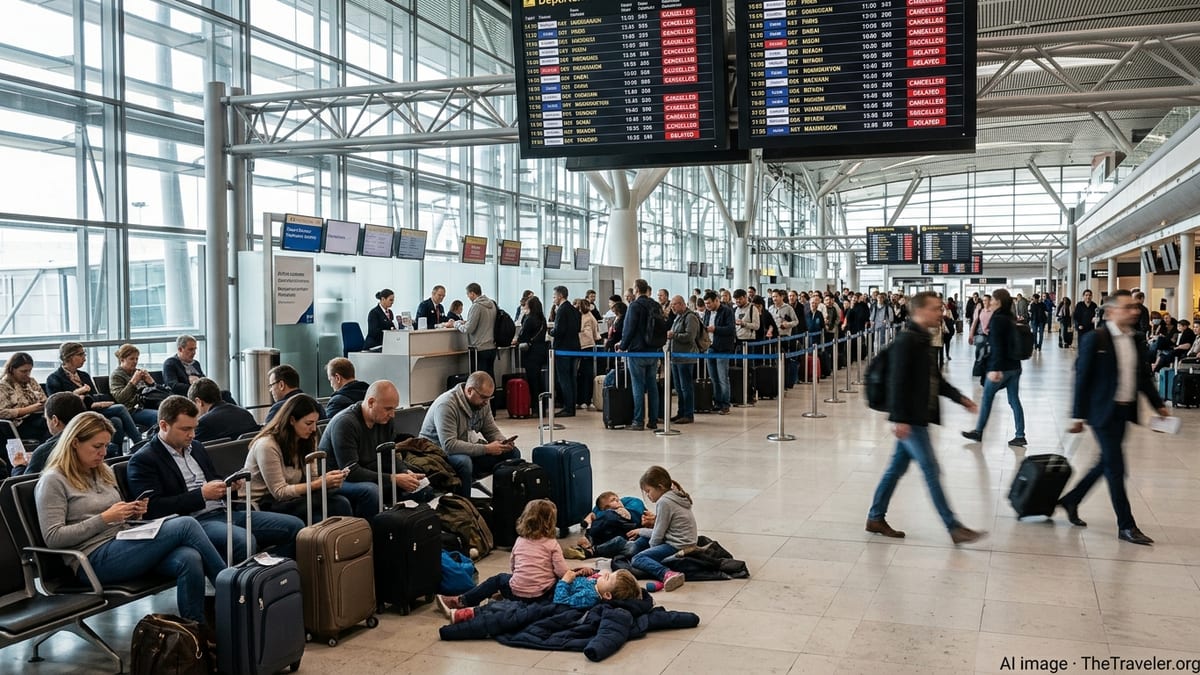
Insurance specialists tracking the Middle East crisis have reported higher war risk premiums for carriers and more conservative operating decisions when projectile activity increases near key corridors. For travelers, that can translate into sudden schedule changes, diversions to alternate airports, or extended waits for rebooked flights, even if the immediate security incident occurs far from Riyadh’s entertainment districts.
What U.S. Travelers Should Know Before Heading to Riyadh
For Americans intent on traveling to Riyadh for the fight, the new environment demands significantly more preparation than earlier seasons. The State Department advises U.S. citizens abroad to enroll in its Smart Traveler Enrollment Program so they can receive security messages from the embassy, including alerts about flight disruptions, local curfews, or changes to movement recommendations.
Travel industry briefings on the current Middle East crisis recommend building flexibility into itineraries, such as arriving at least one or two days earlier than the minimum needed for the event and avoiding tight connections through other regional hubs where airspace closures have been more frequent. Some corporate travel managers also advise keeping accommodation bookings and ground transport options that can be adjusted without heavy penalties if the situation deteriorates.
Publicly available guidance from risk management firms suggests that visitors to Gulf cities in this period should maintain updated contact information with their airline and tour operator, carry copies of travel documents, and plan for the possibility of extended stays caused by airport closures. They also encourage travelers to avoid sharing detailed itineraries or location data on public social media accounts while the regional crisis remains active.
For those who decide the current risk level is too high, mainland U.S. broadcasters and streaming services are positioning the Canelo event as a major television attraction. That makes it possible for fans to follow Álvarez’s latest chapter in Riyadh Season from home while monitoring how the security picture evolves.
Balancing Saudi Tourism Ambitions With Crisis Realities
The collision of a marquee boxing event with tightened travel warnings illustrates the tension at the heart of Saudi Arabia’s tourism strategy. Riyadh Season, first launched in 2019, is designed to recast the capital as a global leisure destination powered by mega concerts, international sports, and immersive themed zones. The inclusion of a Canelo Álvarez title fight at the end of October fits that ambition, projecting an image of normality and spectacle despite the wider conflict.
Yet the 2026 Iran related crisis has repeatedly spilled over into Saudi territory, and publicly reported attacks on airports and energy sites have forced a recalibration of how outside governments describe the risks. The latest Level 3 advisory underlines that, for U.S. authorities, the probability of further missile or drone activity is high enough to justify caution even in major urban centers that are simultaneously promoting festivals and sports seasons.
Saudi organizers continue to advertise a full slate of events beyond October, including professional wrestling, mixed martial arts, and cultural festivals spread across several zones in Riyadh. At the same time, foreign embassies and global travel companies are flagging the need for scenario planning, from potential schedule shifts to temporary relocations of fixtures should the security situation worsen.
For international travelers, the result is a complicated calculus. Canelo Álvarez fighting under the lights of The Venue at Riyadh Season offers a rare sporting spectacle, but it unfolds against an unusually unstable backdrop. Whether fans choose to attend in person or watch from afar, the convergence of boxing and geopolitics in late October 2026 underscores how quickly travel assumptions can change when regional tensions spike.