


More news on this day
The United States has issued a coordinated update to travel advisories covering 13 countries across the Middle East, urging Americans to reconsider or delay trips amid intensified attacks linked to Yemen’s Houthi movement, heightened tensions with Iran and growing risks to civilian aviation and critical infrastructure.
Get the latest news straight to your inbox!
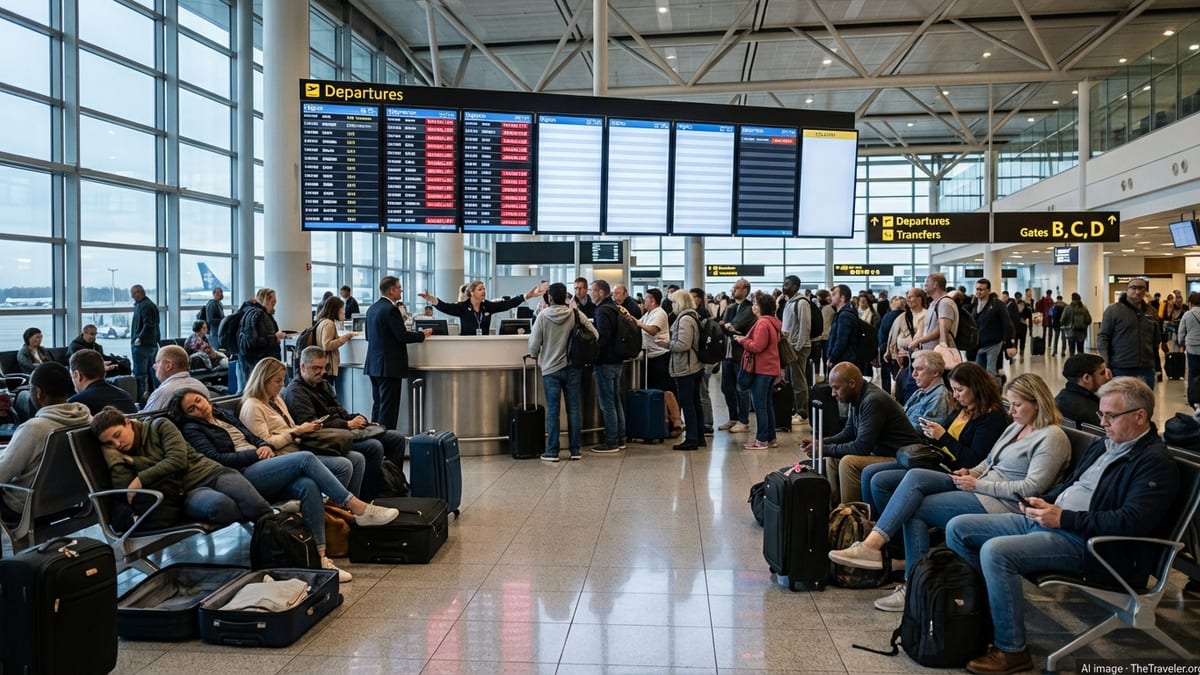
Coordinated Advisory Update Across the Region
Publicly available information from the US Department of State and recent media coverage indicate that travel advisories were revised on October 23, 2026, for Bahrain, Iran, Iraq, Israel, Jordan, Kuwait, Lebanon, Oman, Qatar, Saudi Arabia, Syria, the United Arab Emirates and Yemen. While advisory levels in many cases did not change, the language was updated to highlight new security concerns and the possibility that violence could spread rapidly across borders.
Coverage from outlets including Al-Monitor and The New Arab describes the move as a region wide adjustment tied to conflict involving Iran backed Houthi forces in Yemen and fears of retaliatory action by Iran or allied groups. The updates build on a Worldwide Caution alert first issued earlier in 2026, which urges US citizens to remain vigilant for terrorism and political violence in multiple regions, with particular reference to the Middle East.
According to summaries of the advisories, the 13 countries now have harmonized language warning of elevated risks of missile and drone strikes, terrorist attacks and civil unrest, as well as sudden disruptions to commercial aviation. Country specific pages also reiterate longstanding concerns such as kidnapping, landmines in some border areas and limited consular access outside major cities.
Houthi Attacks and Threats to Air Travel
The latest changes follow a series of high profile Houthi attacks on civilian airports and other infrastructure in Saudi Arabia that have reverberated across the region. Reporting by CBS News and other outlets notes that an October 10 strike on Riyadh’s King Khalid International Airport killed an American citizen and more than a dozen others, injuring hundreds and forcing extended closures of parts of the facility.
Travel risk bulletins compiled by security firms and news organizations point to repeated warnings by Houthi spokespeople that Saudi airports remain potential targets, with only the holy cities of Mecca and Medina explicitly excluded. These statements, coupled with a history of missile and drone launches toward Riyadh, Jeddah and Dammam, have led to enhanced restrictions on official US travel through key Saudi airports and contributed to the stronger wording in the updated advisories.
Industry analyses indicate that airlines serving the Gulf and wider Middle East have had to adjust schedules, reroute aircraft and, in some cases, suspend particular city pairs in response to evolving airspace risks. Travel advisories now explicitly caution that flight cancellations, diversions and airport closures may occur with little or no advance notice, and that debris from intercepted missiles could present a hazard even when incoming projectiles are destroyed before impact.
Heightened Iran Tensions and Diplomatic Drawdowns
The advisory revisions coincide with a broader deterioration in regional security tied to confrontation between the United States and Iran. Recent Associated Press coverage describes a partial drawdown of nonessential US government personnel from Saudi Arabia and reduced staffing at several other embassies in the Middle East, following threats by Iran’s Revolutionary Guard and incidents at sea near the Strait of Hormuz.
News reports also reference US allegations that Iranian operatives have explored targeting American officials in the region, a factor that has prompted more explicit references in advisories to the risk of attacks on US and Western interests. While the updated travel notices do not announce new evacuations of private citizens, they stress that the ability of US missions to provide emergency assistance could be sharply constrained if hostilities escalate or diplomatic facilities are forced to curtail operations.
Background material from consular information pages explains that the State Department’s four tier advisory system ranges from Level 1, exercise normal precautions, to Level 4, do not travel. Several of the 13 Middle East states, including Syria and Yemen, already carry Level 4 warnings, while others such as Saudi Arabia are rated Level 3, reconsider travel, with detailed internal restrictions based on specific regions and infrastructure.
Practical Implications for Travelers and Airlines
The coordinated advisories have immediate consequences for leisure travelers, business visitors and the aviation and tourism sectors that serve them. Corporate travel managers and tour operators are reviewing itineraries that transit major hubs in the Gulf, such as Doha, Dubai and Abu Dhabi, in light of the stated possibility of sudden airspace closures and temporary suspensions of routes serving certain cities.
Public guidance reproduced by multiple outlets encourages Americans already in the region to maintain a low profile, review personal security plans and ensure that travel documents remain valid in case rapid departure becomes necessary. Travelers are urged to monitor local media and sign up for email or text alerts from embassies and consulates in order to receive timely notice of changes to airport operations or security conditions.
Analysts note that insurance providers may apply specific clauses related to war, terrorism and civil unrest across parts of the Middle East, potentially affecting coverage for trip interruption or evacuation. Some corporate policies now require pre travel security assessments before approving nonessential travel to any of the 13 countries listed in the updated US advisories.
How Travelers Can Track Rapidly Changing Risks
US citizens considering travel to the Middle East are being advised, in publicly available government material and independent security briefings, to treat the situation as fluid and subject to rapid change. Official advisory pages outline recommended steps such as enrolling in the Smart Traveler Enrollment Program to receive security messages and confirming that airlines and tour operators have contingency plans for rerouting or emergency changes.
Security analysts quoted in regional and international coverage emphasize the importance of distinguishing between different areas within each country. While some capital cities and business districts continue to function with heightened but manageable risk, border regions, conflict zones and locations near military sites or airports face a significantly higher likelihood of attack or collateral damage from nearby strikes.
Reports also highlight that other governments, including several European states, maintain their own advisories for the same 13 countries, often mirroring US concerns about terrorism and aviation safety. Travelers routing through the region from third countries may therefore face overlapping restrictions, including carrier specific decisions to avoid certain air corridors or limit overnight crew layovers.
The overarching message of the fresh US warnings is that while travel to parts of the Middle East remains possible, the margin for unexpected disruption has narrowed. Prospective visitors are being encouraged to weigh the purpose of their trip against a security environment shaped by ongoing conflict involving Houthi forces, unresolved tensions with Iran and persistent threats to airports and other critical infrastructure across the region.