


More news on this day
Saul “Canelo” Alvarez has arrived in Riyadh ahead of his October 31 world title fight, stepping into Saudi Arabia’s flagship entertainment season just as the United States updates and tightens its travel advisory for the kingdom.
Get the latest news straight to your inbox!
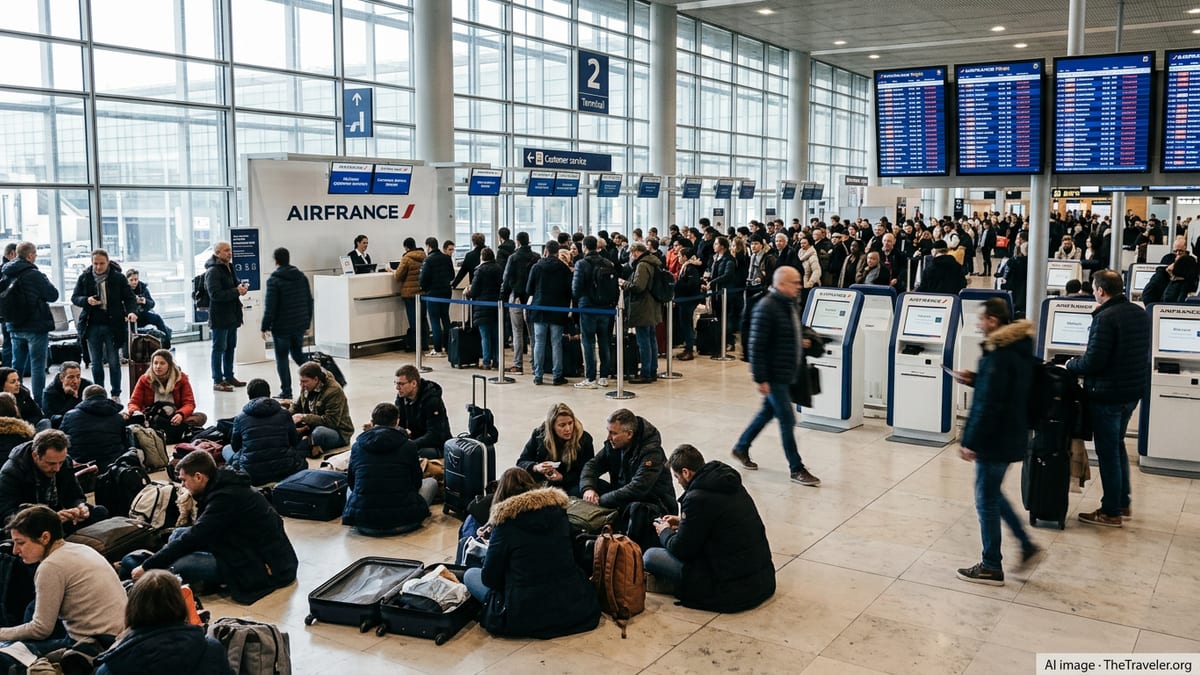
High-Profile Arrival Amid Heightened Security Climate
Publicly available coverage from Riyadh indicates that Canelo landed in the Saudi capital on Monday, October 26, confirming that his WBC super middleweight title clash with Christian Mbilli remains scheduled for Saturday, October 31 at The Venue in Riyadh. The bout headlines a card billed as “Mexico vs The World,” part of the broader Riyadh Season program of international sports and entertainment events.
Despite a series of security incidents affecting civil aviation and infrastructure in Saudi Arabia, reports show that promoters and local organizers continue to present the fight as proceeding on its original date and in its original location. Listings for the event describe a main event ring walk set for the early hours of Sunday morning local time so the fight can air in prime evening slots in North America.
The card arrives in a country that has aggressively invested in global boxing and mixed martial arts over recent years, luring stars and sanctioning bodies with expansive purses and purpose-built venues in Riyadh. Canelo’s latest appearance further cements the Saudi capital’s role as a recurring host for major combat sports nights that attract international visitors as well as regional fans.
For travelers weighing a trip to see the fight in person, however, the security context has grown more complex in the days leading up to Alvarez’s arrival, particularly for U.S. citizens and residents.
U.S. Travel Advisory Moves to Stronger Caution
According to the U.S. Department of State’s Saudi Arabia country page, the travel advisory was updated in October 2026 and currently stands at Level 3, “Reconsider Travel.” Public guidance cites risks from missile and drone attacks, terrorism, and the potential targeting of civilian airports and other critical infrastructure. The advisory also references prior notices regarding threats to civil aviation in the region and advises travelers to stay informed about evolving risks.
Separate reporting from international news outlets indicates that, in the past week, the United States directed some diplomatic staff and family members to depart Saudi Arabia following attacks attributed to Yemen-based Houthi forces. Those incidents reportedly affected airport operations and heightened concerns about additional strikes on transportation hubs and populated areas.
The advisory outlines specific restrictions on the movement of U.S. government personnel inside the country, including limitations on travel near the border with Yemen and to certain provinces and cities. While these rules apply to official staff, the guidance is intended to signal that conditions can change quickly, and that private travelers should review the details closely, enroll in alert services where available, and maintain contingency plans.
The adjustment in U.S. messaging sits alongside similar language from other governments. For example, Canada’s most recent advisory classifies travel to Saudi Arabia as “avoid non-essential,” pointing to a volatile regional security climate and the risk of further attacks that could disrupt flights or local transportation.
Riyadh Season Calendar Presses On
Within this security backdrop, Riyadh Season’s sports calendar has evolved rather than halted. Boxing-focused outlets and regional media note that some major events, including a high-profile tennis exhibition known as the Six Kings Slam and several other large-scale gatherings, have been postponed or rescheduled in recent days. Organizers have shifted certain fixtures into late December while reviewing the wider schedule.
At the same time, coverage of the Canelo vs Mbilli promotion indicates that the boxing event remains on the books for October 31. Tickets continue to be marketed for The Venue in Riyadh, and official communications from Saudi entertainment authorities in early October detailed a ten-bout card featuring Mexican fighters matched against opponents from Europe, Central Asia, and the Middle East under the “Mexico vs The World” banner.
This mixed picture means that visiting fans may encounter a city where some large events have been delayed for risk management reasons, while others go forward with extensive security protocols. Travel observers note that major venues in Riyadh have previously hosted international fight nights under tight control, with layered entry screening, visible police and private security presence, and transport plans designed to keep fans on established routes between hotels, fan zones, and arenas.
However, as current advisories emphasize, even well-managed events cannot fully insulate attendees from broader regional tensions, particularly where airports and long-distance road corridors are concerned. Travelers are being encouraged to monitor airline notices, be prepared for last-minute schedule changes, and build extra time into connections through regional hubs.
What the Advisory Means for Visiting Fight Fans
For U.S.-based boxing fans considering a late-October trip to Riyadh, the Level 3 advisory does not impose a blanket ban on travel, but it does urge a higher threshold of caution and planning. The State Department notes that individuals who decide to go should have robust travel insurance, keep copies of key documents, share itineraries with family or friends at home, and maintain a low profile in public spaces.
Travel guidance further recommends that visitors avoid border areas, steer clear of demonstrations or large political gatherings, and stay alert in locations that could be considered symbolic or strategic targets, including airports, transport hubs, and major hotels. For those moving in and out of Riyadh around the Canelo fight, that translates into close attention to flight status, local news, and messages from airlines or tour operators.
Some travel risk consultancies emphasize that event-driven visits carry additional considerations. Fans often cluster in specific districts, wear team or fighter colors, and move on common routes between fan zones and arenas, which can increase visibility. Advisories suggest moderating outward displays, following local security instructions at venues, and allowing for earlier-than-usual arrival times to pass checks at stadium gates.
On a practical level, travelers are also being advised to review refund policies for fight tickets, hotel bookings, and flights in case the security environment deteriorates or organizers adjust dates. While current public information still points to Canelo vs Mbilli proceeding on October 31 in Riyadh, the recent postponements of other major events in the kingdom illustrate how quickly schedules can change.
Balancing Big-Fight Spectacle With Risk Awareness
Canelo’s presence in Riyadh reinforces Saudi Arabia’s ambition to position itself as a permanent stop on the global boxing circuit, with Riyadh Season used as a showcase for high-budget cards that blend sport, tourism, and entertainment. The Mexican champion has already boxed in Saudi venues in earlier editions of the festival, and his return was marketed internationally long before the latest security developments.
At the same time, the sharpened U.S. advisory and the partial drawdown of diplomatic staff underline how closely governments are watching the regional situation. For prospective visitors, the juxtaposition of a marquee fight night and a more cautious security message captures the complexity of travel to Saudi Arabia in late 2026.
Fans who choose to make the trip for the October 31 bout are entering a destination where major events continue under careful management, but where risk assessments can shift quickly in response to developments beyond the boxing ring. The combination of Canelo’s arrival, a high-stakes title showdown, and a changing advisory landscape places Riyadh at the center of both sporting attention and travel risk discussions as fight week approaches.