


More news on this day
Carnival Cruise Line is sharpening its focus on food with The Next Course, a wide-ranging culinary initiative that introduces new restaurant concepts, upgraded bars, and reimagined menus across current ships and future vessels.
Get the latest news straight to your inbox!
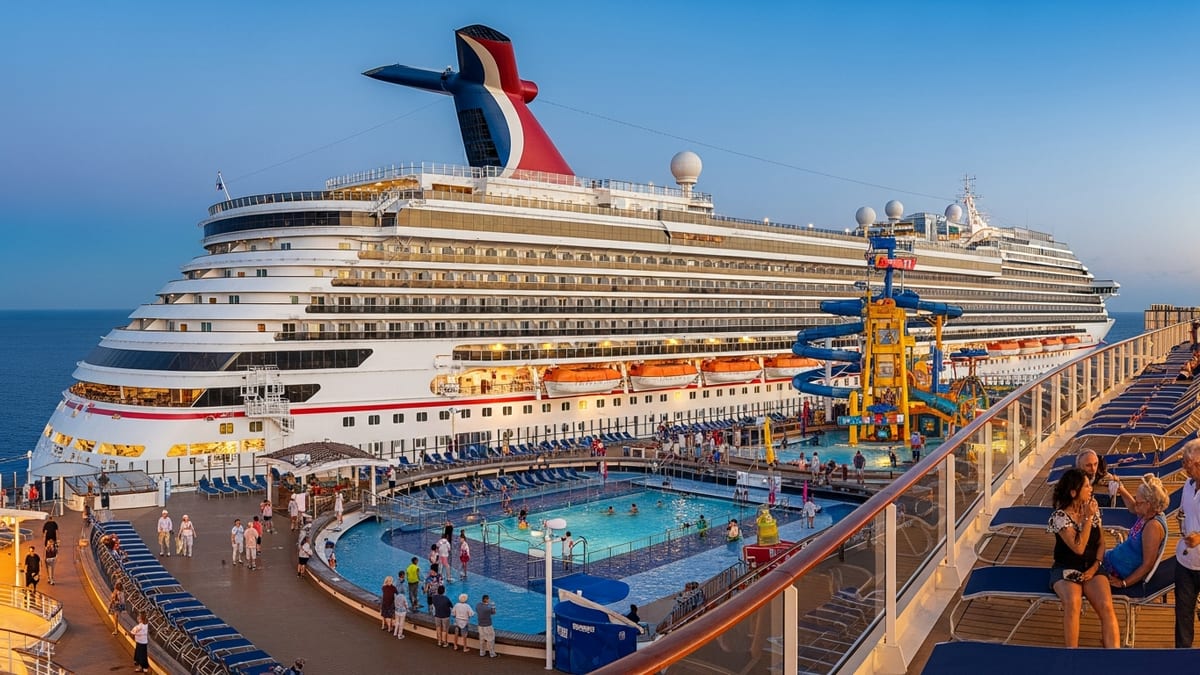
A Multi-Year Culinary Roadmap Across the Fleet
Publicly available information shows that The Next Course is designed as a multi-year program that reaches beyond any single ship. The initiative combines new dining venues, refreshed menus, and beverage concepts rolling out across the existing fleet, while also defining the culinary blueprint for upcoming ships such as Carnival Festivale, scheduled to debut in 2027, and Carnival Tropicale, expected in 2028.
According to Carnival’s announcement, the program aims to broaden the range of experiences available within the same overall “Fun Ship” framework, rather than positioning food as a separate, ultra-luxury product. That approach aligns with broader industry trends in which cruise lines are using food to differentiate brands while keeping core offerings accessible to a wide range of travelers.
Reports indicate that The Next Course builds on recent updates to main dining room menus, curated with input from Chief Culinary Officer Emeril Lagasse, as well as the expansion of specialty options such as Italian venue Il Viaggio and seafood-focused concepts. The new umbrella program is described as a way of integrating these moves into a clearer, more cohesive strategy.
Industry coverage also suggests that the timing of the initiative dovetails with Carnival’s ongoing fleet changes, including the integration of former P&O Cruises Australia ships as Carnival Adventure and Carnival Encounter. Those vessels are expected to benefit from the same culinary framework as the rest of the fleet, giving the brand a more unified food identity in North America and Australasia.
New Restaurants, Bars and Signature Concepts
The Next Course places a strong emphasis on named venues that can serve as culinary landmarks across the Carnival portfolio. On future ships, new-to-brand restaurants are planned to showcase distinct regional cuisines and themed experiences, from contemporary Italian to French-inspired dining paired with live music atmospheres.
Information released by the line describes several of these venues as destination-style restaurants, designed to feel different from the main dining rooms and buffet. The concepts are expected to blend à la carte service with curated tasting menus, mirroring trends in land-based dining where travelers look for experiences that feel both special and approachable.
The bar program is also set for expansion, with new lounges and beverage concepts tied thematically to the restaurants they support. That includes enhanced wine and cocktail offerings tailored to each venue’s cuisine, as well as updated beverage menus in existing bars across the fleet. Industry observers note that this allows Carnival to appeal to guests seeking more sophisticated drink options while still keeping familiar favorites available.
Alongside these headline concepts, Carnival’s information highlights incremental changes that can have a visible impact day to day, such as expanded grab-and-go stations, more diverse quick-service options on open decks, and refreshed dessert selections. These additions reflect the way many guests actually dine at sea, moving between sit-down meals and casual venues throughout the day.
Fleetwide Menu Evolution and Celebrity Chef Influence
The Next Course follows several years of onboard testing and phased rollouts of new dining room menus. Carnival has already introduced expanded selections of globally inspired dishes, vegetarian options, and premium upgrades in its main restaurants, with reports indicating that these changes are being refined as more ships adopt the new lineups.
Central to this evolution is the role of Emeril Lagasse, who holds the title of Chief Culinary Officer for the brand. Previous coverage has detailed how menus developed in partnership with Lagasse and the Carnival culinary team are intended to balance international flavors with comfort dishes that have long been popular with the line’s repeat guests.
Carnival’s specialty offerings, including venues developed with noted chefs such as Rudi Sodamin, are positioned as complements to this broader refresh. Under The Next Course, these restaurants serve as testing grounds for more adventurous flavors and presentations that can influence future menu updates elsewhere on the ship.
Travel industry reports suggest that the company is also paying close attention to how guests move between included and extra-charge venues. The new program is expected to maintain a substantial range of included options, while using targeted surcharges for highly specialized experiences such as chef’s table events and intimate tasting menus.
Sustainability, Food Waste and Smarter Operations
The Next Course is being launched against the backdrop of Carnival Corporation’s wider efforts to reduce food waste and improve the efficiency of its culinary operations. A corporate fact sheet on the group’s “Less Left Over” strategy highlights the use of data-driven planning, more precise purchasing, and improved portioning to cut waste while still offering abundant choice.
According to those materials, the company has already reported a significant reduction in food waste across its brands since 2019, attributing progress to technology, analytics, and training. Aligning new menus and restaurant concepts with those tools allows the line to fine-tune how much food is prepared for each sailing without undermining the perception of variety.
Observers note that cruise travelers are increasingly aware of sustainability issues, including what happens to uneaten food on large ships. By pairing The Next Course’s visible enhancements with behind-the-scenes efficiency measures, Carnival can present culinary upgrades as part of a broader environmental and operational narrative.
Industry analysis also points out that smarter provisioning supports cost control at a time of rising ingredient prices. This, in turn, may give the line more room to invest in higher-quality items and specialized products for its premium menus, particularly on longer itineraries and special themed voyages.
Competitive Context and Growing Demand for Culinary Travel
The launch of The Next Course comes as cruise operators across segments are expanding their food and beverage offerings to meet growing demand for culinary-led travel. Premium and luxury brands within the same corporate group, as well as competitors in the broader market, have introduced chef partnerships, regional tasting menus, and food-focused shore experiences in recent seasons.
Recent trend reports on cruise food and beverage indicate that guests are seeking more authentic and hyper-local flavors, as well as immersive experiences that connect shipboard dining with ports of call. Carnival’s program appears to lean into this direction, with an emphasis on menus and venues that reference specific cuisines and culinary traditions rather than generic “international” food.
Travel media coverage suggests that the competitive landscape has made food a key differentiator in travelers’ choice of cruise line and ship. While Carnival has long promoted its casual, approachable dining style, The Next Course signals an effort to show that the brand can deliver more nuanced culinary experiences without abandoning its core identity.
As The Next Course rolls out in stages, guests are likely to see a mixture of subtle changes and headline-grabbing new openings. For Carnival, the challenge will be maintaining consistency across a large, evolving fleet while still allowing individual ships and regions to showcase their own culinary character.