


More news on this day
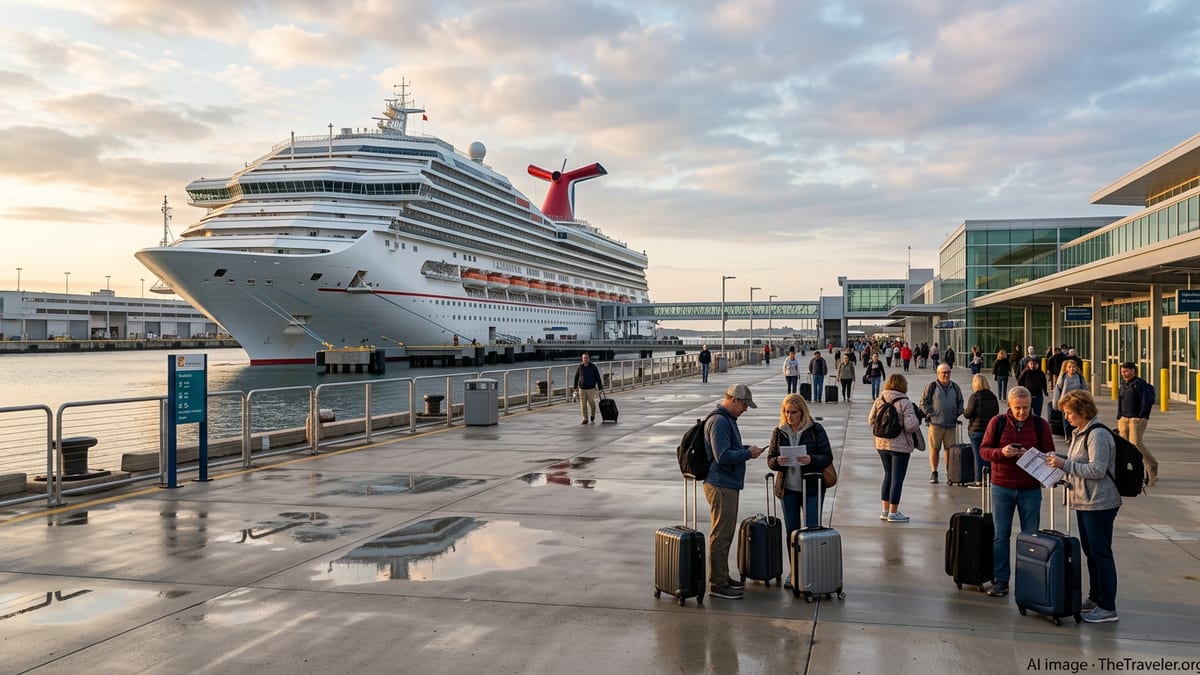
Carnival Splendor’s much‑anticipated 10‑night New Zealand cruise scheduled for October 12, 2027 has been quietly withdrawn from sale, with publicly available information indicating the sailing has been cancelled due to a full‑ship charter, leaving booked guests weighing new travel plans and compensation options.
Get the latest news straight to your inbox!
Popular 2027 New Zealand Journey Removed From Schedule
The cancelled voyage was part of Carnival’s longer “Journeys” program, marketed to Australian cruisers as an immersive round‑trip escape from Sydney to some of New Zealand’s headline ports. The itinerary was due to depart White Bay on October 12, 2027 for 10 nights, visiting destinations such as Napier, Tauranga, Auckland and the Bay of Islands before returning to Sydney.
Travel industry coverage notes that this specific sailing has been removed from consumer booking engines and is no longer listed among Carnival Splendor’s open 2027 departures. Other Splendor cruises in early and late 2027, including shorter coastal getaways and South Pacific runs from Sydney, continue to appear for sale, underlining that the change is targeted to one voyage rather than a wider deployment shift.
The decision has surprised some guests who had locked in the cruise as a bucket‑list style spring getaway to New Zealand. Many had booked well in advance, encouraged by the longer sea days and the chance to combine marquee urban ports with scenic cruising along New Zealand’s coast.
While only one date is affected, the cancellation adds to a broader pattern of long‑range tweaks across cruise calendars as lines refine their 2027 deployment, layering charters, new ships and dry docks into schedules that were first published several years out.
Full‑Ship Charter Behind Sudden Cancellation
According to cruise trade reporting, Carnival has attributed the cancellation to a full‑ship charter that will take over the entire Carnival Splendor for that October 2027 period. In practical terms, a charter means a single organization or event operator reserves all cabins and meeting spaces, typically for themed voyages, corporate programs or large private celebrations.
Full‑ship charters are relatively common across the cruise sector and are often arranged years in advance. However, they can disrupt previously published itineraries if the charter is finalized after individual passengers have already booked. In these situations, cruise lines typically remove the affected departure from sale and notify booked guests that their reservations are being cancelled or moved.
In this case, published information indicates that Carnival has chosen to prioritize the charter, prompting the withdrawal of the 10‑night New Zealand journey from public inventory. Other sailings on Splendor around that timeframe remain open, suggesting the ship itself is not leaving the region and that operational factors such as redeployment or technical work are not the primary cause.
The charter explanation also aligns with broader industry trends. Australia‑based ships have become popular platforms for music festivals at sea, special‑interest theme cruises and incentive programs, all of which typically require full control of a vessel for a specific sailing window.
Refunds, Rebooking and Onboard Credit for Affected Guests
Reports on travel agency channels describe a familiar set of remedies being extended to passengers who had reserved the now‑cancelled departure. Guests are being offered the choice of a full refund of their cruise fare and pre‑purchased items, or the opportunity to rebook on a comparable itinerary.
Those who opt to move to another sailing are being given fare protection and a similar cabin category, along with a modest onboard credit in Australian dollars per stateroom to use toward dining, drinks, excursions or other onboard purchases. For many travellers, that added spending money can help offset the inconvenience of shifting flights, hotels or annual leave plans arranged around the original dates.
The compensation structure mirrors the approach Carnival has used in other recent schedule adjustments across its global fleet, where guests are typically presented with a clear choice between a straightforward refund or a rebooked trip sweetened with onboard credit. For long‑haul or once‑in‑a‑lifetime itineraries, some passengers may prefer to take the refund and reassess their options, especially if airfares or land stays need to be significantly altered.
Travel advisors are encouraging impacted guests to check their booking records and email communications promptly, particularly if the cruise was arranged through a third party. Acting early can increase the chances of securing preferred cabins on alternative New Zealand or South Pacific departures that are likely to see increased demand from displaced Splendor passengers.
What the Change Signals for Carnival’s Australia Program
Carnival Splendor is one of the anchors of Carnival’s Australian operation, sailing year‑round from Sydney and sharing the market with the recently rebranded Carnival Adventure and other seasonal deployments. Industry databases and local port schedules still show Splendor operating a full calendar of voyages across 2027, including coastal runs, barrier reef itineraries and shorter escapes from Sydney.
The selective removal of a single October 2027 sailing therefore appears to be a tactical adjustment rather than a sign of retreat from the region. At the same time, Carnival is reshaping its wider global footprint for 2027 and 2028, adding new ships such as Carnival Festivale in North America and adjusting deployments elsewhere, which can have ripple effects on how many longer journeys are offered from Australia in any given season.
For New Zealand specifically, capacity will still be available across multiple lines, but the loss of one extended Carnival Journeys departure slightly reduces the range of options for Sydney‑based cruisers seeking a 10‑night itinerary in the local spring shoulder season. Some observers note that as charters and newbuild introductions become more common, individual sailings several years out are increasingly subject to change.
Travel trade analysis also points out that lines are balancing demand for regular holidaymakers with the revenue and marketing benefits of hosting high‑profile charter events. In a competitive market, a single charter can sometimes generate more guaranteed income than a standard sailing, even if it means re‑accommodating previously booked guests.
Advice for Travellers With 2027 Bookings
For cruisers with reservations on any 2027 sailing, analysts recommend paying close attention to email notifications and booking portals, particularly as lines continue to fine‑tune schedules tied to new ship launches, dry docks and charters. While wholesale cancellations remain relatively rare this far out, isolated changes like the Carnival Splendor October 2027 charter underscore how long‑range plans can shift.
Passengers booked on other Splendor voyages in 2027 can take some reassurance from the fact that the ship’s broader program out of Sydney remains intact in publicly available schedules. However, experts suggest monitoring itineraries periodically for port swaps, date tweaks or small timing changes that often appear as operational details are finalized with local ports and tour operators.
Those directly affected by the cancelled New Zealand cruise may want to compare alternative itineraries before choosing between a refund and rebooking. Options may include similar New Zealand journeys on different dates, South Pacific sailings of comparable length from Sydney, or even itineraries on Carnival’s sister ships serving the region. For travellers whose vacation windows are fixed around school holidays or work commitments, locking in a replacement sailing early can help secure preferred cabin categories and pricing.
For now, Carnival Splendor’s 2027 program remains broadly robust in the Australia and New Zealand market, with the cancelled October departure standing out as a reminder that in the cruise industry, even long‑planned voyages can be reshaped by charters and strategic scheduling choices.