


More news on this day
Emergency and railroad crews in Morgan County, Tennessee, are continuing to monitor a recent Norfolk Southern freight train derailment as responders work to secure the site, manage remaining hot spots and reassure nearby rural communities along the Plateau.
Get the latest news straight to your inbox!
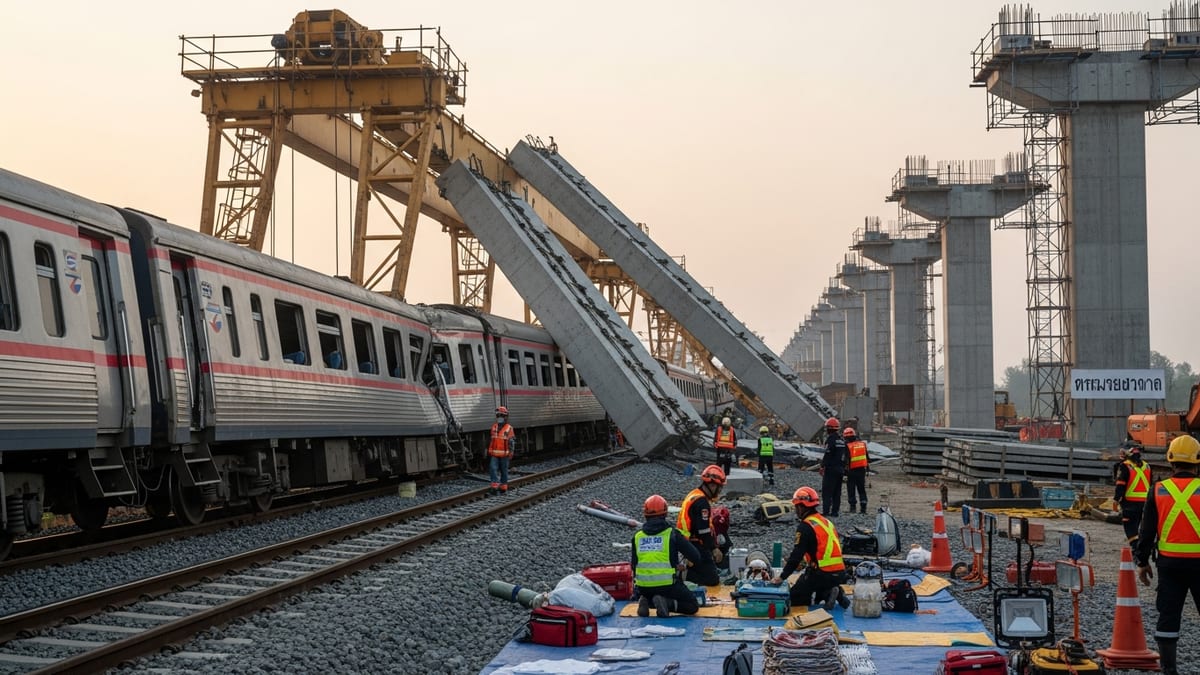
Derailment in Remote Morgan County Draws Major Response
The derailment occurred in a rugged section of Morgan County near the community of Lansing, where wooded hills and limited road access complicated the initial response. Published reports indicate that more than two dozen cars on a Norfolk Southern freight train left the tracks, creating a tangle of steel and triggering a fire that was still burning into the following day.
Images and video shared through local Tennessee outlets show thick smoke rising above the tree line, underscoring why emergency managers treated the incident as a major event despite the line’s relatively low passenger traffic. Publicly available information indicates that some residents in the immediate area were asked to leave their homes as a precaution while crews assessed what the derailed cars were carrying and how far the smoke and potential debris might spread.
Travel in the area was also affected, as rural roads leading toward the derailment site were restricted to responders and railroad personnel. For travelers using backroads across the Cumberland Plateau, detours and delays added unexpected time to otherwise quiet drives between Knoxville, Oak Ridge and smaller communities such as Wartburg.
Hazard Assessment and Air Monitoring Continue
According to published coverage, early concern centered on the contents of several derailed tank and freight cars and the possibility of hazardous materials contributing to the fire. Emergency management updates cited in local news reports emphasized that air monitoring was conducted around the site and in nearby residential pockets to check for potential health risks.
Public information from Tennessee emergency planning documents highlights that derailments involving unknown cargo often trigger layered precautions, from temporary evacuation zones to recommendations that residents close windows and limit outdoor activity until tests confirm that the air is safe. In Morgan County, reports indicate that officials leaned on those standard protocols while awaiting detailed cargo manifests and sampling results.
As of the latest updates, there have been no widely reported serious injuries linked to the derailment, and publicly available information suggests that any release of hazardous substances has been limited. Even so, air quality checks and soil monitoring are expected to continue around the site as crews remove damaged cars and disturbed ballast along the rail bed.
Rail and Road Disruptions for Travelers
While the incident unfolded in a sparsely populated area, the affected rail corridor is an active freight route that supports industry and commerce across the region. Rail operations along the line have been halted or restricted as heavy equipment moves in to re-rail cars, clear debris and rebuild damaged track. According to industry-focused reports, full rail service restoration can take days or longer in similar derailments, depending on the extent of track damage.
For travelers, the most visible impacts have been on nearby roads and backcountry access. Publicly available information shows that response vehicles, utility trucks and contracted cleanup crews have taken over small pullouts and intersections, narrowing lanes and occasionally closing segments to through traffic. Visitors headed for outdoor recreation on the Plateau, including hiking and camping areas that rely on the same local roads, may experience slower travel and should remain alert for flaggers, temporary signals and heavy trucks entering and exiting work zones.
Regional tourism organizations often advise travelers to allow extra time when passing near active emergency or cleanup operations. In situations such as the Morgan County derailment, that can mean building in a buffer for unexpected detours, being prepared to turn around when instructed and checking for local traffic advisories before setting out.
Community Concerns and Communication Efforts
The derailment has heightened concerns among residents about freight rail safety in rural Tennessee, especially in areas where tracks run close to homes, small businesses and ridgeline roads. Coverage from local broadcasters and newspapers reflects questions about what the train was carrying and how quickly communities are notified when something goes wrong on nearby tracks.
Public information from Tennessee emergency planning materials notes that local emergency management agencies are responsible for coordinating notifications, recommending evacuations or shelter-in-place actions and sharing updates with the public. In practice, that often occurs through social media feeds, local radio and television, and coordination with county leaders who are familiar faces in small communities.
In Morgan County, residents have turned to local outlets and community networks for information about road access, air quality checks and the projected length of cleanup operations. With crews still on-site, visible progress such as the removal of damaged cars and a decline in smoke plumes can help ease anxiety, even as longer-term questions about rail safety and hazardous cargo policies continue to draw attention.
What Travelers Should Know When Passing an Active Derailment Site
For travelers who may be driving near the Morgan County derailment or along other routes affected by rail incidents, transportation safety guidance provides several practical considerations. Publicly available emergency planning guides for train derailments recommend following detour signs, respecting barricades and avoiding the temptation to stop for photos or drone footage near an active response or cleanup zone.
Hazard planning documents from Tennessee and other states also emphasize that smoke and airborne particles can travel unpredictably in hilly terrain. Travelers are advised to keep vehicle windows closed, switch cabin air systems to recirculate when passing a visible plume and avoid lingering in pullouts downwind of an incident. If a shelter-in-place or evacuation advisory is in effect for a given area, drivers are generally directed to move beyond the affected zone before stopping for fuel, food or lodging.
As the Morgan County cleanup moves into a more routine phase, the derailment serves as a reminder that even remote segments of track can have ripple effects for local travel and tourism. For visitors exploring Tennessee’s Cumberland Plateau, checking local advisories and remaining flexible with routing can help ensure that a scenic drive stays safe, even when crews are still at work just beyond the tree line.