


More news on this day
China has surged back to the top of Thailand’s tourism league table in 2026, overtaking Russia, Malaysia, India, South Korea, Singapore and Japan as the single largest source of visitors and spending, according to recently released arrival data and updated forecasts.
Get the latest news straight to your inbox!
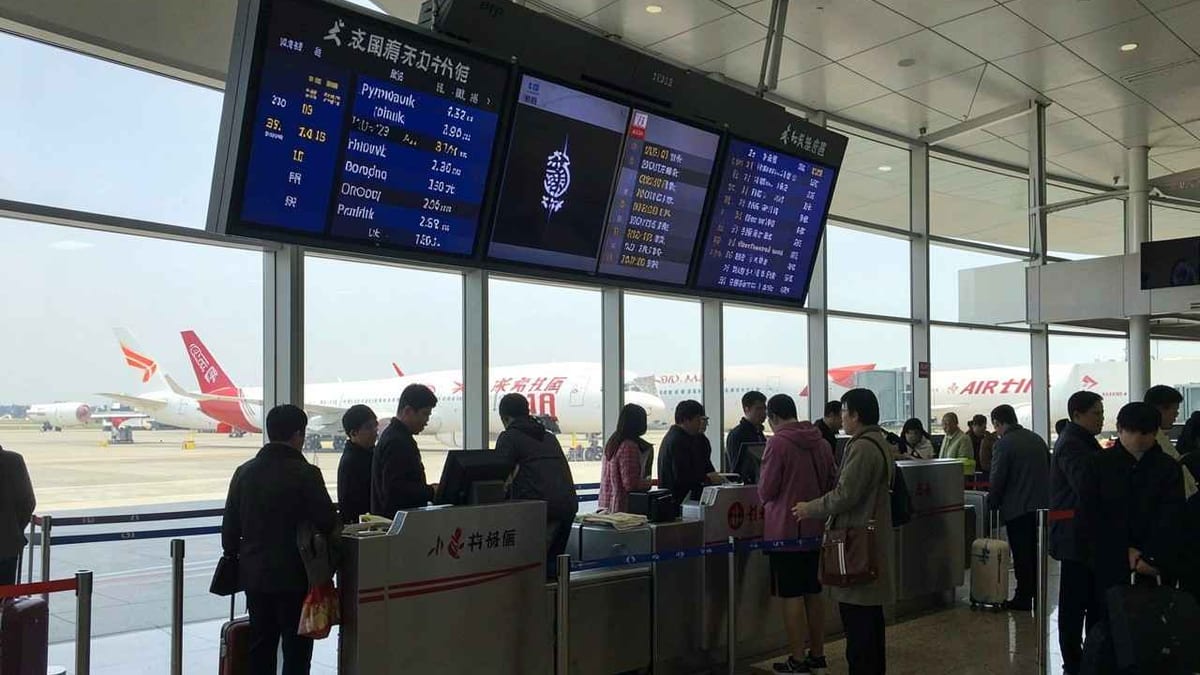
China Pulls Ahead as Thailand’s Largest Tourism Market
Publicly available figures for the first months of 2026 show China firmly back in pole position as Thailand’s dominant source market. Tourism Authority of Thailand data for the first quarter indicate that China delivered around 1.49 million visitors, ahead of Malaysia, Russia and India, putting Chinese travelers back at the center of the country’s tourism rebound narrative.
Updated projections for the full year suggest that the gap will widen as 2026 progresses. Revised outlooks now point to between 6 and 7 million Chinese arrivals, a sharp increase on 2025 and a level that clearly separates China from other short haul and long haul markets. While Malaysia, Russia, India, South Korea, Singapore and Japan remain important contributors, none is expected to match China’s absolute volume or aggregate spending power this year.
The trend marks a clear reversal from the post pandemic transition period, when slower Chinese outbound recovery allowed Malaysia to briefly top weekly and quarterly charts. With visa free travel, expanded air connectivity and targeted marketing campaigns aimed at Chinese families and free independent travelers, Thailand is now repositioning China as the anchor of its “New Thailand” tourism strategy.
Bangkok Flight Networks and Five Star Hotels Ride the Wave
The resurgence of Chinese demand is already reshaping air services into Bangkok. Airlines based in mainland China have been steadily rebuilding their schedules into Suvarnabhumi and Don Mueang, reinstating routes from secondary cities and increasing frequencies on trunk lines from Beijing, Shanghai, Guangzhou and Chengdu. Additional charter and seasonal flights tied to Chinese festivals and school holidays are further boosting capacity during peak periods.
Airports of Thailand traffic snapshots for early 2026 highlight double digit growth in arrivals from China compared with the previous year, even as some other markets remain flat or only modestly higher. This is helping to push passenger throughput at Bangkok’s main gateway closer to pre pandemic levels, supporting recently completed terminal expansion and bolstering hub connectivity for onward travel to Phuket, Chiang Mai, Krabi and the Gulf islands.
On the ground, Bangkok’s five star hotel sector is benefiting from a renewed influx of higher spending Chinese guests. Industry reporting points to rising occupancy and stronger average daily room rates at riverfront and central business district properties, particularly those that offer Mandarin language services, Chinese mobile payment platforms and curated shopping or dining packages. New luxury developments scheduled to open later in the decade are being planned with this demand in mind, reinforcing Bangkok’s role as an urban gateway for Chinese visitors before they disperse to beach and cultural destinations.
Cultural Icons and Bucket List Routes See Chinese Demand Rebound
Thailand’s best known cultural and bucket list attractions are also feeling the impact of China’s renewed dominance. Visitor counts at the Grand Palace and Wat Pho in Bangkok, the ancient capitals of Ayutthaya and Sukhothai, and heritage districts in Chiang Mai and Chiang Rai have all seen a marked rise in group tours and independent travelers from China, especially around Lunar New Year and China’s extended holiday periods.
Tour operators report that classic multi destination itineraries, such as Bangkok Ayutthaya Chiang Mai routes and Bangkok Phuket or Krabi combinations, are once again in high demand among first time Chinese visitors. At the same time, repeat travelers are showing greater interest in deeper cultural experiences, including temple stays, traditional craft workshops and regional food tours that move beyond the standard sightseeing circuit.
The influence of Chinese social media and online travel platforms is amplifying the trend. Viral itineraries that pair Bangkok’s night markets and rooftop bars with sun rise visits to historic temples or island hopping in the Andaman and Gulf of Thailand are circulating widely, helping to convert interest into bookings and further entrenching Thailand’s position on Chinese bucket lists.
Adventure and Nature Tourism Pivot Toward the Chinese Market
Adventure and nature based experiences are emerging as another growth frontier driven by Chinese demand. Destination reports highlight rising bookings from Chinese travelers for diving and snorkeling around Phuket, Phang Nga and the Similan Islands, trekking and soft adventure in the northern highlands, and wellness oriented retreats that combine hiking, cycling and spa treatments.
Sustainable and community linked tourism products are being tailored for this market as Thailand pursues a “value over volume” strategy. Local operators in Chiang Mai, Mae Hong Son, Nan and Trang have begun to package small group activities such as guided forest walks, coffee farm visits and mangrove conservation excursions with interpretation in Mandarin. These offerings aim to attract higher spending Chinese visitors who are willing to travel beyond the primary resort zones.
Industry analyses note that younger Chinese travelers, particularly Millennials and Gen Z, are proving receptive to these experiences. Their interest in outdoor recreation, photography friendly landscapes and authentic local culture is encouraging provincial destinations to refine safety standards, digital information and transport connectivity to better serve this fast growing segment.
Thailand Bets on High Value Chinese Travel to 2026 and Beyond
Even as headline forecast numbers for total foreign arrivals in 2026 have been revised moderately downward in response to global economic headwinds and higher oil prices, Thailand’s tourism planners continue to single out China as the pivotal market for both volume and value. Policy documents and public statements emphasize that future growth from China should be aligned with higher average spending, longer stays and more diversified itineraries that spread benefits beyond the main hotspots.
To that end, national campaigns are positioning Thailand as a safe, hassle free and premium experience for Chinese visitors, with a focus on digital convenience, language friendly services and upgraded infrastructure at airports and major attractions. Joint promotions with airlines, online travel agencies and payment platforms aim to lock in Thailand’s renewed lead over regional competitors such as Malaysia, Singapore, Vietnam and Japan, which are all vying for the same outbound market.
The combination of visa free entry, dense air connectivity from Chinese cities to Bangkok and secondary Thai hubs, and a broad portfolio of products from five star urban luxury to remote adventure gives Thailand a strong platform as 2026 unfolds. With China once again outpacing Russia, Malaysia, India, South Korea, Singapore, Japan and other key markets, the kingdom’s tourism fortunes are closely tied to how effectively it can convert this dominance into sustainable, high quality growth in the years ahead.