


More news on this day
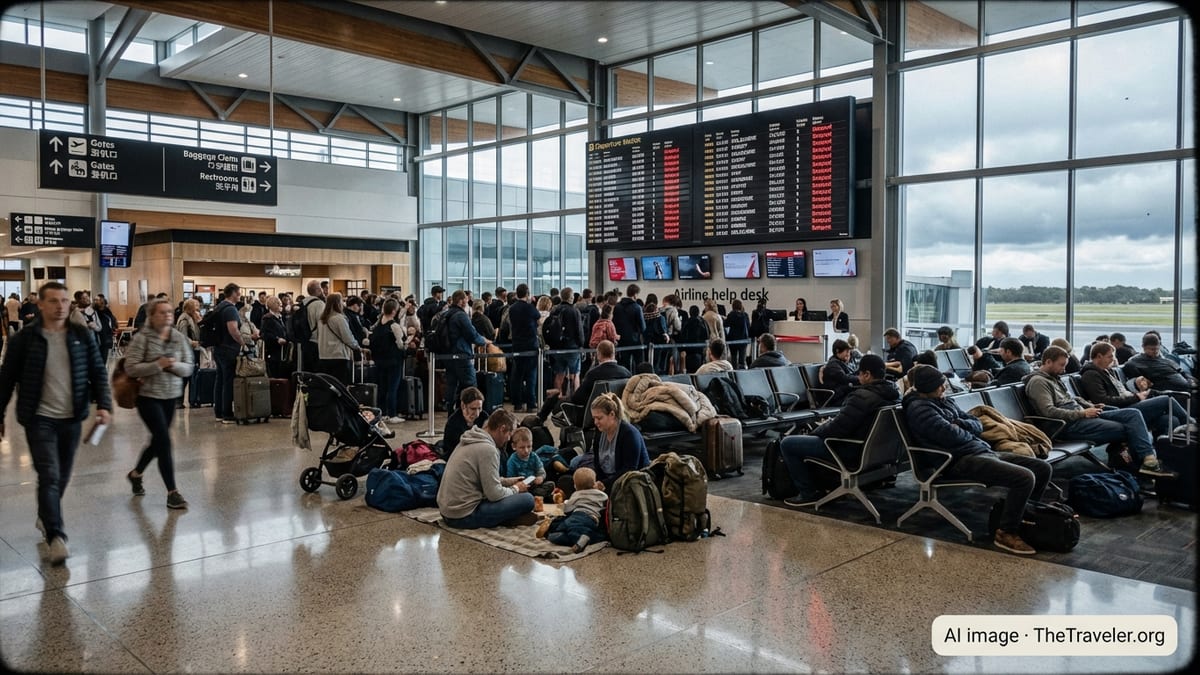
Thousands of passengers across Australia are confronting a fresh wave of cancellations and extensive delays on Qantas and Jetstar services, as operational bottlenecks and schedule changes ripple through key domestic and trans-Tasman routes and trigger mounting frustration at major airports.
Get the latest news straight to your inbox!
Wave of Disruptions Hits Key Domestic and Trans-Tasman Routes
Published data from independent flight trackers and aviation industry coverage on 12 June 2026 indicate that Qantas and Jetstar are experiencing elevated levels of disruption across major Australian gateways, including Sydney, Melbourne and Brisbane. The pattern includes same-day cancellations on selected services and a high volume of flights operating with significant departure or arrival delays.
Recent analysis compiled from FlightAware data and reported by specialist travel outlets describes a spike of more than 50 cancellations and several hundred delays affecting services run by Qantas, Jetstar and their regional affiliates, as well as partner airlines on trans-Tasman routes. The disruption has produced rolling knock-on effects across morning and evening peaks, complicating crew and aircraft rotations and extending the impact beyond the originally affected flights.
Live status boards on consumer platforms for flights such as Jetstar’s Sydney to Gold Coast and Qantas services from Sydney to New Zealand show revised departure times and late arrival estimates, underscoring how widespread the delays have become. The situation follows several earlier episodes of schedule instability reported in late May and early June, when weather, staffing constraints and air traffic control issues converged to push punctuality well below normal averages.
While Australia’s other major carriers are also experiencing operational pressure, publicly available performance comparisons from regulators and market watchdogs show that Qantas in particular has recorded higher cancellation rates than some rivals over recent reporting periods, with Jetstar also encountering volatility at peak travel times. The latest disruption is therefore unfolding against a backdrop of heightened scrutiny of both brands’ reliability.
Passenger Frustration Mounts Amid Confusion at Airports
Across social media platforms and travel community forums, passengers are describing long queues at Sydney, Melbourne and Brisbane terminals, along with repeated gate changes and last-minute updates to departure times for Qantas and Jetstar flights. Some travelers report waiting at gates for hours before learning that their services have been delayed or re-timed, while others recount late-night cancellations that forced unexpected overnight stays.
Accounts shared online detail inconsistent communication between digital channels and airport displays, with app notifications, email alerts and signage at times showing different timings for the same flight. This has contributed to confusion about whether to remain at a gate, move to a different concourse or attempt to rebook proactively. For families, older travelers and those with tight connection windows, the lack of clear, timely information is emerging as a major source of stress.
Reports also indicate that customer service desks and call centers are being heavily stretched. Travelers trying to speak with airline staff about rebooking options or compensation describe waits stretching from 45 minutes to several hours, reflecting the volume of affected itineraries and the complexity of re-accommodating passengers on already busy routes.
Travel commentators note that this latest disruption is amplifying long-running dissatisfaction among some frequent flyers who say they have experienced repeated issues on Qantas and Jetstar in recent years. While many acknowledge that weather and air traffic constraints are beyond an airline’s direct control, frustration is increasingly focused on perceived gaps in real-time communication and the speed of problem-solving when things go wrong.
Rebooking Headaches and Limited Same-Day Alternatives
The scale of the cancellations and late-running flights has created a challenging environment for passengers attempting to secure alternative travel on the same day. On trunk routes such as Sydney to Melbourne and Brisbane to Melbourne, peak time services often operate close to capacity, leaving little spare seat inventory when flights are abruptly removed from the schedule.
Publicly available reports on current disruption patterns show that some passengers are being shifted to services departing many hours later, while others are rebooked onto the following day’s flights. This is particularly problematic for travelers heading to major events, business meetings or onward international connections, who may find that a rebooked itinerary no longer meets their timing needs.
Consumer-facing aviation advisories circulated in May and June suggest that, during periods of disruption, affected passengers should closely monitor their booking portals and airline apps for schedule changes and consider contacting customer support proactively if critical commitments are at risk. However, with call volumes elevated and airport service counters busy, acting quickly does not always translate into a rapid resolution.
Travel insurance providers and passenger rights advocates are reminding travelers to keep documentation of delays, cancellations and out-of-pocket expenses such as accommodation and meals. While compensation policies differ between domestic and international segments and vary by airline and fare type, clear records generally strengthen any later claims related to disrupted journeys.
Underlying Pressures on Qantas and Jetstar Operations
The latest round of disruptions is emerging as Qantas Group works through broader network and fleet adjustments. Publicly filed market updates in May 2026 flagged extended schedule changes into the first quarter of the 2027 financial year, reflecting aircraft maintenance programs, fleet redeployments and ongoing staffing calibration following the pandemic and subsequent demand rebound.
Recent regulatory and competition reports on the domestic market have highlighted that heightened cancellations for Qantas in particular have been linked to issues such as aircraft availability, engineering requirements and congestion at Sydney Airport during busy travel periods. Jetstar, which operates a lean low-cost model, can be especially vulnerable to ripple effects when one aircraft or crew pairing falls out of position, given the tight turnarounds built into its timetable.
Industry observers also point to broader structural pressures across the Australian aviation system, from persistent engineering workforce shortages to air traffic control staffing constraints that have periodically forced flow restrictions at major hubs. When these factors combine with seasonal weather systems or fog events, the network can quickly become stressed, magnifying the impact of any single disruption.
At the same time, Qantas and Jetstar are preparing for major strategic shifts, including new services from Western Sydney International Airport and the redeployment of aircraft from shuttered regional units. Analysts suggest that juggling long-term growth projects with day-to-day operational stability may be contributing to the current fragility in schedules, particularly during peak travel windows when demand is strongest.
What Travelers Can Expect in the Coming Days
Given the scale and complexity of the current disruption, travel experts anticipate that the knock-on effects for Qantas and Jetstar schedules could persist for several days, even if no further major weather or air traffic incidents occur. Recovery typically depends on returning aircraft and crew rotations to their planned pattern, a process that can take multiple cycles on heavily trafficked domestic and trans-Tasman routes.
Passengers with upcoming bookings on either airline are being urged in public advisories and media coverage to check their flight status repeatedly in the 24 hours before departure, rather than relying solely on initial confirmation emails. Same-day monitoring is especially important for early morning departures and late-night services, which can be vulnerable when residual delays from previous rotations are still working through the system.
Industry commentary stresses that flexibility is likely to be an asset for travelers over the short term. Those able to accept alternative airports, off-peak flight times or routing via a different city may have better chances of securing a workable itinerary when their original service is cancelled or heavily delayed. Conversely, passengers tied to specific timings or connections should prepare for the possibility of extended wait times at airports and explore contingency plans where feasible.
With Qantas and Jetstar both facing continued scrutiny from regulators, consumer groups and the traveling public, the current episode of widespread cancellations and massive delays is expected to feed into broader debates about airline reliability, staffing strategies and investment in resilient operations across Australia’s aviation network.