


More news on this day
One week after a freight train derailed above Richmond’s Kanawha Canal, cleanup crews remain on site along Dock Street, removing spilled grain, repairing damaged tracks and working to fully reopen one of the city’s busiest recreation corridors.
Get the latest news straight to your inbox!
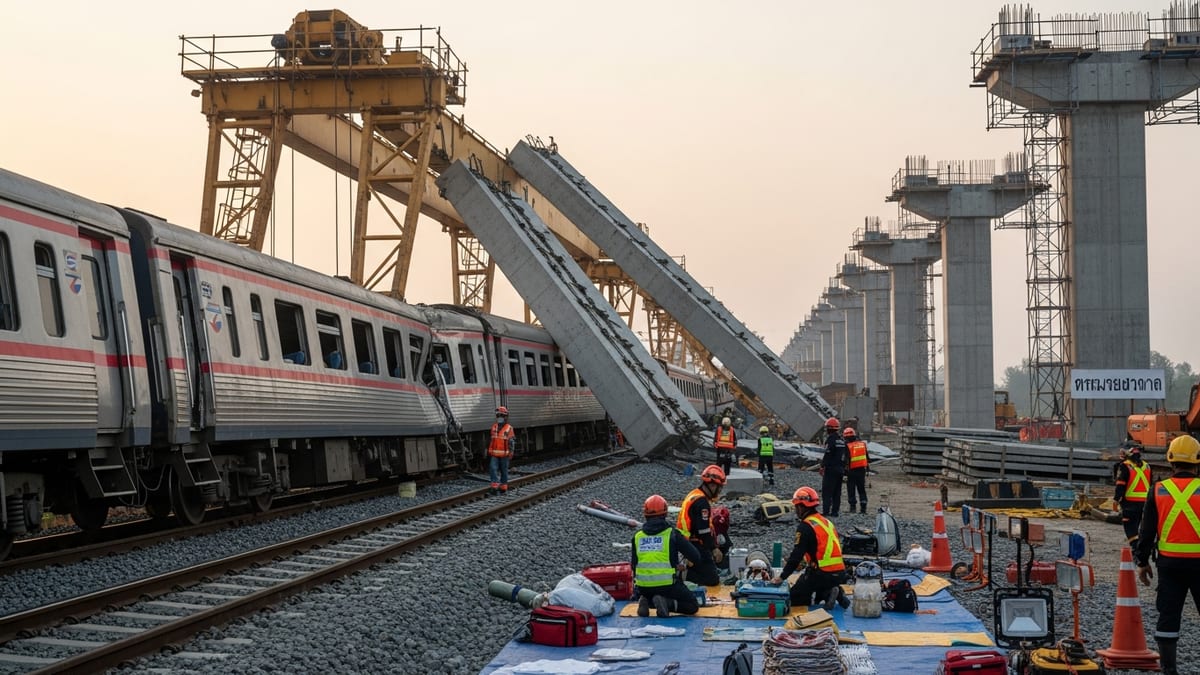
Ongoing work along Dock Street and the Canal Walk
Publicly available information shows that a roughly 200-car CSX freight train derailed on the elevated rail line near Dock and 20th streets on July 3, sending several grain cars off the viaduct and into the Kanawha Canal below. Initial reports from local outlets described a dramatic scene over the Canal Walk, a popular downtown path that parallels the James River and connects riverfront attractions.
In the week since, updates from the city indicate that crews have removed the derailed railcars from the site but remain focused on clearing residual grain and debris from the canal and the right-of-way. Heavy equipment and cranes have been operating along the narrow corridor, requiring staged closures of nearby streets as work progresses.
According to published coverage, Dock Street and sections of the Virginia Capital Trail and Canal Walk have stayed closed or partially restricted while work zones shift. Barriers, fencing and traffic detours continue to guide drivers, cyclists and pedestrians away from the most active cleanup areas, and the city has advised travelers to allow extra time when moving through the riverfront.
Track repairs and inspection of the elevated structure
City news releases and regional television reports indicate that CSX and contracted crews are concentrating on track repairs and inspections of the elevated structure now that the wrecked cars have been cleared. The derailed train was traveling on a long, elevated stretch of track that runs parallel to Dock Street, a critical freight corridor that also affects nearby passenger rail movements.
Public statements and coverage suggest that damaged rails, ties and ballast are being replaced, while track geometry and alignment are being checked before regular traffic resumes at normal speeds. Similar to other recent derailments across North America, this phase of work is expected to continue beyond the initial cleanup as engineers review the condition of the viaduct and surrounding infrastructure.
Reports indicate that rail traffic has been moving through Richmond on adjusted schedules, with some freight routes modified and earlier passenger service disruptions gradually easing. However, the elevated segment over the canal remains a focal point for safety inspections, and additional slow orders or operating limits may stay in place until assessments are complete.
Environmental monitoring around the Kanawha Canal
Because the derailed cars were loaded with grain rather than hazardous materials, early coverage emphasized that the incident did not create the kind of toxic plume seen in past chemical derailments. Even so, the location above a canal connected to the James River has kept environmental cleanup at the center of the response.
Information released by the city and summarized in local news reports indicates that crews are vacuuming or excavating spilled grain from the canal bed and adjacent banks to prevent long-term impacts on water quality and aquatic life. Grain can decompose in water, reducing oxygen levels and contributing to odors or algae growth if large quantities remain.
Updates from Richmond’s utilities and emergency services pages show that agencies are coordinating water sampling and visual inspections as debris is removed. This approach is consistent with federal guidance seen in past derailment cleanups, where initial mechanical removal is followed by monitoring to catch any lingering effects once heavy equipment leaves.
Traffic, tourism and trail users adapt to closures
The derailment occurred at the start of a busy summer holiday weekend along the James River, a time when the Canal Walk, nearby parking lots and the Virginia Capital Trail typically draw heavy use from residents and visitors. According to regional coverage, the resulting closures have forced detours for cyclists, runners and tourists who regularly use the riverfront paths to reach downtown attractions and historic sites.
City advisories highlight detour routes that shift cyclists and pedestrians onto parallel streets or higher-ground sections of the Capital Trail while Dock Street access is constrained. For drivers, lane restrictions and temporary street closures near 20th Street have added congestion in a corridor already known for tight turns and limited parking.
Travel and tourism information sites focused on Richmond have begun advising visitors to check the latest city updates before planning riverfront outings, especially if trips rely on the Canal Walk or direct access to the riverfront parking areas near the derailment site. Businesses in the Shockoe Bottom and riverfront districts remain open, but some have encouraged customers to allow additional time for detours and parking changes.
Questions about rail safety and future improvements
While the Richmond derailment did not involve hazardous chemicals, its visibility over a popular pedestrian corridor has renewed public attention on rail safety in dense urban settings. Recent months have seen multiple freight derailments reported across the United States and Canada, and published analyses have pointed to aging infrastructure, longer trains and extreme weather as recurring concerns.
In Richmond, local coverage notes that the elevated tracks above Dock Street run close to apartments, offices, trail segments and high-traffic roadways. The sight of cars spilling into the canal has prompted fresh questions among residents and transportation advocates about inspection schedules, train lengths and whether additional protective barriers or structural upgrades are warranted along the viaduct.
According to national transportation and environmental reporting, post-incident investigations can take months, with preliminary findings often shaping future maintenance priorities and operating practices. For travelers following the story, the Richmond derailment has become another case study in how quickly a routine freight movement can ripple through local transportation, recreation and tourism when it intersects with a busy downtown waterfront.