


More news on this day
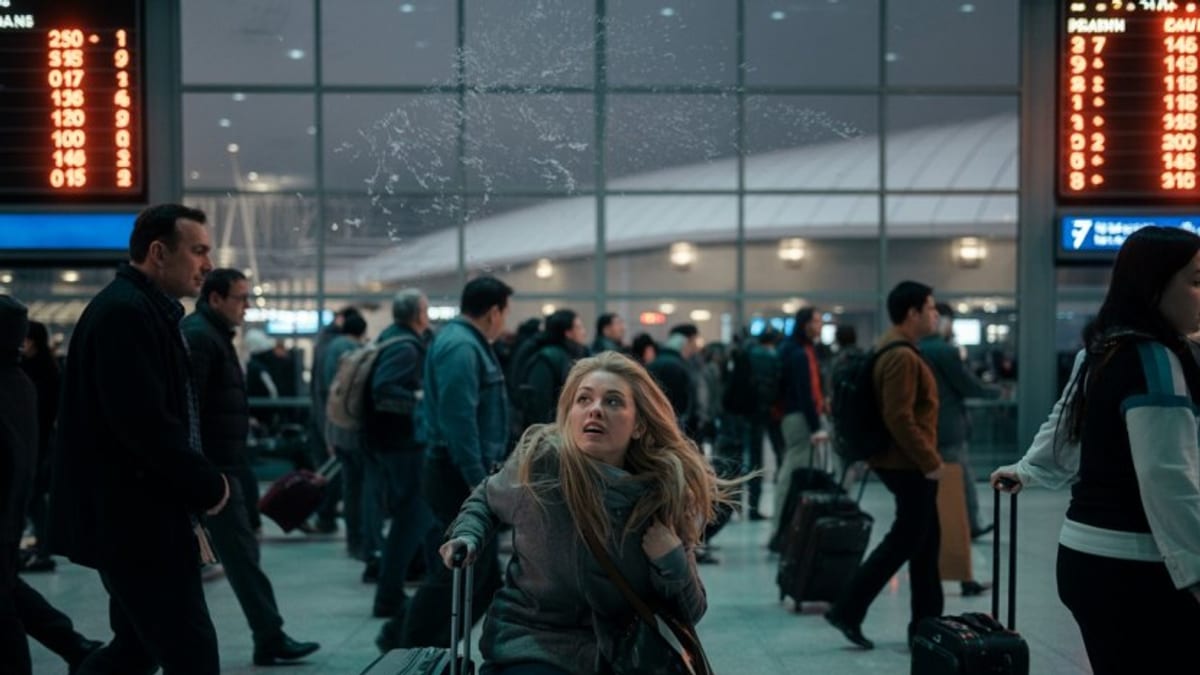
Travelers at Cleveland Hopkins International Airport faced a difficult start to the weekend as publicly available tracking data showed 44 flight delays and 5 cancellations affecting American, Southwest, United, Republic and PSA Airlines, disrupting connections across major hubs in the United States and Canada.
Get the latest news straight to your inbox!
Operational Snarls Hit Key Domestic and Transborder Routes
Flight status boards at Cleveland Hopkins reflected a patchwork of delayed and canceled departures linking the airport to Chicago, New York, Dallas, Washington and several Canadian destinations. Tracking platforms that compile live schedule information indicated that the combined disruptions for American Airlines, Southwest Airlines, United Airlines and regional affiliates Republic Airways and PSA Airlines reached 44 delays alongside 5 outright cancellations over the course of the day.
The pattern of disruptions appeared concentrated on high-frequency hub routes, including services to Chicago O’Hare and Midway, New York–area airports, Dallas–Fort Worth, and Washington–area fields that feed large connecting banks. Publicly available data also showed knock-on effects on cross-border services, with Cleveland’s role as a feeder into transborder networks creating additional complications for travelers heading to or from Canada.
Although Cleveland enjoyed clear local weather for much of Saturday, data from federal airspace monitoring and airport delay dashboards around the country pointed to broader congestion and ground-delay programs at several major hubs. Industry reports frequently highlight how even modest slowdowns at large airports can quickly cascade through regional networks, particularly for carriers that rely on tightly timed connections.
For many travelers departing Cleveland, the immediate impact was extended gate holds, rolling departure times and missed onward connections, with some journeys that would normally take a few hours stretching into all-day odysseys through the national air system.
Mainline Giants and Regional Feeders Share the Strain
American, Southwest and United, three of the largest operators at Cleveland Hopkins, all experienced measurable disruption, according to live tracking services that aggregate departure and arrival statistics. The data indicated that each carrier shouldered a mix of late departures and arrivals, while their regional partners Republic and PSA absorbed a disproportionate share of cancellations on shorter, feeder segments.
Industry analyses and historical on-time performance reports from the U.S. Department of Transportation consistently show that regional affiliates like Republic and PSA operate many of the thinner routes into congested hubs such as Chicago, New York and Washington. These flights are often the first to be trimmed or delayed when traffic-management initiatives are triggered, because they can be more easily rescheduled or consolidated than long-haul services.
Observers note that this structural reality can leave passengers on regional jets facing longer delays or abrupt cancellations even when long-haul flights on the same carriers continue operating. In practice, that can mean travelers departing Cleveland on smaller aircraft have fewer alternatives, particularly on routes where only one or two daily frequencies connect to a given hub or Canadian gateway.
The situation at Cleveland on Saturday mirrored several recent episodes at other U.S. airports where a combination of ground delays, crew-availability challenges and tightly scheduled fleets produced clusters of disruptions across multiple airlines on the same day.
Hub Congestion in Chicago, New York, Dallas and Washington Amplifies Problems
Data from airport delay monitoring platforms for Chicago O’Hare, Dallas–Fort Worth, Washington National and New York–area airports showed elevated congestion and, at times, extended taxi or takeoff queues. These conditions increase the likelihood that departures from Cleveland will be held at the gate, re-timed or rerouted to fit into constrained arrival flows at the destination.
When a major hub experiences a slowdown, airlines frequently adjust inbound traffic across their networks, which can result in holding aircraft at outstations like Cleveland even when local weather and operations appear normal. According to public dashboard data, O’Hare and other large fields have periodically posted average departure delays of more than an hour in recent weeks, underscoring how quickly bottlenecks can build once traffic volumes peak.
Passengers booked on American and United from Cleveland into these hubs were among those most exposed to Saturday’s disruptions, while Southwest’s point-to-point services linking Cleveland with Midway and other connections also registered late operations. For travelers hoping to continue onward to secondary U.S. cities or Canadian destinations, missed banks of connections frequently meant same-day rebooking challenges or the need to overnight en route.
Travel forums and social media posts from recent days have reflected mounting frustration among flyers facing similar patterns of rolling delays and sudden cancellations, particularly on short-haul routes that depend on precise bank structures at major hubs.
Knock-On Effects for Canadian Connections and International Links
While Cleveland’s non-stop international network remains relatively limited compared with larger coastal gateways, the airport plays a significant role as a feeder into broader transborder and long-haul networks operated by American, United and their partners. Published flight data shows that delays on Cleveland departures into Chicago, New York and other hubs can easily ripple outward to affect itineraries bound for Canadian cities and overseas destinations.
For example, travelers connecting in Chicago or New York for flights to Toronto, Montreal or western Canadian cities rely on carefully timed inbound services from Cleveland. When those feeder flights arrive late, passengers can miss onward departures that may operate only once or twice daily, resulting in lengthy rebooking queues and overnight stays. Similar dynamics apply to itineraries connecting through hubs in the northeastern United States for transatlantic services.
Regional carriers such as Republic and PSA, which operate many of the shorter Cleveland links under big-airline brands, play an outsized role in ensuring those connections work. Industry performance statistics have long shown that when regional segments falter due to congestion or scheduling challenges, downstream international and transborder itineraries become vulnerable, even if the long-haul aircraft and crews remain ready.
Saturday’s cluster of 44 delays and 5 cancellations at Cleveland highlighted how quickly seemingly isolated problems on regional legs can translate into missed opportunities for passengers traveling far beyond Ohio.
What Travelers Can Do When Disruptions Mount
Consumer advocates and experienced travelers emphasize a few practical strategies when confronted with a day like Saturday at Cleveland Hopkins. First, they recommend monitoring flights through multiple channels, including airline apps and independent tracking services, to verify whether a delay is localized or part of a larger pattern at a destination hub.
Public guidance from aviation regulators notes that passengers on significantly delayed or canceled flights should review their carrier’s contract of carriage to understand rebooking options, refund eligibility and any available assistance such as meal or hotel vouchers. Policies vary between American, Southwest, United and their regional partners, and they can differ depending on whether the disruption is categorized as within the airline’s control or linked to broader airspace constraints.
Frequent-flyer communities also advise travelers to consider alternative routings when hub congestion is widespread. In some cases, rebooking through a different connecting city or shifting to a later departure can provide a more reliable path than insisting on the next available seat into a heavily congested airport.
For passengers at Cleveland Hopkins on Saturday, those strategies offered limited comfort as the day’s 44 delays and 5 cancellations unfolded across American, Southwest, United, Republic and PSA operations, once again illustrating how fragile the complex web of U.S. and Canadian air travel can be when multiple stress points align.