


More news on this day
Passengers at Helsinki Vantaa Airport faced a difficult travel day on June 13 as Finnair canceled eight flights and reported a series of delays, disrupting connections between Finland and key destinations in Italy, Austria, Japan, Spain, the United States and other markets.
Get the latest news straight to your inbox!
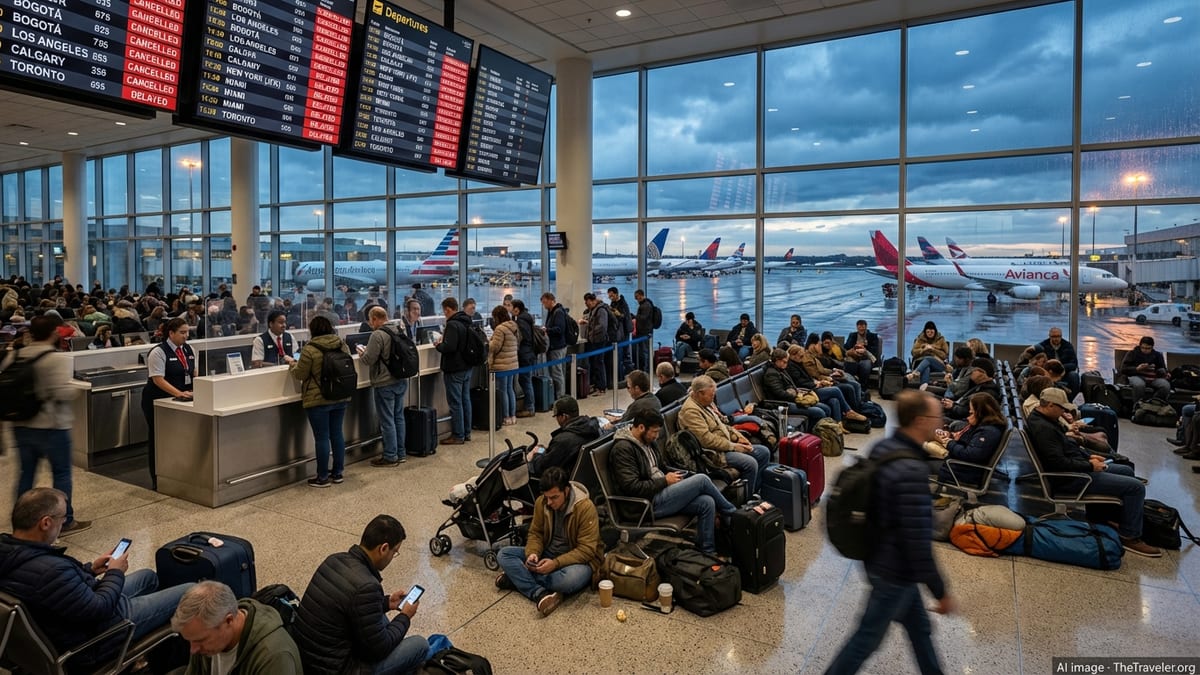
Widespread Disruption Across Key European and Long Haul Routes
Flight status boards at Helsinki Vantaa on June 13 showed a scattered pattern of delays and cancellations on Finnair services, affecting both short haul and intercontinental operations. Publicly available tracking data indicated irregular operations on routes connecting Helsinki with southern Europe, including services to Spain and Italy, alongside schedule changes on other intra European flights.
Long haul operations also appeared under pressure. Flights linking Helsinki with Asian hubs such as Tokyo and Osaka were subject to revised departure and arrival times, while transatlantic services connecting Finland with the United States showed knock on effects from earlier disruptions. These schedule changes narrowed connection windows and complicated onward journeys for passengers traveling through the airline’s Vantaa hub.
Reports from passengers and local media coverage described extended queues at check in and customer service points as travelers attempted to secure alternatives. The scale of the disruption meant many affected travelers were competing for limited seats on later departures, rerouted itineraries through other European hubs, or overnight accommodation around the airport.
Travelers Confront Missed Connections And Overnight Stays
The cancellation of eight Finnair flights on a single day had a particular impact on passengers relying on Helsinki Vantaa as a transfer point. Many itineraries from regional European cities and Nordic destinations are timed to meet long haul departures to Asia and North America, so even moderate delays can lead to missed connections.
On June 13, the combination of outright cancellations and rolling delays increased the risk that inbound passengers from cities such as Malaga, Vienna and other Mediterranean or central European gateways would arrive too late for onward flights. Travelers heading to Japan, the United States or further afield faced the prospect of being rebooked onto later services or rerouted via other alliance partners, extending overall journey times by many hours.
Reports indicate that some passengers were offered hotel accommodation around the airport, while others opted to continue their journeys via alternate European hubs including major airports in central and western Europe. For travelers with non flexible tickets, last minute changes meant navigating fare rules and availability constraints during a period of heightened demand.
Routes To Italy, Austria, Japan, Spain And The US Particularly Affected
Finnair’s network strategy relies heavily on funneling traffic through Helsinki between Europe and Asia, as well as operating a smaller portfolio of direct long haul services to North America. Disruption at the hub therefore tends to radiate outward along key corridors, particularly to popular leisure and business destinations in Italy, Austria, Spain, Japan and the United States.
On June 13, published flight data and travel industry monitoring showed schedule stress on services connecting Helsinki with major airports in these countries. Southern European holiday routes, especially those linking Finland with Spanish and Italian coastal cities, are typically operating near capacity in early summer, which limits the number of spare seats available to re accommodate passengers from canceled departures.
In the long haul segment, travelers heading to Japan and the United States faced more complex rebooking scenarios, as daily frequencies are lower and alternative carriers or routings may involve additional stops. According to publicly available information, some passengers elected to accept rerouting through other oneworld hubs, while others delayed their trips altogether when satisfactory alternatives could not be found on the same travel day.
What Passengers Are Entitled To Under EU Rules
For travelers affected by cancellations or long delays at Helsinki Vantaa, compensation and assistance are shaped by European passenger rights regulations. Public information from consumer authorities and airline documentation explains that, in many cases, travelers on canceled flights are entitled to choose between a refund of the unused portion of their ticket or rerouting to their final destination at the earliest opportunity.
When disruption results in long waits at the airport, passengers may also be eligible for so called care and assistance. This can include meals and refreshments proportionate to the delay, access to communication such as phone calls or emails, and hotel accommodation with transport between the airport and the place of lodging if an overnight stay becomes necessary.
Eligibility for financial compensation depends on the length of the delay on arrival, the distance of the flight and the reason for the cancellation or delay. If the airline can demonstrate that the disruption was caused by extraordinary circumstances outside its control, compensation may not be due, even though care and rerouting obligations still apply. Passengers are generally advised to retain boarding passes, booking confirmations and receipts for any out of pocket expenses when pursuing a claim.
Guidance For Travelers With Upcoming Finnair Flights
The events at Helsinki Vantaa on June 13 highlight the importance of close monitoring for anyone scheduled to travel on Finnair in the coming days. Travel industry guidance emphasizes checking flight status frequently through official airline channels and airport information screens, particularly in the 24 hours before departure.
Passengers with critical connections to long haul destinations, including Japan, Spain, Italy, Austria and the United States, may wish to build in additional buffer time at the hub or consider earlier feeder flights where possible. Those holding separate tickets on different airlines should be especially cautious, as missed onward flights in such cases are typically not protected by through ticketing arrangements.
For travelers who suspect their flight may be affected, publicly available advice suggests proactively exploring alternative routings and contacting the airline or travel agent before arriving at the airport, especially during peak travel periods. Having flexible accommodation and ground transport arrangements at the destination can also reduce the impact of last minute timing changes, particularly on complex multi city itineraries.