


More news on this day
Canadian National Railway has released an updated picture of recovery efforts and travel impacts following a recent freight train derailment on its network, offering new details on cleanup, track repairs and service disruptions as peak summer travel begins.
Get the latest news straight to your inbox!
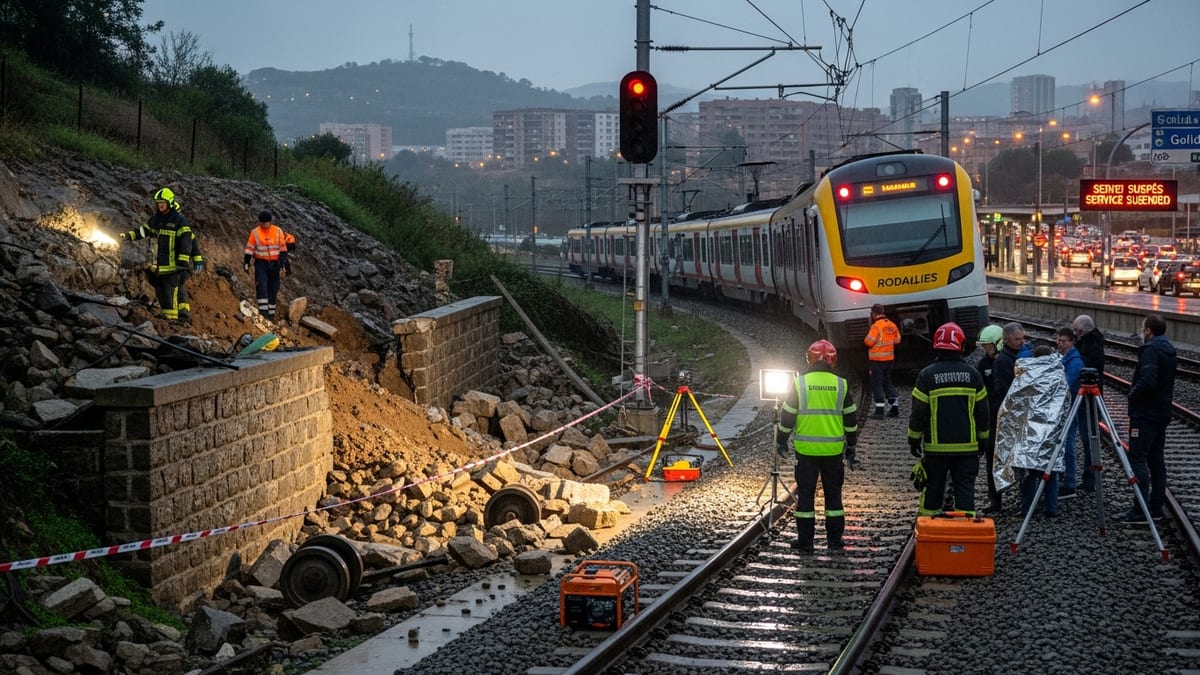
Latest Details on the CN Rail Derailment
Recent coverage indicates that Canadian National Railway has been managing several derailment incidents across its Canadian and cross-border network in 2026, including events in British Columbia, Ontario and near the Canada United States border. In its latest public updates and statements cited in news and industry reports, the railway has focused on a freight train derailment that forced track closures, complex recovery work and temporary detours for both freight and passenger services.
Reports describe one incident in western Canada where a CN train derailed after a mudslide along a remote stretch of track. Public information shows that the consist was not carrying dangerous goods, limiting environmental risk but still requiring a multi day track closure for inspection, rerailing work and slope stabilization. In another springtime case in southern Ontario, a CN freight train moving non hazardous products such as polyethylene derailed near an important passenger corridor, prompting an emergency response and extensive track repairs.
Regional media and rail community reports indicate that CN has been providing periodic progress updates while crews remove damaged cars, replace affected track and verify the integrity of nearby bridges and signaling equipment. Those updates generally emphasize that most of the freight cars involved were contained within railway property and that early assessments did not point to widespread environmental contamination. However, the closures have had a noticeable effect on local communities and on time performance for some connecting train services.
Cleanup Operations and Infrastructure Repairs
According to publicly available information, CN’s immediate response has centered on three parallel tasks: securing the site, removing derailed equipment and restoring the rail bed and structures to a standard that allows normal speeds. Photographs and local reporting from derailment locations show heavy cranes and specialized rerailing equipment working around the clock in constrained rights of way that are sometimes accessible only by gravel maintenance roads or water.
In areas such as canal crossings and river valleys, reports note that derailments can also affect nearby bridges and navigation channels. One recent incident along the Welland Canal corridor, on a section used by CN freight trains and passenger operators, led to the lowering of a rail bridge and the redirection of vessel traffic through an adjacent lock while repairs were underway. That created a temporary pinch point for marine shipping while CN engineering teams inspected bridge components, replaced damaged track panels and tested signaling systems.
Publicly reported updates from CN and partner agencies describe a methodical return to service, beginning with slow speed freight movements once the main line is cleared, followed by gradual restoration of normal speeds. In several recent derailments, track reopened within days, but full normalization of schedules has taken longer as dispatchers work through backlogs of delayed freight and passenger trains. Rail watchers note that this staged approach is common after significant infrastructure incidents, balancing the need to resume service with continued monitoring of repaired segments.
Passenger and Freight Travel Disruptions
For travelers, the most visible consequences of CN’s recent derailments have been altered timetables, cancelled trains and bus substitutions. In the busy southern Ontario and Quebec corridors, where CN owns much of the track used by VIA Rail Canada, published coverage shows that derailments and related track restrictions have forced passenger operators to shorten routes or rely on highway coaches while lines were closed for cleanup and inspection.
Reports from the Niagara Peninsula and St. Catharines area describe days when GO Transit commuter trains and cross border Amtrak and VIA services were curtailed because a CN freight derailment blocked the shared main line. Commuters were advised through service alerts to consider postponing non essential trips or to expect longer journeys with transfers to buses. Similar patterns emerged in northern Minnesota along a CN controlled line near the border, where a derailment involving more than a dozen freight cars led to a temporary highway closure and affected road access to the Northwest Angle, a remote tourism region.
Freight customers have also felt the impact. Trade publications note that CN has at times rerouted trains across parallel corridors or partnered lines when available, adding distance and time but preserving connections for key commodities such as grain, forest products and manufactured goods. In more isolated areas, rerouting options have been limited, leading to short term congestion at terminals and ports until the main line was restored. Travel news outlets point out that these disruptions come at a moment when rail vacations, scenic routes and long distance trains are being actively promoted as alternatives to highway and air travel.
Safety Reviews and Network Resilience
Beyond immediate recovery work, derailment updates from CN and regulatory filings referenced in public documents point to a continuing focus on track maintenance, slope stability and extreme weather planning. In western Canada, the combination of heavy rain, thawing ground and mountainous terrain has contributed to landslides and washouts along rail corridors frequented by both freight trains and passenger services connecting coastal communities with the interior.
CN has previously highlighted investments in real time monitoring of track conditions, including additional inspections in high risk zones, trackside detection systems and closer coordination with geotechnical experts. Recent derailments triggered by mudslides and challenging winter conditions appear to have renewed scrutiny of these measures, as industry observers weigh how climate related events may affect the reliability of long distance routes in the years ahead.
Legal filings connected to CN’s efforts to build protective works in sensitive areas such as Jasper National Park underscore the stakes for national freight and passenger mobility. Publicly available court documents describe the company’s concern that river avulsion or flooding near key corridors could cause major derailments and long term closures on the primary east west line, with wide ranging consequences for domestic supply chains and tourism itineraries that rely on transcontinental trains.
What Travelers Should Know Now
For travelers planning rail journeys that intersect CN controlled lines, recent derailment updates highlight the importance of checking for schedule changes close to departure dates. Travel advisories from passenger operators and regional transit agencies often provide the most practical, day to day information on altered departure times, bus connections or temporary route suspensions following a disruption on CN infrastructure.
Tourism boards and local media in affected regions have reported that most derailment related closures so far in 2026 have been relatively short lived, measured in days rather than weeks, with rail services resuming once inspections and repairs were complete. However, even brief interruptions can create knock on delays, particularly on cross border services where customs procedures and limited frequency leave little room for schedule recovery.
For travelers weighing rail versus air or road, analysts cited in transportation coverage note that derailments, while high profile, remain rare events compared with the overall volume of train movements on CN’s network every day. Nonetheless, the series of incidents this year has drawn attention to how closely freight and passenger operations intertwine in Canada and parts of the northern United States, and how infrastructure problems on a single freight line can ripple through leisure and business travel plans far beyond the immediate derailment site.