


More news on this day
A powerful 7.4 magnitude earthquake centered in Chocó is forcing a rapid recalibration of travel and tourism across western Colombia, as Valle del Cauca and neighboring regions reassess safety, connectivity and promotion strategies for one of South America’s fastest rising destinations.
Get the latest news straight to your inbox!
From Seismic Shock to Regional Realignment
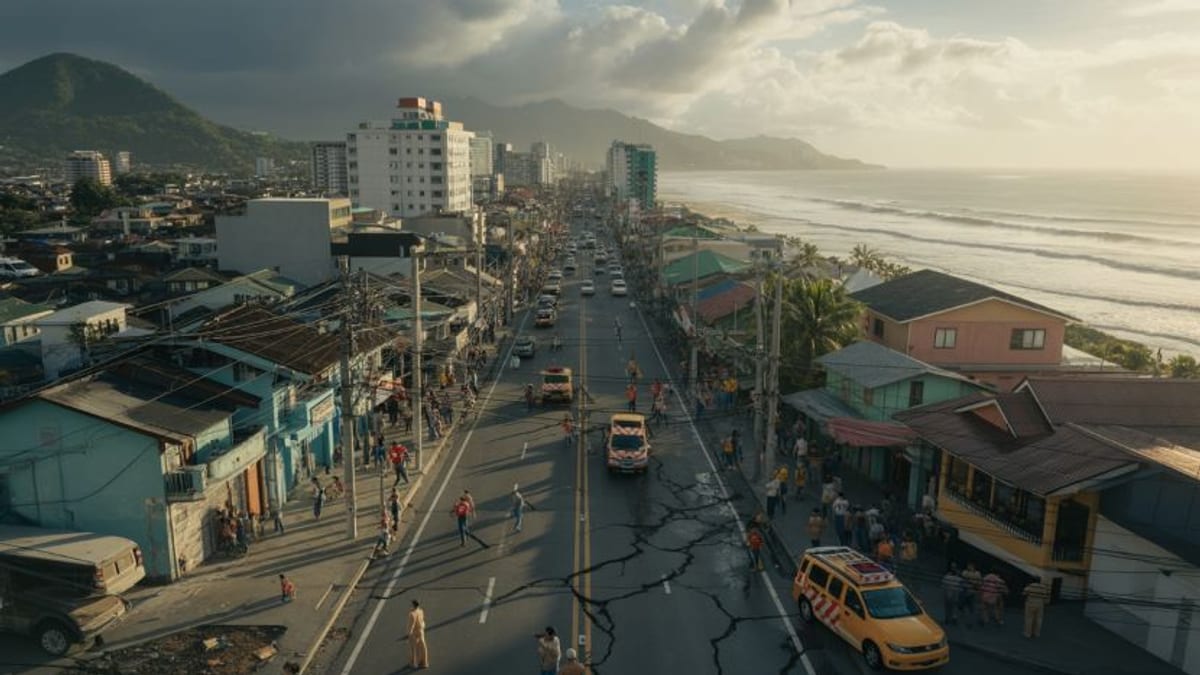
The quake, recorded on August 10 with an epicenter near San José del Palmar in Chocó, was felt across much of the country, including major cities along the Pacific and Andean corridors. Initial assessments indicate widespread structural damage in small towns close to the epicenter and in select urban districts in departments such as Valle del Cauca and Risaralda, with dozens of fatalities and hundreds of injuries reported in early tallies.
Travel infrastructure across western Colombia came under immediate strain. Reports indicate temporary closures of sections of mountain highways connecting Quibdó with the rest of the country, localized damage on feeder roads to secondary destinations, and precautionary inspections at airports in Cali and other regional hubs. Rail and port facilities along the Pacific have undergone rapid checks as authorities work to keep essential freight and humanitarian movements flowing.
The shock has also revived long-running concerns over seismic vulnerability in Colombia’s coffee axis and Pacific slope, where tourism growth in recent years has outpaced investment in resilient infrastructure. Publicly available hazard maps already identified western Colombia as one of the country’s most seismically active zones, and the latest event is likely to prompt a new round of engineering audits for hotels, guesthouses and attractions.
As emergency response transitions into early recovery, regional governments and tourism stakeholders in Chocó, Valle del Cauca and neighboring departments are starting to coordinate messaging, safety protocols and medium-term promotion strategies. The goal emerging from this alignment is to protect visitors, sustain livelihoods and avoid a prolonged collapse in bookings during the critical second half of the year.
Chocó’s Fragile Tourism Economy Faces a Stress Test
Chocó, one of Colombia’s least developed yet most biodiverse departments, was already navigating a delicate tourism trajectory before the earthquake. Its Pacific coastline, rainforest reserves and whale-watching routes had begun to attract eco-conscious travelers drawn by remote beaches and Afro-Colombian cultural traditions. At the same time, the region contends with limited road access, chronic underinvestment in public services and recurring weather-related disruptions.
The quake has amplified these structural challenges. Early images and local testimonies describe collapsed or severely damaged homes in small communities, debris-strewn streets and anxiety about the stability of slopes and riverbanks vulnerable to landslides. In the short term, many operators have pivoted from tourism to logistics support by helping transport supplies or hosting displaced family members, while bookings for August and September have been postponed or canceled.
Publicly available information shows that access along the key road link between Chocó and Valle del Cauca was constrained even before the earthquake because of previous landslides and maintenance backlogs. The new damage raises the prospect of intermittent closures during the coming weeks, complicating itineraries that combine Pacific beaches with coffee region towns or Cali’s cultural offerings.
For Chocó’s nascent tourism sector, the central question is how to rebuild without losing momentum. Development agencies and travel organizations are expected to press for investment not only in seismic retrofitting and slope stabilization, but also in digital infrastructure and emergency communications. The narrative that emerges around Chocó in the coming months, whether focused solely on tragedy or on resilient recovery, will strongly influence how quickly international travelers return.
Valle del Cauca Steps Forward as a Stabilizing Hub
To the south and east of the epicenter, Valle del Cauca is increasingly positioned as a stabilizing hub for tourism and logistics. Cali and its metropolitan area, while affected by tremors and reports of structural damage to some buildings, have retained core connectivity through Alfonso Bonilla Aragón International Airport and the region’s main highways linking the Pacific port of Buenaventura with the interior.
Published coverage from Colombian and international outlets indicates that Valle del Cauca has reported significant casualties and damaged residential areas, particularly in vulnerable neighborhoods. Yet the department’s comparatively stronger infrastructure, emergency services and institutional capacity allow it to serve as a staging ground for relief operations into Chocó and the coffee region. This operational role is already shaping travel recommendations and route planning.
For visitors, Valle del Cauca’s role is evolving from purely a destination to a base of operations. Hotels in Cali and surrounding towns are likely to see a shift in demand, with humanitarian workers, engineers and journalists temporarily replacing some leisure travelers. At the same time, tourism boards are expected to promote experiences considered low risk, such as urban cultural tours, salsa events and day trips to nearby nature reserves that have passed safety inspections.
Industry analysts note that Valle del Cauca policymakers have an opportunity to coordinate with Chocó and central Andean departments on unified safety messaging. Shared guidelines on building assessments, landslide monitoring and responsible visitor behavior could reassure both domestic and international travelers who are hesitant but still interested in the region’s cultural and natural attractions.
Travel Advisories, Insurance and Shifting Demand
The earthquake has triggered a rapid reevaluation of risk by airlines, tour operators and travel insurers. While international air connections to Bogotá and major regional hubs remain open, some carriers have adjusted schedules or aircraft types to Pacific and coffee-region destinations while damage assessments continue. Domestic airlines and bus companies are updating passengers on altered routes and potential delays, particularly on corridors crossing the Western Andes.
Travel advisories from foreign governments are expected to evolve in the coming days. Historically, such notices focus not only on seismic activity but also on the resilience of hospitals, transportation and emergency communications in affected areas. In practice, this can mean heightened caution for nonessential travel to smaller towns near the epicenter, while major cities like Cali and Pereira remain accessible with specific safety guidance.
On the demand side, data from previous seismic events in Colombia and across Latin America suggest a typical pattern: an immediate wave of cancellations, followed by a slow return driven first by domestic travelers and then by international visitors with high familiarity with the region. Travel insurance providers may impose new conditions or deductibles for trips to seismically active zones, reinforcing the importance of reading policy fine print for coverage of natural disasters and trip interruptions.
For independent travelers and backpackers, the earthquake is likely to influence route planning for the remainder of the year. Some may redirect from Pacific and coffee-region circuits toward Caribbean destinations or Amazonian lodges, while others will deliberately choose to visit affected areas to support local economies. Clear, regularly updated information on road status, accommodation safety and health services will be decisive in shaping these decisions.
Rebuilding a Safer, More Inclusive Tourism Model
Beyond the immediate emergency, the earthquake is refocusing attention on how tourism development in Colombia’s western departments can better account for seismic and climate risks. Urban planners, engineers and tourism economists have long warned that unregulated construction, informal lodging growth and underfunded infrastructure leave both residents and visitors exposed when major earthquakes strike.
In Chocó, where poverty levels are among the highest in the country, rebuilding discussions are expected to intersect with long-standing debates over territorial inequality, environmental protection and the benefits of tourism. Advocates for community-based travel models argue that supporting locally managed guesthouses, guides and cultural initiatives can channel reconstruction funds more directly into the hands of residents most affected by the disaster.
In Valle del Cauca and neighboring Andean regions, attention is likely to center on strengthening hotels, cultural venues and transport nodes that serve as gateways to the Pacific and the coffee belt. Retrofitting heritage buildings, reinforcing hillside roads and expanding early-warning systems could become priority investment lines in forthcoming regional development plans and public-private partnerships.
For travelers, the evolving alignment between Chocó, Valle del Cauca and adjoining departments may eventually translate into clearer safety standards, more transparent disclosure of building resilience and better crisis communication during seismic events. While the 7.4 quake has delivered a severe setback to western Colombia’s tourism ambitions, it is also prompting a reimagining of how the industry can grow in a way that is safer, more equitable and more resilient to the country’s powerful geological forces.