


More news on this day
From blistering heat in the American Southwest to disruptive storms around major hubs in Europe and Asia, the 2026 travel season is unfolding against a backdrop of increasingly volatile weather that is no longer an occasional inconvenience but a central risk for anyone on the move.
Get the latest news straight to your inbox!
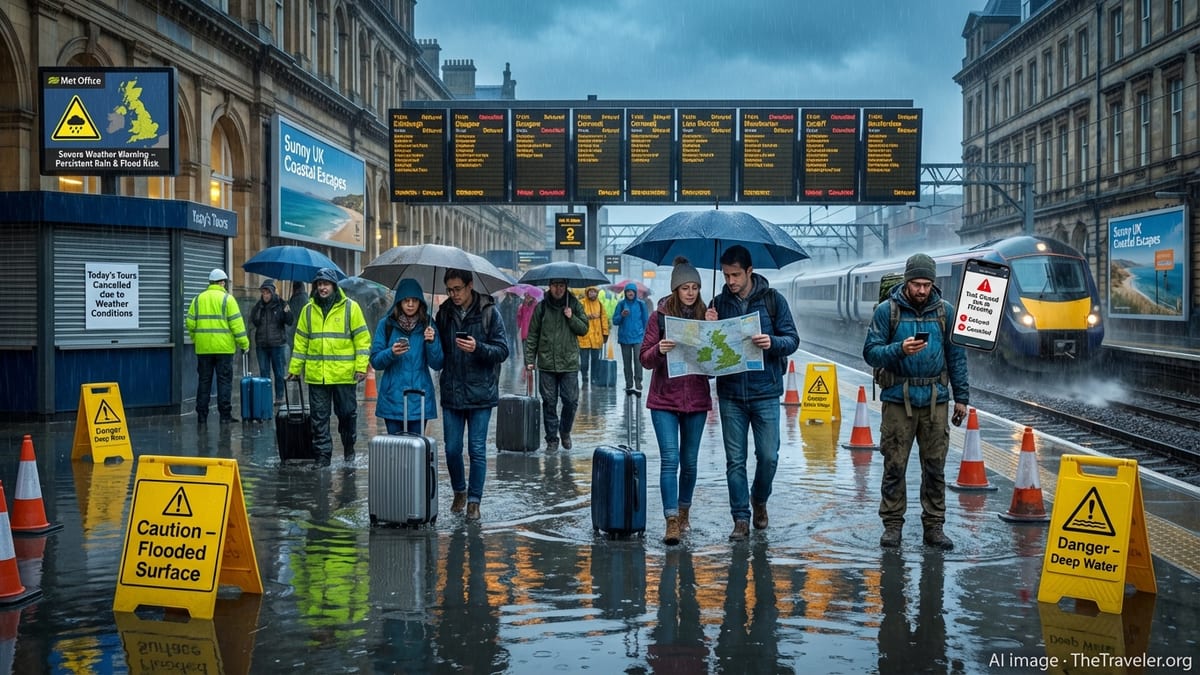
Weather Risks Move From Background Concern To Central Travel Factor
Recent seasons have underscored how closely travel reliability is now tied to weather extremes. Climate research and risk analyses for 2025 and early 2026 describe a clear pattern of more intense heat waves, heavier rainfall and more frequent severe storms, all of which directly affect aviation, rail, road and cruise operations worldwide.
In the United States, assessments of billion dollar weather and climate disasters in 2025 identify more than twenty major events, ranging from hurricanes and floods to heat driven wildfires. Each of these incidents translated into airport closures, mass cancellations, stranded travelers and damaged infrastructure, even when destinations themselves were not in the core impact zone.
Global reports from meteorological organizations covering the 2025 to 2029 period point to temperatures remaining at or near record levels over the next several years. For travelers, that outlook means periods of extreme heat that test airport tarmac limits, force aircraft to reduce weight on takeoff, and trigger ground delays or schedule cuts, even when skies appear clear.
Analyses from insurers and climate risk groups also frame extreme weather as a major economic threat, with hundreds of billions of dollars in projected losses tied to heat, flooding and storms. Those same forces are already reshaping when and where people can travel safely, as coastal cities, mountain resorts and desert destinations adapt to more frequent disruptions.
Summer 2026: Heat Waves, Storm Clusters And Flight Waivers
As the northern summer of 2026 gathers pace, early patterns suggest another turbulent season for travelers. Coverage of late March heat across the southwestern United States highlights temperatures more typical of midsummer, while meteorological summaries describe the event as among the most unusual heat waves of the century. These kinds of early season extremes can strain power grids, raise health risks for visitors and disrupt outdoor-focused itineraries.
Across North America, winter and spring have already produced memorable storms. A historic blizzard in February 2026 brought days of disruption to airports and highways in the northeastern United States, forcing rolling cancellations and leaving airlines working through backlogs well after skies cleared. The experience underlined how a single multi-day event can ripple through route networks for a week or more.
In Europe and the Mediterranean region, storms during the first months of 2026 illustrate the vulnerability of both traditional winter-sun destinations and key aviation corridors. High winds, heavy seas and rain have all contributed to temporary airport closures, diversions and cruise itinerary changes, complicating travel plans during what is increasingly a year round tourism calendar.
On the airline side, publicly available travel waiver notices in June for hubs such as Chicago and Houston show carriers preparing for convective storm clusters days in advance, offering voluntary rebooking before the worst conditions arrive. Similar waivers tied to tropical systems in the western Pacific at the start of July point to a more proactive stance, but they also confirm that passengers can no longer assume a straightforward trip during peak months.
Infrastructure Under Strain As Demand Keeps Rising
Even as weather risks intensify, demand for travel remains strong. Airline forecasts for the 2026 summer season point to record passenger numbers and peak days with several thousand flights across large networks. Some major hubs, such as Chicago O’Hare, have required schedule adjustments to keep operations within realistic capacity limits after years of delay and cancellation concerns.
Transportation specialists warn that much of the existing infrastructure was designed for a climate in which extremes were rarer and less intense. Reports on climate and transportation note that recent heat waves have caused roads to buckle, rail lines to warp and airport pavements to deteriorate faster under sustained high temperatures. These stresses can result in slower train speeds, lane closures and temporary runway restrictions that cascade into delays.
At the same time, risk studies compiled for 2026 show that many companies still understate extreme weather as a core operational threat, even as they report increasing impacts from heat, flooding and storms. Where adaptation projects do exist, analysts point to significant funding gaps, suggesting that upgrades to drainage systems, shade structures, cooling capacity and back up power at travel hubs may lag behind the pace of climate change.
For travelers, the practical outcome is a system pushed closer to its limits. When storms or heat spikes coincide with staff shortages or air traffic control constraints, the result can be large scale cancellations. Recent roundups of disruption hotspots for summer 2026 highlight that some airports face recurring pressure, making them more vulnerable when weather turns against them.
Global Weather Patterns Reshape Destination Choices
Beyond the mechanics of getting from one place to another, changing weather patterns are also altering the perceived appeal and safety of destinations. Studies on people’s exposure to climate driven extremes between late 2025 and early 2026 indicate that more residents and visitors are experiencing heat indices and rainfall totals previously considered unusual. That reality forces travelers to weigh seasonal conditions more carefully when booking.
El Niño conditions in 2026 are a particular focus for tourism analysts. Coverage from European travel media describes how the warming of the tropical Pacific can feed droughts in some regions while boosting flood and storm risk in others. For travelers, that means an elevated chance of washed out beach holidays in traditionally dry periods, or water shortages and wildfire smoke at locations that once seemed like reliable summer escapes.
Urban planning and housing reports for 2026 also call attention to coastal cities where sea level rise and flooding are becoming chronic issues. Popular waterfront districts face more frequent nuisance tides and storm surge risks, which can close roads, inundate subway systems and force hotels to relocate ground floor services. Visitors may find that city breaks now come with higher odds of transit shutdowns linked to rain or king tides.
In polar and high latitude regions, recent Arctic assessments show snow seasons shrinking and precipitation intensifying, with extreme storms and atmospheric rivers playing a larger role. Expedition cruises, ski trips and northern lights tours are all sensitive to these shifts, as operators juggle safety windows, ice conditions and unpredictable thaw cycles.
Practical Steps For Weather Aware Travelers
For individuals planning trips in 2026, the emerging message from climate and travel analysis is clear: weather can no longer be treated as a minor variable. It needs to sit alongside price, dates and destination when making decisions. That starts with understanding seasonal risk profiles, such as monsoon timing, wildfire seasons, hurricane peaks and likely heat waves, rather than relying on outdated notions of “high” and “low” season.
Travel experts increasingly recommend building more slack into itineraries, especially when connections pass through known congestion points or disruption prone hubs. Adding an overnight stop before cruises or major events, choosing earlier flights in the day to avoid afternoon storms, and allowing extra time for ground transport in flood prone cities are all emerging as prudent strategies rather than luxuries.
Insurance and refund policies are also under scrutiny. Consumer advice from travel and financial outlets notes that some policies treat extreme heat or generic “bad weather” differently from named storms or official warnings, leaving gaps in coverage. Reading terms carefully and considering flexible fares where budgets allow can reduce the financial impact if conditions make travel unsafe or impractical.
Most importantly, real time awareness has become essential. Monitoring local forecasts, following airport and airline operations updates, and preparing a plan B for key legs of a journey now sit at the heart of resilient travel planning. As the 2026 season shows, weather is no longer background noise for tourism; it is a defining factor that can upend even the most carefully curated itinerary.