


More news on this day
The United States attorney general is directing new scrutiny at so-called birth tourism in the wake of a high-profile Supreme Court ruling that reaffirmed birthright citizenship for nearly all children born on US soil, signaling a shift in how federal authorities may monitor and police certain types of international travel.
Get the latest news straight to your inbox!
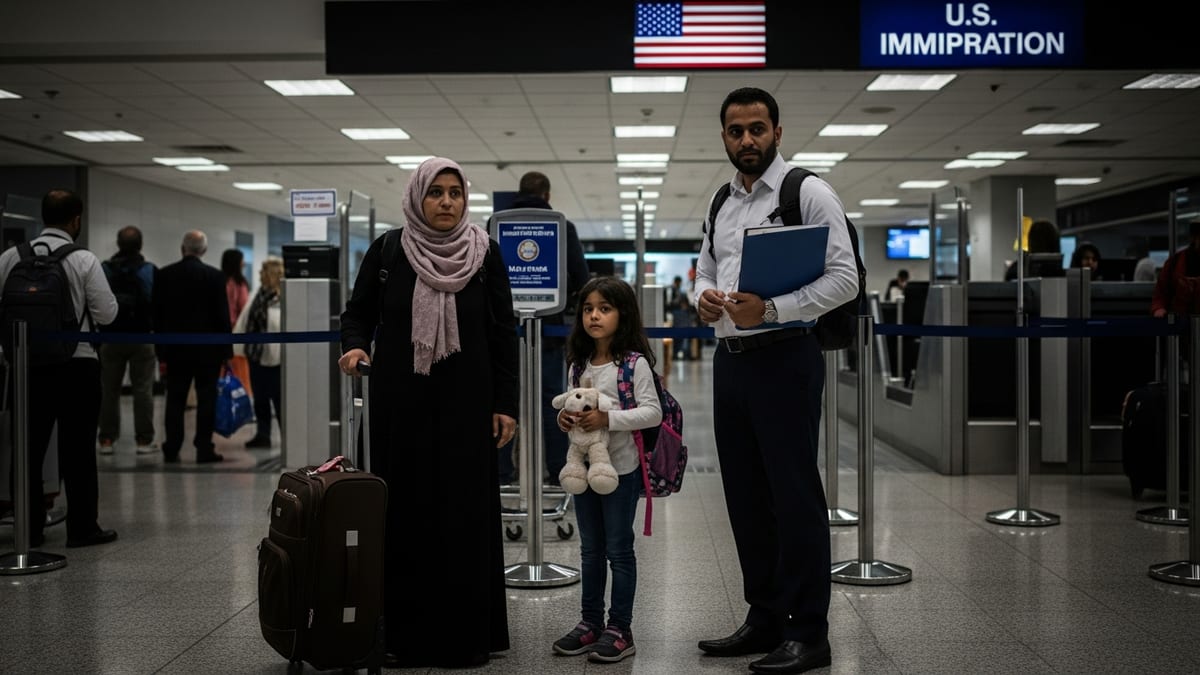
Supreme Court Reaffirms Birthright Citizenship
The Supreme Court decision handed down on June 30, 2026, left the constitutional principle of birthright citizenship intact after months of political and legal uncertainty. The ruling rejected an executive order issued in 2025 that sought to deny automatic citizenship to children born in the United States to parents who lacked US citizenship or permanent residency.
In its opinion, the court cited the Fourteenth Amendment’s Citizenship Clause and earlier precedents to conclude that, with limited exceptions, a child born within US territory and subject to US law is a citizen at birth. Legal analysts note that the outcome reaffirmed more than a century of judicial and administrative practice, calming immediate fears among families whose status depended on the longstanding interpretation.
Yet the ruling did not close the political debate. Almost immediately after the decision, administration figures turned their attention to alleged abuses connected to travel and temporary stays in the country, framing these practices as undermining the spirit of the court’s reading of the Constitution.
Attorney General Signals New Focus on Birth Tourism
Within hours of the Supreme Court judgment, acting Attorney General Todd Blanche began highlighting what he described as renewed federal attention on “birth tourism,” according to multiple news reports. The term generally refers to foreign nationals who travel to the United States specifically to give birth so that their child acquires US citizenship.
Publicly available information indicates that the Justice Department has instructed federal prosecutors to prioritize investigations into commercial schemes that market US births to overseas clients, especially where there are indications of immigration fraud, money laundering, or visa violations. Coverage of internal guidance suggests an emphasis on organized networks that help arrange travel, housing, medical care, and documentation while concealing the true purpose of a visit from consular or border officials.
The new enforcement posture does not change the basic legal outcome of the Supreme Court case. Children born in the United States still become citizens, regardless of their parents’ status. Instead, the initiative targets the conduct of adults who allegedly misrepresent their intentions to secure visas or entry, or who run businesses built around offering such services.
Travel and Visa Scrutiny Likely to Intensify
For international travelers, the most immediate impact is expected to come through closer examination of visa applications and entry interviews, rather than formal changes to citizenship law. US consular officers already have authority to refuse visas if they believe an applicant is misrepresenting the purpose of a trip, and prior administrations have used that discretion to question cases involving late-term pregnancy and extended stays.
Reports on the latest policy shift indicate that consular posts and border agents may receive updated guidance and training on detecting potential birth tourism indicators, particularly in countries where commercial birth tourism services have previously been uncovered. That could lead to more follow-up questions, document checks, or requests for proof of financial support and medical arrangements for pregnant travelers.
Travel industry observers note that most trips by expectant parents are ordinary family or business journeys and that airlines and hospitals already apply their own medical and safety policies. However, increased enforcement attention could introduce new uncertainty for some pregnant travelers, who may face additional inquiries about their plans and capacity to pay for care in the United States.
Rare Practice, Rising Political Attention
Despite the heightened rhetoric, publicly available estimates suggest that birth tourism represents a small fraction of total births and international arrivals to the United States. Past federal cases have focused on a limited number of companies accused of coaching clients to conceal pregnancies, arrange fraudulent financial documents, or overstay visas.
Fact-checking organizations and academic analysts have pointed out that comprehensive data on birth tourism is scarce, in part because government records do not routinely capture the circumstances surrounding every birth to nonresident parents. As a result, policy discussions often rely on isolated prosecutions, localized hospital records, or extrapolations from immigration statistics rather than nationwide, standardized reporting.
Nevertheless, the practice has become a prominent talking point for immigration hardliners, who argue that travel specifically designed to acquire US citizenship for newborns exploits a constitutional guarantee. Advocates for immigrants and civil liberties counter that sensational portrayals overstate the scale of the issue and risk vilifying pregnant travelers who arrive lawfully and pay for their care.
Implications for Travelers, Hospitals, and Tourism Markets
The Justice Department’s sharper focus on birth tourism could have ripple effects across segments of the travel and healthcare industries that cater to international visitors. Some US hospitals and maternity clinics have marketed services to overseas patients, promoting high-quality care and clear pricing. Analysts suggest those providers may now review their advertising and intake procedures to ensure compliance with immigration and financial disclosure rules.
Tourism boards and destination marketing organizations are also watching developments closely. While the number of visitors engaging in birth tourism is small, negative publicity around the issue can influence perceptions among broader pools of travelers, particularly if they are pregnant or planning family-related trips. Industry commentary indicates that stakeholders are seeking clarity on how aggressively new enforcement priorities will be applied at ports of entry.
For now, legal experts advise that foreign nationals who are pregnant and planning to travel should be prepared to document the purpose of their trip, their ability to cover medical expenses, and their intent to respect visa terms. The Supreme Court ruling confirms that any child born in the United States will generally be recognized as a citizen, but the administration’s response shows that the pathways people take to reach US hospitals and maternity wards may come under closer federal examination.