


Saint-Tropez looms large in the travel imagination: a tiny former fishing village turned global symbol of Riviera glamour, superyachts and champagne-fueled beach parties. Yet for first-time visitors, the reality can be confusing. Where exactly should you stay, how much will things really cost, and is there anything to do beyond posing on Pampelonne Beach? This guide breaks down Saint-Tropez in practical, on-the-ground terms so you can experience both its legendary scene and its authentic Mediterranean soul.
Get the latest updates straight to your inbox!
Understanding Saint-Tropez: Village vs Beaches
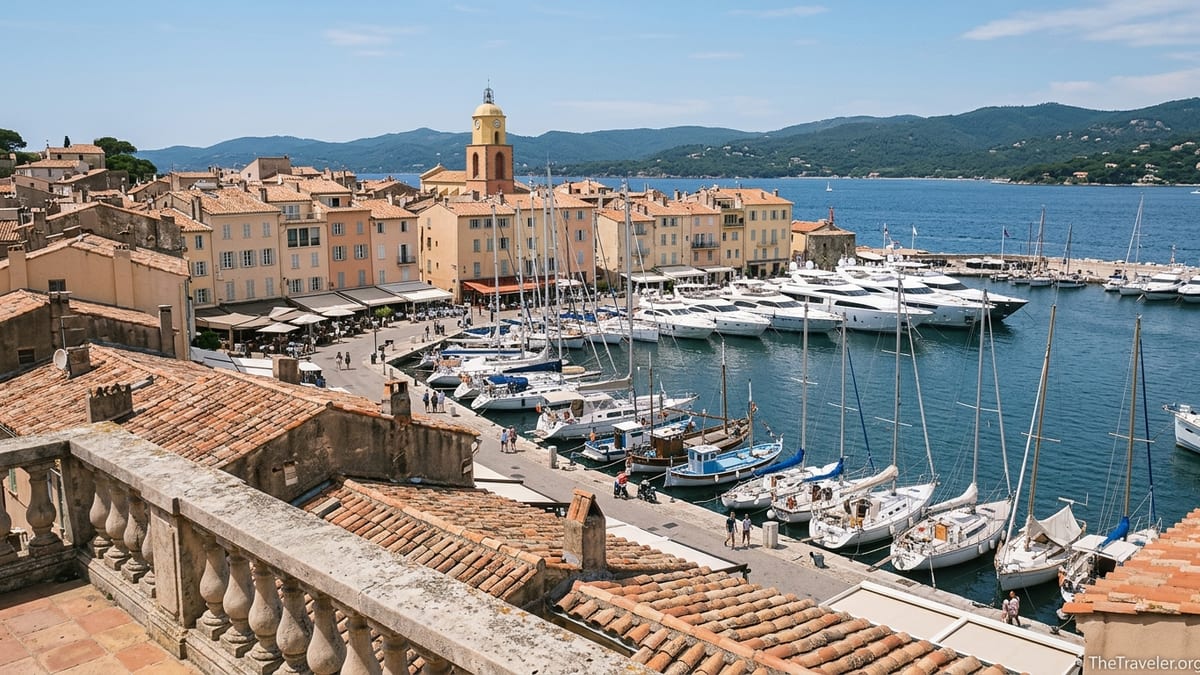
The first thing to understand is that Saint-Tropez town and its famous beaches are not the same place. The historic village clusters around a compact harbor, where fishing boats bob alongside superyachts. From here, it is a 10 to 15 minute drive over low hills to Pampelonne Beach, the five-kilometer strip of sand in the neighboring commune of Ramatuelle where most of the iconic beach clubs sit. First-time visitors are often surprised to discover that names like Club 55, Nikki Beach and Bagatelle are not actually in the village itself, but along this separate bay.
The old town is where you feel Saint-Tropez’s past: pastel houses, steep alleys climbing up to the citadel, tiny beaches like La Ponche, and early-morning produce and flower markets on Place des Lices. Locals still linger over espresso at simple cafes here, and in low season you may see more residents than visitors. In contrast, Pampelonne is purpose-built for long lunches, designer sun loungers and late-afternoon champagne parades. Planning your days means moving between these two worlds, whether by hotel shuttle, taxi, e-bike or, in peak season, small shuttle boats and public buses.
If you are short on time, you can still get a sense of both. A typical first-day pattern is breakfast and a harbor stroll in the village, a late-morning transfer to Pampelonne for a beach club lunch and swimming, then a return to town for an evening apéritif and dinner overlooking the boats. Understanding this rhythm helps you choose accommodation and budget realistically for local transport, which can add up quickly if you rely entirely on taxis in July and August.
It also clarifies expectations. Saint-Tropez is not a big-resort destination where you stay in a beachfront hotel and rarely leave. It is a patchwork of village, vineyards, hills and beaches that rewards wandering, from the pine-scented coastal path around the peninsula to the quieter coves beyond Pampelonne that feel worlds away from nightclub playlists.
When to Visit and What Things Really Cost
Saint-Tropez is highly seasonal. From late June through late August, the village and Pampelonne are at full throttle, with regattas, luxury events and fashion parties. Accommodation prices spike, traffic can slow to a crawl on the single road in and out, and beach club reservations for second seating lunches often need to be secured weeks in advance. In return, you get the peak Riviera experience: crowded quays, celebrity spotting and every restaurant terrace full late into the night.
For many first-timers, June and September are a better introduction. Sea temperatures are pleasant, most clubs and hotels operate on full schedules, yet prices for mid-range hotels drop noticeably compared with August. A simple village three-star might cost the equivalent of a modest city hotel in early June, and reserving a pair of sun loungers at a mid-tier beach club will typically be easier and slightly cheaper than in high season. May and early October can be excellent if your focus is hiking, markets and scenery rather than swimming every day, although some beach clubs close by early or mid-October.
Daily budgets vary wildly depending on choices, but some ballpark figures help. A coffee on the harbor can cost noticeably more than one a few streets inland, where you might pay a price similar to other French coastal towns. A casual lunch in the old town with a main course and a glass of wine can be similar to prices in Nice or Marseille, while a full Pampelonne beach club lunch with seafood, shared starters and dessert can easily run to several times that amount per person, especially if you add cocktails or champagne. Sun loungers at major clubs are typically priced per person for a full day; smaller, newer spots and public stretches of sand remain more affordable, especially if you bring your own towel and shade.
Transport is another cost to factor in. Because there is no direct international airport or high-speed rail into Saint-Tropez, many visitors arrive via Nice, Toulon or Marseille and then continue by rental car, private transfer or seasonal boat. Car rental split between friends can work out cheaper than multiple taxi rides, but parking fees in the village and along Pampelonne apply in high season. Public buses from nearby towns are the budget option, though they can be crowded and subject to traffic delays in peak summer.
Getting There and Getting Around
Most international visitors fly into Nice Côte d’Azur Airport, about 90 kilometers from Saint-Tropez as the crow flies but often two hours or more on summer roads. From Nice, a rental car gives maximum flexibility for exploring nearby villages and beaches, but be prepared for slow sections approaching Sainte-Maxime and on the coastal road that loops around the gulf. Alternatively, private or shared transfers run fixed routes from Nice and Toulon airports to the Saint-Tropez area, offering air-conditioned comfort without the stress of driving and parking.
Another popular route is to take a regional train to Saint-Raphaël Valescure station, then board a seasonal passenger boat across the gulf to Saint-Tropez harbor. On a clear day, this can be one of the prettiest ways to arrive, with views of headlands and sailboats as you approach the village from the sea. The boat schedules are more frequent in summer, and the crossing time is usually around an hour or less, depending on operator and sea conditions. Travelers combining several Riviera towns often find this train-and-boat combination less tiring than driving the entire way in traffic.
Once in Saint-Tropez, your movement will mostly be between the village, Pampelonne and nearby hill villages like Ramatuelle or Gassin. Many upscale hotels, such as long-established addresses in the old town or chic properties in the surrounding hills, operate complimentary or low-cost shuttle vans to Pampelonne and back. These are worth prioritizing when choosing accommodation, as one return taxi in peak afternoon traffic can be surprisingly expensive. In recent seasons, some properties have also started partnering with specific beach clubs, arranging both transfers and reserved loungers for guests.
If you prefer independence, renting an e-bike or scooter in the village can sidestep traffic jams and parking searches along Pampelonne. The roads are hilly but manageable with electric assistance, and you will see locals commuting to work at clubs and restaurants this way during summer. Always check helmet rules and confirm whether your accommodation has secure overnight storage. Public buses run between the village and beaches as well, but timetables can shift seasonally, so it is wise to confirm current schedules at the tourist office near the harbor when you arrive.
Where to Stay on Your First Visit
Choosing the right base shapes your whole Saint-Tropez experience. First-timers often gravitate toward staying inside the village walls or immediately around the old harbor. Here, elegant hotels and small guesthouses tuck into historic townhouses, some with rooftop pools or leafy courtyards. A classic example is the cluster of luxury addresses within a five-minute walk of the quay, where you can stroll to dinner at a seafood brasserie overlooking the boats or down cobbled lanes to intimate wine bars. Prices reflect both location and name recognition, especially after recent renovations at some of the grande-dame hotels that have refreshed rooms and bars for a new generation of travelers.
Staying in the village means you can explore early mornings and late evenings when day-trippers have gone and the streets feel more local. You are also steps from bakeries for a simple breakfast of croissants and coffee rather than a hotel buffet, which can help manage costs. The trade-off is that you will rely on shuttles, taxis or buses to reach Pampelonne most days if beach time is a priority. Many village hotels mitigate this with scheduled vans to their partner clubs, but it is worth confirming frequency and last return times when you book.
Another option is to sleep in the countryside above Pampelonne or around nearby villages such as Ramatuelle. Here you find design-forward boutique hotels, converted farmhouses with pools set among umbrella pines and vineyards, and family-run four-star properties highlighted in recent regional press for full refurbishments and new restaurants. These often feel more like small resorts, with on-site dining and direct shuttle service to their preferred beach clubs. For first-timers focused on relaxation and beach days rather than nightlife, this hill-and-vineyard setting can be ideal, especially if you rent a car for quick trips into the village.
Budget-conscious visitors sometimes base themselves in larger towns around the gulf, such as Sainte-Maxime, and take boats or buses into Saint-Tropez for day trips. Hotel and apartment prices tend to be lower there, and you gain a more everyday French seaside ambiance. The downside is the commute; during July and August, even boat departures can feel busy, so this strategy works best outside the absolute peak weeks or if you are comfortable with a more laid-back approach that accepts occasional queues as part of the experience.
Beaches and Beach Clubs: Finding Your Scene
Pampelonne Beach is the center of Saint-Tropez’s daytime mythology: a wide crescent of pale sand backed by low dunes and vineyards. Along its length, private beach clubs and public stretches alternate. At one end, long-established names still attract a loyal clientele who return year after year for familiar staff, rustic wooden decks and signature loungers in instantly recognizable colors. At the other, newer openings cultivate a more bohemian or design-driven aesthetic, with natural woods, linen fabrics and menus that lean into Mediterranean sharing plates and lighter cuisine.
For a first-time visit, it helps to think in terms of atmosphere. Some clubs are effectively day parties, with DJs, dancing on tables by late afternoon and bottle service norms. Others are calmer, built around long, convivial lunches under sail-like canopies, followed by relaxed hours on loungers with table service. A mid-range option might involve reserving two front-row loungers, sharing a grilled fish and salads for lunch, and lingering until early evening when the light over the bay turns golden. If your budget is tighter, you can still experience Pampelonne by using the public areas: bring a towel and umbrella, swim in the same clear water and perhaps choose a club just for a drink at the bar rather than full lounger service.
Beyond Pampelonne, smaller beaches closer to the village offer quieter alternatives. Plage des Graniers, a short walk from the old town via the coastal path, feels surprisingly secluded given its proximity. The tiny La Ponche beach, tucked between old houses, is more for a quick dip than an all-day stay, but its history as the backdrop to New Wave films gives it cinematic charm. North of the village, other coves and small family-oriented beaches can be reached by car or bike, often used by locals with children who prefer easier parking and gentler waves.
When comparing clubs and locations, consider practicalities as much as image. Check opening dates, especially if you are visiting in April, May or October, since many clubs operate only from late spring to early autumn. Ask whether they offer transfer services or valet parking, and what their policy is on minimum spends for loungers or lunch tables. For example, some popular spots in late July may require a substantial minimum spend per person for front-row beds, while smaller or newer clubs might simply charge a straightforward per-lounger fee. Planning ahead means you can mix one or two big-name experiences with more low-key days that still deliver clear water and Riviera light without straining your budget.
Eating, Drinking and Nightlife
Cuisine in and around Saint-Tropez spans traditional Provençal cooking, fish-heavy Mediterranean menus, and international concepts designed for a jet-set audience. In the village itself, you can still find simple bistros serving grilled sardines, stuffed vegetables and local rosé on shaded terraces just off the main harborfront. Early in the evening, these fill with a mix of locals and visitors who prefer an unhurried dinner to late-night shows. Reservation policies are relatively relaxed outside peak weekends, though during July and August, even casual places appreciate a call or online booking the day before.
Along the harbor, restaurants lean more toward spectacle, with views of gleaming yachts and menus that feature seafood platters, whole grilled fish and carefully plated desserts. Prices track the setting, but the payoff is people-watching as crews, owners and visitors mingle. A typical dinner might involve sharing a seafood platter or local bouillabaisse, a bottle of regional rosé and a dessert, bringing the bill per person to several times what you might pay for a simple two-course meal inland. Some venues evolve into lively lounges with music after dinner, effectively merging restaurant and nightclub.
Beach club lunches on Pampelonne are a must-try for many first-timers. These can be elaborate affairs stretching over several hours, starting with shared starters like crudités platters, ceviche or local tomato salads, moving to grilled catch of the day or pasta with seafood, and ending with oversized fruit platters. Rosé from nearby vineyards is the default pairing. Second seating, usually around mid-afternoon, is often when the party atmosphere peaks, with music volume rising and impromptu dancing. If that is not your style, request first seating when you book for a calmer experience.
Nightlife in Saint-Tropez ranges from low-key wine bars in back streets to high-energy clubs that draw international DJs. Iconic venues in and around the village anchor the scene, sometimes with long histories as actors’ and musicians’ haunts. Expect door policies that favor reservations and well-dressed groups in high season, and be prepared for late nights: arriving before midnight can feel early. If your main goal is relaxing days and peaceful sleep, consider a hotel slightly removed from the noisiest streets or up in the hills, where cicadas rather than bass lines dominate the soundtrack.
Beyond the Glamour: Markets, Walks and Day Trips
What often surprises first-time visitors is how much there is to do in and around Saint-Tropez that has nothing to do with clubs or champagne. The twice-weekly market on Place des Lices is a highlight, with stalls selling Provençal fabrics, olive oils, cheeses, socca and seasonal fruit. Arrive early to browse before the crowds, pick up picnic supplies and watch older locals play pétanque under the plane trees. Even if you are staying in a hotel, stocking up on fruit, a baguette and cheese here can offset one restaurant meal and give you provisions for a coastal walk.
The coastal path, or sentier du littoral, loops around much of the Saint-Tropez peninsula, offering a completely different perspective on the area. Sections leading from the village toward Cap de Saint-Tropez take you past rocky inlets, small coves and stands of umbrella pines, with constant sea views and occasional glimpses of hidden villas. Good walking shoes, water and sun protection are essential, especially in summer, and it is wise to start early in the day to avoid the strongest heat. Many visitors combine a morning walk with a swim at a small beach en route, returning to town by mid-afternoon for a late lunch.
Inland, hilltop villages like Gassin and Ramatuelle reward short drives with panoramic views over the gulf, stone lanes and quieter squares where local life continues at a different pace. Here you might linger over a glass of rosé at a terrace that looks out over vineyards and sea, far from the harbor crowds. Wine enthusiasts can book tastings at estates scattered between the villages and Pampelonne, where modern tasting rooms introduce the latest vintages of the pale rosé that has become synonymous with the region.
Day trip options broaden your horizons further. Boat excursions along the coast or to nearby islands operate in high season, offering swimming stops in clear coves and commentary on coastal landmarks. Some cruises are timed to coincide with major events such as autumn regattas in the bay, giving you a front-row seat to classic yachts under sail. Others focus on snorkeling, bays accessible only by sea, or sunset views as you return to the harbor with the village lights coming on one by one.
Practical Tips for First-Time Visitors
Arriving prepared for Saint-Tropez’s quirks makes a first visit far smoother. One key mindset shift is to treat your arrival and departure days flexibly, especially in peak months. If you are driving from Nice or Marseille on a Saturday in late July, build in extra time for traffic and consider planning only light activities that day, such as an early evening stroll and a simple dinner. Similarly, when leaving, allow a generous buffer between your planned departure from Saint-Tropez and any onward flights or train connections, since bottlenecks near Sainte-Maxime and at key roundabouts can lengthen journeys unexpectedly.
Packing with local norms in mind also helps. Beachwear is welcome on the sand and in beach clubs, but in the village itself, people tend to dress smart-casual, especially in the evening. A lightweight dress or shirt and tailored shorts or linen trousers will fit in at most restaurants. Comfortable flat sandals or sneakers are essential for cobbled streets and steep lanes; high heels are best reserved for specific outings where you know you will be mostly seated. Sun protection is non-negotiable: the combination of reflective sea light and long lunches outdoors catches many first-timers off guard.
On the financial side, expect to pay by card almost everywhere, but keep a small amount of cash for markets, parking meters in smaller lots and tipping where appropriate. Service is typically included in restaurant bills in France, but rounding up or leaving a few extra euros for good service is appreciated. At beach clubs, check bills carefully, as the combination of loungers, towels, drinks and lunch can add up; most venues are happy to explain line items if something is unclear. Splitting payments between friends is common and generally accepted, though in very busy periods staff may prefer one card per table.
Finally, remember that Saint-Tropez, despite its image, is still a small town. Staff at hotels, cafes and shops often work long, intense seasons. A few words of French, patience when things are busy and an understanding that not every moment will match a glossy magazine spread go a long way. Some of the best memories first-timers report are not the headline experiences but unplanned ones: a quiet early-morning coffee watching fishermen mend nets, a spontaneous paddle in unexpectedly warm water, or a glass of local wine shared at a tiny bar down an unassuming side street.
FAQ
Q1. How many days do I need in Saint-Tropez for a first visit?
Most first-time visitors find that three to four full days is enough to experience the village, enjoy at least one or two Pampelonne beach club days, explore a hilltop village and fit in a coastal walk. If you want a very relaxed pace with multiple day trips, a full week works well.
Q2. Do I need a car in Saint-Tropez?
You can visit without a car by combining airport transfers, boats, hotel shuttles, taxis and e-bikes, especially if you stay in the village. A rental car becomes more useful if you plan to explore inland villages, multiple vineyards or other Riviera towns, but parking and traffic in peak season mean it is not essential for everyone.
Q3. Is Saint-Tropez only for luxury travelers?
Saint-Tropez has a strong luxury scene, but it is not exclusively for high-budget travelers. Staying in simpler accommodation, using public or shared transport, choosing casual restaurants in back streets and enjoying public beach areas rather than full-service loungers can make a visit much more affordable while still delivering the atmosphere and scenery.
Q4. How far is Pampelonne Beach from the village center?
Pampelonne is roughly a 10 to 15 minute drive from the center of Saint-Tropez in light traffic, and significantly longer in peak summer congestion. Many hotels run scheduled shuttles, and there are also taxis, seasonal buses and, for confident cyclists, routes suitable for e-bikes and scooters.
Q5. Do I need to book beach clubs in advance?
In July and August, advance reservations for popular beach clubs are strongly recommended, especially for weekends and second seating lunches. In June and September, same-week bookings are often possible, and mid-range or less publicized clubs may even accept walk-ins on weekdays, though it is still wise to call ahead.
Q6. What should I wear in the evening?
Smart-casual is the general norm. Lightweight dresses, shirts, linen trousers, tailored shorts and flat sandals or espadrilles are all common. In higher-end restaurants and clubs, people may dress more formally, but full evening wear is not necessary unless you are attending a specific event with a dress code.
Q7. Is Saint-Tropez family friendly?
Yes, many families visit each summer. Quieter public beaches, gentler sections of Pampelonne, hotel pools and early-evening dinners in the village work well with children. The high-energy late-night scene is easy to avoid by choosing family-oriented hotels and focusing on daytime activities like boat trips, markets and coastal walks.
Q8. Can I visit Saint-Tropez as a day trip?
You can, particularly if you are staying in places like Sainte-Maxime or Saint-Raphaël and using boats or buses. However, traffic and boat schedules mean day trips from farther afield can feel rushed. Staying at least one night lets you experience the village in the quieter early morning and late evening when many day-trippers have left.
Q9. Is tap water safe to drink?
Yes, tap water is generally safe to drink in Saint-Tropez, as in most of France. Many visitors refill reusable bottles from their accommodation or public fountains, which helps reduce plastic use and saves money compared with buying bottled water for every outing.
Q10. When is the best time to avoid crowds but still enjoy the beach?
Early to mid-June and mid-September are usually good compromises, with warm weather, operating beach clubs and thinner crowds than late July and August. Even within those periods, weekdays tend to be calmer than weekends, and arriving at beaches earlier in the day helps you secure a spot before things get busy.