


More news on this day
Connecticut’s tourism sector is accelerating on the back of rising visitor spending, new marketing campaigns and a wave of cultural investment that is positioning Hartford, New Haven and Stamford as distinctive urban draws within the New England travel landscape.
Get the latest news straight to your inbox!
Statewide Tourism Metrics Point to Sustained Growth
Recent economic analyses show that Connecticut’s visitor economy has extended its post‑pandemic rebound into 2024, with tourism-related spending and trip volumes both edging higher. Visitor spending surpassed 11 billion dollars in 2024, according to publicly available state figures, continuing a multi‑year upward trend. Travel analysts note that per‑visitor spending has also risen, suggesting that travelers are not only returning but staying longer and spending more per trip.
Leisure travel dominates the market, representing well over 90 percent of recorded trips, with day visits remaining the largest share but overnight stays accounting for the majority of spending. Industry observers point to a growing mix of cultural festivals, outdoor events and food‑focused experiences as key reasons visitors are adding nights to their itineraries. Early indications for 2025 and the 2026 summer season suggest that this pattern is holding, supported by new event programming and expanded hotel capacity in several city centers.
The state’s tourism strategy has increasingly focused on a unified brand message aimed at both residents and neighboring states. A campaign aligned with Connecticut’s "Make It Here" theme has been promoting the state as a place where visitors can combine coastal recreation with city‑center arts, dining and sports within short travel times. Marketing materials emphasize the ease of moving between regions, positioning Hartford, New Haven and Stamford as complementary hubs rather than rival destinations.
Officials and analysts have highlighted tourism as a significant component of the broader state economy, supporting tens of thousands of jobs in hospitality, retail and transportation. With more than 70 million total visits tallied in 2024, the sector is being watched closely as a bellwether for downtown recovery, small business performance and future infrastructure needs.
Hartford Showcases Riverfront Energy and Cultural Investments
Hartford, historically known as a financial and insurance capital, is increasingly marketing itself as an events and culture destination. Programming along the Connecticut River has expanded in recent seasons, with nonprofit organizers outlining a calendar that runs from early summer music festivals to autumn rowing regattas. Reports indicate that these signature riverfront events are drawing visitors from across the state as well as from Massachusetts and Rhode Island, boosting hotel demand in and around downtown.
The city has also directed targeted recovery funding into tourism promotion and neighborhood economic development. Documents associated with Hartford’s use of federal relief dollars list more than one million dollars earmarked specifically for tourism initiatives, including marketing collaborations and event support. Local observers say these funds have helped sustain seasonal programming and raise the profile of existing assets, from theaters and museums to food and drink districts within walking distance of the riverfront parks.
Hartford’s development plans increasingly frame cultural activity as a key tool for downtown revitalization. Publicly available planning material references initiatives such as "Summer in the City," which packages concerts, outdoor movies and family‑friendly activities across central public spaces. Travel planners note that this kind of consistent warm‑weather schedule makes it easier for potential visitors to plan short breaks or day trips centered on the capital’s arts offerings.
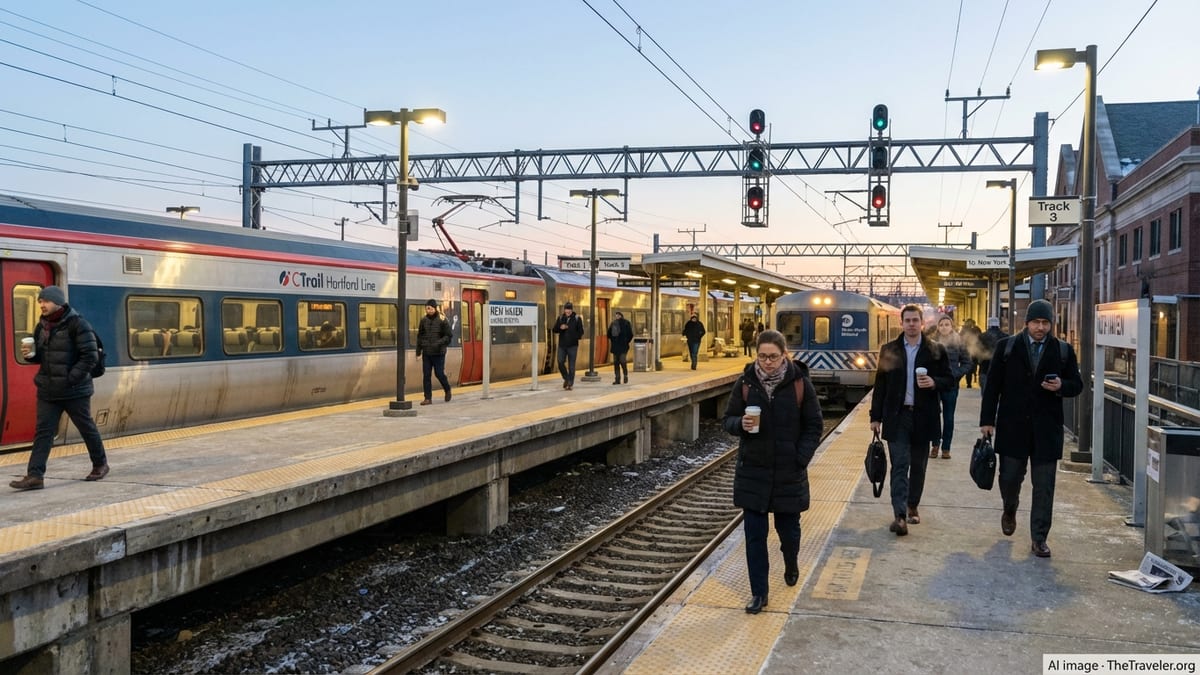
Connectivity also remains a competitive advantage. The Hartford Line rail corridor and regional bus links give visitors from New York, Boston and smaller New England cities relatively simple options for car‑free travel into the city. As more event organizers emphasize transit access in their promotional materials, transportation analysts suggest that Hartford’s role as a rail‑served hub could become an even stronger selling point for eco‑conscious travelers.
New Haven Leans Into Culinary, Academic and Nightlife Appeal
New Haven is registering some of the most visible gains in Connecticut’s urban tourism, helped by its combination of academic prestige, restaurant culture and growing hotel inventory. A recent market assessment of the downtown lodging sector shows that hotel occupancy and revenue per available room have climbed steadily since the mid‑2010s, with 2024 and 2025 data indicating particularly strong performance for upscale and upper‑midscale properties. Analysts attribute much of this momentum to sustained demand from campus‑related travel, conferences and a rising tide of leisure visitors.
The city’s culinary reputation continues to function as a powerful draw. National and regional coverage routinely cites New Haven’s pizza, global eateries and compact bar scene as must‑try experiences for visitors. This food‑forward identity is complemented by a dense cluster of galleries, performance venues and historic architecture within a walkable downtown core, creating the kind of "park once and explore" environment that short‑break travelers increasingly seek.
New Haven’s tourism appeal is also being reshaped by transit and regional planning trends. The city forms part of a larger New Haven‑Hartford‑Waterbury combined statistical area, which demographic data rank as one of the state’s largest population centers. Planners view this corridor as fertile ground for rail‑linked weekend travel, with visitors able to move between coastal attractions, inland events and university‑anchored neighborhoods without long drives.
Looking ahead, several development and public‑realm projects around the train station and harbor are expected to further knit together residential, academic and visitor districts. While some initiatives are still in planning stages, real‑estate market reports suggest that investors are increasingly confident in New Haven’s trajectory as a mid‑sized city where tourism, higher education and healthcare combine to support year‑round urban vibrancy.
Stamford Capitalizes on Waterfront Lifestyle and Events
In the southwestern corner of the state, Stamford has emerged as a magnet for visitors seeking a blend of waterfront recreation, dining and easy access to New York City. Census and demographic data identify Stamford as one of Connecticut’s largest cities by population, and local economic development materials increasingly promote its role as a regional entertainment hub, with nearly 20 miles of shoreline and a variety of nightlife districts clustered near the harbor.
Stamford’s waterfront has become central to its visitor pitch. The city’s economic development and tourism channels highlight a busy calendar of shoreline events, from summer fireworks at West Beach to seasonal concerts and outdoor movie nights. The Harbor Point and Shippan areas, in particular, have added a mix of restaurants, beer gardens and live music venues that give the city a resort‑style atmosphere during peak months. Travel features describe harbor cruises, sailing excursions and casual water taxis as part of a broader "play by the coast" experience aimed at both residents and weekend visitors.
Cultural programming continues to expand. The Stamford Art Festival, scheduled on the boardwalk overlooking the harbor in July 2026, is set to mark its eleventh edition, underscoring the staying power of art‑driven events in attracting regional visitors. In parallel, local guides and community calendars point to family‑friendly offerings at the Stamford Museum and Nature Center, as well as nature trails and beaches that appeal to travelers looking to combine city comforts with outdoor time.
Observers note that Stamford’s tourism fortunes are closely tied to its growing role as a residential and employment center for the New York metropolitan area. With frequent rail connections and highway access, the city can market itself simultaneously as an overnight base for excursions into Manhattan and as a standalone weekend destination. The challenge for local promoters is to maintain a clear identity that emphasizes Stamford’s shoreline, cultural programming and walkable districts rather than simply its proximity to the larger city to the south.
Connecticut Cities Compete and Collaborate in the Regional Market
The simultaneous rise of Hartford, New Haven and Stamford as tourism draws is reshaping how Connecticut presents itself to potential visitors. Rather than promoting a single flagship city, recent campaigns and planning documents increasingly frame the state as a cluster of complementary urban experiences, each within relatively short travel times of one another and of the state’s coastal and countryside attractions.
Tourism economists argue that this multi‑hub model offers advantages in a competitive New England market. Travelers comparing options within a five‑hour radius can now perceive Connecticut as offering a diverse set of city breaks, from riverfront festivals in Hartford to campus‑adjacent nightlife in New Haven and waterfront dining in Stamford. When combined with established draws such as Mystic, the Connecticut River Valley and casino resorts, the state is positioned as an itinerary where visitors can sample several distinct destinations over a long weekend.
State and local tourism bodies are also paying closer attention to transportation and information gaps that might prevent visitors from combining cities in a single trip. Publicly available planning materials and community discussions highlight interest in clearer wayfinding between train stations and waterfronts, coordinated event calendars and joint marketing around seasonal themes such as summer concerts or fall food festivals. Analysts suggest that such coordination could further raise average trip values by encouraging visitors to extend their stay and explore multiple city centers.
With visitor numbers and spending still trending upward as of 2024, industry observers expect Connecticut’s cities to continue refining their tourism offerings in the next few years. The trajectory of Hartford, New Haven and Stamford suggests that investments in culture, public space and waterfront access are paying dividends, helping transform the state’s image from a passthrough corridor into a destination where travelers choose to stop, stay and explore.