


More news on this day
Passengers at Copenhagen Airport on June 14 are facing widespread disruption as publicly available flight tracking data points to at least 151 delayed departures and arrivals and three cancellations, hitting services operated by SAS, Ryanair, KLM and British Airways on key routes linking Denmark with London, Paris, Amsterdam, Frankfurt and Istanbul.
Get the latest news straight to your inbox!
Major European Links Snarled by Operational Disruptions
Flight status boards at Copenhagen Airport on Sunday indicate a pronounced build up of delays on short and medium haul routes, with services to major European hubs bearing the brunt. Connections between the Danish capital and London, Amsterdam, Frankfurt, Paris and Istanbul have all seen departures pushed back, with knock on effects reported across the wider European network.
Scandinavian Airlines, which uses Copenhagen as a primary hub, features prominently among the delayed services. Real time tracking platforms show multiple SAS departures running behind schedule on intra European routes, including flights serving London Heathrow and other key business destinations. Some arrivals into Copenhagen from major European cities have also landed significantly later than timetabled, compounding the congestion.
Ryanair, KLM and British Airways services are also affected, with publicly available data pointing to late running flights on routes connecting Copenhagen to London and Amsterdam as well as other continental hubs. Even relatively short sectors have recorded delay intervals of more than half an hour in certain cases, straining airport turnaround times and putting pressure on evening schedules.
While the overall number of cancellations remains low compared with delays, three scrapped services combined with the volume of late departures have been enough to create bottlenecks in both terminal operations and airfield movements, as aircraft and crews are repositioned to recover disrupted rotations.
SAS, Ryanair, KLM and British Airways Under Strain
The latest disruption comes at a busy time for the carriers most exposed at Copenhagen. SAS, which operates hundreds of weekly departures from the airport, is managing a dense schedule that stretches from domestic Scandinavian hops to long haul intercontinental services. Industry monitoring sites have highlighted a cluster of delayed SAS departures and arrivals, including services to and from London, Zurich and other European cities, with some flights arriving more than 30 minutes behind schedule.
Ryanair, which focuses on point to point traffic, has also registered delayed movements to and from Copenhagen, adding to the operational complexity. Even when individual delays are relatively modest, the cumulative effect across an airline’s daily program can be significant, altering crew duty times and reducing buffers intended to absorb minor schedule slippages.
KLM and British Airways, both reliant on hub and spoke models feeding Amsterdam Schiphol and London Heathrow respectively, are particularly sensitive to timing at outstations such as Copenhagen. When departures from Denmark run late, passengers can miss onward connections, forcing airlines to rebook travelers and adjust inventory across subsequent flights. According to published coverage and live schedule data, both carriers have faced pockets of delay on their Copenhagen services today, mirroring wider congestion across parts of the European network.
Although only a small number of flights have been cancelled outright at Copenhagen, each cancellation can displace hundreds of passengers. Reaccommodating these travelers on already busy services to key hubs like London, Paris and Frankfurt places further pressure on airline yield management and ground handling resources.
Ripple Effects Across London, Paris, Amsterdam, Frankfurt and Istanbul
The concentration of delays at Copenhagen is feeding into a broader pattern of strain at Europe’s largest hubs. Aviation data providers tracking movements across the continent on June 14 report extensive congestion at major airports, including London Heathrow, Amsterdam Schiphol, Frankfurt and Paris Charles de Gaulle, with more than a thousand delayed flights recorded across Europe.
Because Copenhagen serves as both an origin and transfer point for traffic into these hubs, any departure slippage out of Denmark can quickly transmit downstream. Passengers flying from regional Scandinavian cities via Copenhagen to London or Amsterdam, for example, may find their connecting windows squeezed or missed entirely, prompting rebookings and overnight stays. In turn, this can reduce available capacity for travelers originating in major hubs who are bound for Copenhagen or further afield.
Istanbul has also been drawn into the disruption, as carriers link Copenhagen to the Turkish metropolis and beyond. Even if services on this route operate close to schedule, delays on feeder flights into Copenhagen can leave some passengers stranded short of their long haul connection. Airlines then have to juggle reallocation of seats on later departures and manage accommodation obligations for affected customers.
The interconnected nature of European air travel means that localized operational issues at one airport rarely remain isolated. The combination of high summer demand, tight schedules and limited slack in aircraft and crew availability increases the risk that delays at Copenhagen will continue to reverberate across the network into the evening and potentially into the start of the new week.
Weather, Congestion and Network Pressures Combine
While Copenhagen Airport is generally regarded as one of Europe’s more efficient hubs, a mix of factors has contributed to the current disruption. Meteorological data from the airport on Sunday morning shows overcast conditions and relatively benign winds, but the wider European air traffic system has been grappling with airspace constraints and heavy traffic loads, particularly in central and western Europe.
Eurocontrol’s recent briefings on European punctuality trends point to mounting air traffic flow management delays affecting several major airline groups that operate through hubs such as London, Paris and Amsterdam. These system wide issues can force aircraft into holding patterns, lead to en route rerouting, and ultimately push arrivals beyond their scheduled slots, causing airlines to miss their targeted turnaround times at airports like Copenhagen.
Operational experts also highlight how tight schedules and high aircraft utilization leave little margin for recovery once early delays accumulate. A single late inbound flight can set back multiple subsequent departures if the same aircraft is scheduled for a series of rotations through the day. With summer demand approaching peak levels, spare aircraft and standby crews are in limited supply, making it harder for airlines at Copenhagen to isolate and resolve individual disruptions before they spread.
Publicly available punctuality statistics for Copenhagen in recent periods show relatively strong on time performance overall, but they also underline how even a modest rise in average delay minutes can translate into a high number of disrupted passengers when traffic volumes are high, as they are in mid June.
What Passengers Can Expect and How to Navigate the Disruption
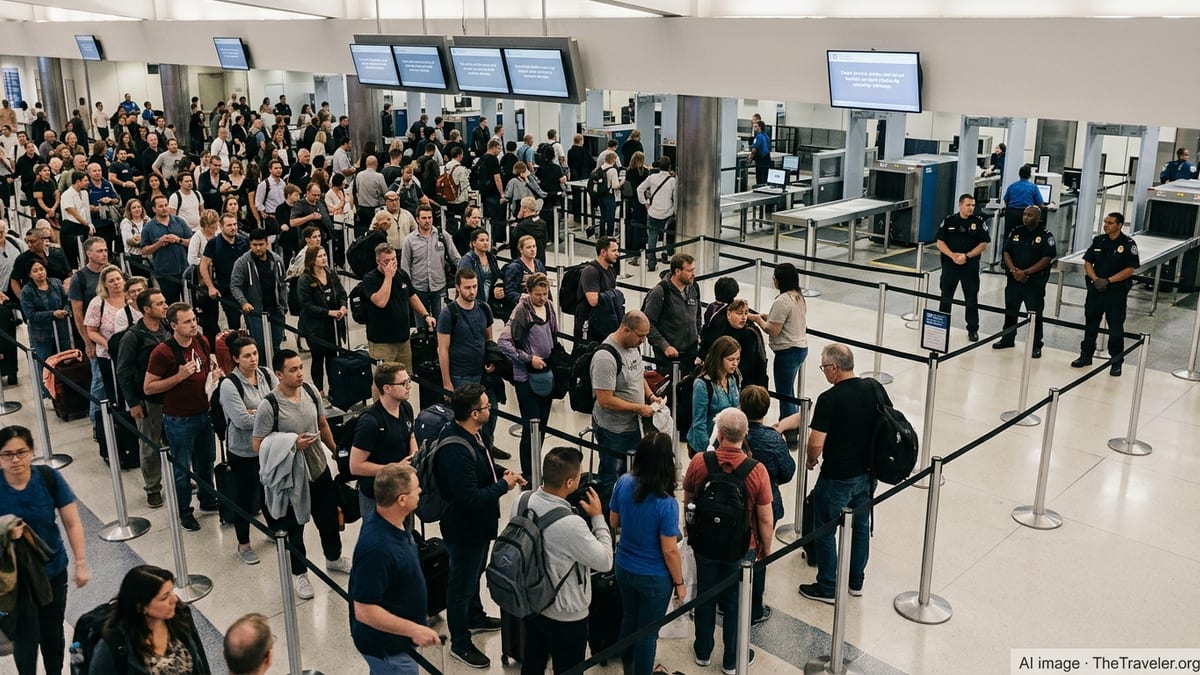
For travelers passing through Copenhagen on June 14, the immediate impact is visible in longer queues at check in, security and boarding gates, as well as busier transfer areas as passengers seek assistance and updated itineraries. Airport information screens and airline apps show a growing list of flights marked delayed, with some departures pushed back by 30 minutes or more.
Consumer advocates note that, under European passenger rights rules, travelers departing from Copenhagen or flying into the airport on an EU carrier may be entitled to care such as meals and refreshments during extended waits, and in some cases to financial compensation if their delay or cancellation meets specific criteria. However, passengers are advised to review the exact conditions of the regulations and any exemptions that may apply, particularly where disruptions are linked to broader air traffic control or weather related constraints.
Travelers affected by the current disruption are generally encouraged by publicly available guidance to monitor their airline’s digital channels closely for rebooking options, to keep documentation such as boarding passes and receipts for any additional expenses, and to allow extra time at the airport in case security or boarding processes are slowed by congestion.
With Copenhagen Airport and its airline partners working to absorb the shock of more than 150 delays and a handful of cancellations in a single day, the pace of recovery will depend on how quickly schedules can be realigned and whether further ripple effects emerge across the European network in the hours ahead.