


More news on this day
Hundreds of air travelers were stranded in Chicago over the weekend after a fresh wave of thunderstorms compounded an already fragile flight network, with publicly available trackers showing around 340 delays and at least 20 cancellations affecting American, SkyWest, United and other carriers serving routes across the United States, Canada, Mexico, the United Kingdom, France, Germany and beyond.
Get the latest news straight to your inbox!
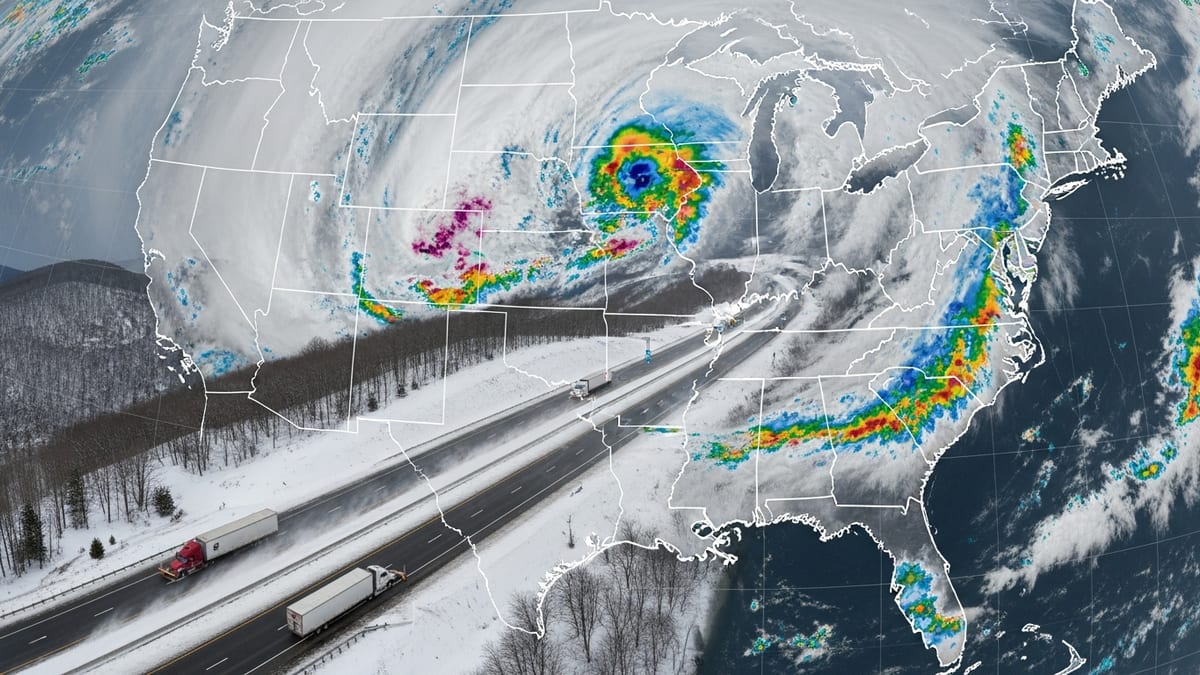
Chicago Weather Turmoil Pushes Airports to the Brink
The latest disruption comes on the heels of several days of severe weather in the Midwest, where thunderstorms and tornado warnings around Chicago have repeatedly triggered ground stops and cascading delays at O’Hare and Midway. Local and national coverage in recent days has documented multiple rounds of storms sweeping through northern Illinois, prompting safety halts on arrivals and departures and forcing airlines to reshuffle schedules throughout their networks.
Tracking data for Sunday at Chicago’s main hub shows hundreds of flights departing late and scores of arrivals held in queues as airlines waited for windows in the weather. While the number of outright cancellations was lower than during the worst of last week’s tornado threat, the concentration of delayed departures pushed terminals to capacity and left long lines at customer service counters as passengers tried to salvage connections.
Operational summaries indicate that American Airlines, United Airlines, regional operator SkyWest and several other domestic and international carriers all reported knock-on effects from the Chicago storms. With O’Hare operating as a critical connection point for both U.S. and transatlantic traffic, even short ground stops translated into hours of disruption for travelers heading to and from major cities across North America and Europe.
Airline advisories and airport dashboards show that the timing of the storms was particularly damaging, hitting during peak afternoon and evening bank periods when connection volumes are highest. That timing amplified the number of missed onward flights and left many travelers facing unexpected overnight stays in Chicago.
Ripple Effects Across North America and Europe
Because Chicago is one of the busiest hubs in the world, delays and cancellations there tend to radiate quickly through the wider system. Flight-tracking snapshots on Sunday showed late departures from O’Hare and Midway feeding into secondary delays at airports in Canada and Mexico, as well as along the U.S. East and West Coasts, where aircraft and crews arrived out of position.
Publicly available data and published reports on recent disruptions highlight how this pattern typically plays out: flights from Chicago to Toronto, Montreal, Vancouver and Mexico City arrive late, forcing those airports to re-time onward departures and compress already tight turnaround windows. Similar issues emerge on services linking the Midwest hub to leisure destinations and business centers across the United States, with aircraft that should be cycling on to secondary routes instead sitting on ramps waiting for gates or crews.
Transatlantic connections are particularly vulnerable. O’Hare functions as a gateway for services to London, Manchester, Paris, Frankfurt and other European cities, many of which are scheduled to depart in concentrated evening waves. When storms push those departures back or force a small number of cancellations, travelers can lose same-day options across the Atlantic and face lengthy rebooking queues at the airport and via call centers.
Recent coverage of similar events at other major hubs underscores how quickly a local weather problem can become an international issue. Disruptions in Chicago this week followed earlier episodes at airports such as New York Kennedy and LaGuardia, where smaller numbers of cancellations and delays still managed to tangle long-haul networks to Canada, the United Kingdom and the Middle East. The latest Chicago turmoil slots into that broader pattern of fragile global connectivity during peak travel season.
American, United and SkyWest Under Strain
Operational statistics for Sunday place American Airlines and United Airlines among the carriers most exposed to the Chicago disruption, reflecting their large schedules at O’Hare and, in American’s case, further east at other weather-affected hubs. SkyWest, which operates regional flights on behalf of several major brands, also appears prominently in delay tallies because of its dense network of feeder services into Chicago.
Publicly accessible airline-performance dashboards from recent weeks show that each of these carriers has already been managing elevated delay and cancellation rates during stormy periods. On busy days, American has seen hundreds of delayed departures across its network, while United has issued travel waivers for Chicago-bound passengers as forecasters flagged severe thunderstorms. SkyWest’s smaller regional jets often sit at the intersection of those larger disruptions, carrying passengers from smaller cities who rely on Chicago as their link to international flights.
While airlines typically stress that safety-driven weather decisions fall outside their control, the uneven handling of passenger support during irregular operations has been a recurring theme in recent coverage. Reports from previous storms this month described crowded terminals, long lines for rebooking, and confusion around meal and lodging options when delays stretched into overnight hours.
Consumer advocates note that, even in weather events, airlines retain responsibility for timely communication, realistic rebooking options and accurate information in their apps and at the gate. In the Chicago disruptions, passengers reported via public forums that rolling delay estimates and late-breaking cancellations made it particularly difficult to decide whether to wait at the gate, seek alternative routings, or arrange hotels on their own.
Travelers Face Missed Connections, Long Queues and Limited Support
For passengers on the ground, the human impact of 340 delays and multiple cancellations in a single metropolitan area is measured in missed family events, business meetings and long hours on terminal floors. Social media posts and online travel communities over the past several days have been filled with photos of packed concourses at O’Hare, with travelers clustered around departure screens as storm cells moved through the region.
In many cases, the primary challenge was not the initial delay but the collapse of carefully planned connection chains. A late afternoon departure from Chicago to the East Coast might still reach its destination before midnight, but any onward link to Europe, Canada or Mexico could already be lost by the time passengers disembark. With summer schedules already tight, same-day alternatives for transborder and transatlantic flights are limited, leaving some travelers rebooked one or even two days later.
Lines for customer service frequently stretched across terminal corridors as passengers tried to secure earlier options or discuss vouchers and refunds. Experiences varied significantly by carrier and ticket type, with some travelers indicating that digital rebooking tools provided quick options while others reported being funneled through congested phone lines and chat systems that struggled to keep pace with the volume.
Observers note that the Chicago storms struck at a moment when airlines and airports are still recalibrating staffing levels and customer-service models. Recent industry moves toward app-based support and reduced physical counters have been praised for efficiency during normal operations, but travel bloggers and passenger-rights groups argue that these approaches can leave travelers feeling unsupported during large-scale disruption events.
What Passengers Can Expect in the Coming Days
With more unsettled weather forecast for parts of the Midwest and East Coast, schedules into and out of Chicago are expected to remain sensitive to further disruption. Airline operations teams typically work through backlogs over several days, repositioning aircraft and crews, which means even flights operating under clear skies can still be affected by earlier storms.
Travel analysts say passengers with itineraries touching Chicago, whether as origin, destination or connection point, should be prepared for possible rolling delays and minor schedule changes in the short term. Publicly available guidance from airlines and regulators emphasizes regularly checking flight status, enabling notifications in airline apps, and arriving at the airport with additional time during active weather alerts.
For international travelers, the knock-on effects can be more pronounced. Missed connections from Chicago to Europe or Latin America may require overnight stays and reissued tickets, especially when aircraft are already heavily booked for peak-season demand. Travel-insurance providers and credit-card issuers continue to remind customers that many policies include coverage for extended delays, hotel costs and some incidental expenses when disruptions meet specified thresholds.
Industry observers point out that, while severe thunderstorms and tornado risks are a recurring feature of Midwestern summers, the combination of high travel demand, tightly wound schedules and evolving customer-service models has made each new weather event more likely to strand large numbers of travelers. The latest gridlock in Chicago, with hundreds of delays and dozens of cancellations rippling outward across the United States, Canada, Mexico, the United Kingdom, France and Germany, underscores how quickly a single regional storm system can reverberate through a global network.