


More news on this day
Holidaymakers leaving Costa Rica at the end of midyear breaks faced long lines, schedule disruptions and weather related slowdowns on Sunday, as heavy traffic through the country’s main international gateways collided with peak season demand.
Get the latest news straight to your inbox!
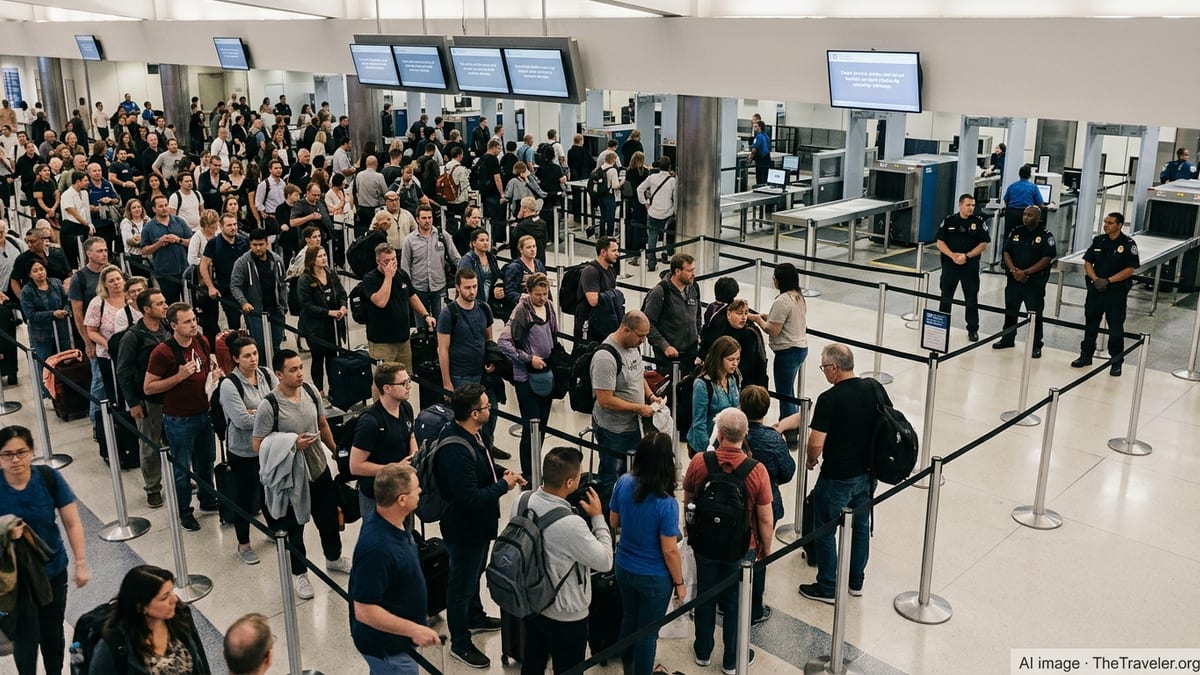
Weather and Peak Demand Create Bottlenecks at SJO
Publicly available flight tracking data for Sunday, July 12, 2026, shows Juan Santamaría International Airport outside San José operating through periods of light rain and low cloud, with a dense afternoon departure bank to North America and Europe. Several outbound flights, including services to major U.S. hubs, departed behind schedule as aircraft waited for arrival slots and turnarounds in constrained ramp space.
Traffic patterns indicate that San José handled a typical rainy season mix of regional connections to Panama City and other Central American cities alongside long haul departures to Atlanta, Zurich and multiple U.S. gateways. Even where individual flights arrived close to schedule, the knock on effect of congestion at security, immigration and departure gates contributed to slow passenger processing during the late morning and afternoon peaks.
Travel planning forums and recent posts from visitors describe San José’s arrivals and departures areas as particularly stretched on busy Sundays, with some travelers reporting wait times of more than an hour at check in and security during high season. On a return weekend that coincided with the end of school holidays and international summer vacation travel, those pressures multiplied for outbound passengers trying to make onward connections in the United States and Europe.
Operational publications issued by Costa Rica’s civil aviation authorities also point to an extended period of infrastructure works at the country’s main hub. Notices covering the execution of projects at Juan Santamaría from late 2025 through mid 2026 highlight runway and airfield improvements that can require tighter scheduling of aircraft movements, especially in poor weather.
Liberia and Coastal Gateways Feel the Ripple Effect
While most attention focused on the capital’s main airport, data from airlines and traveler reports suggest Daniel Oduber Quirós International Airport in Liberia, which serves Guanacaste’s beach resorts, also experienced heavier than usual crowds on Sunday. As vacationers checked out of Pacific coast hotels and shuttled north to catch morning and midday flights to the United States, queues built up at airline counters and security filters.
Liberia has grown as a preferred entry and exit point for visitors headed directly to coastal destinations, with North American carriers adding summer frequencies to meet demand. On a peak return Sunday, that concentration of departures within a relatively tight window raises the likelihood of delays if any inbound aircraft arrive late or if storms develop over the Nicoya Peninsula and Gulf of Papagayo.
Smaller coastal and regional airfields, including privately managed airports that connect popular surf towns and eco lodges with San José, can also be vulnerable when weather or air traffic constraints affect the main hubs. When morning flights into San José run behind schedule, afternoon connections out of the capital may be compressed, leaving travelers with less margin for onward international departures.
Travelers posting over recent months on Costa Rica focused discussion boards have described missed or tight connections after domestic flights were held for weather or air traffic spacing. On a day when many itineraries hinge on same day transfers from the coast back to San José or Liberia for overnight flights home, even modest schedule changes can cascade into missed seats on heavily booked services.
Road Congestion Compounds Airport Pressures
The difficulties in the air on Sunday were closely linked to conditions on the ground. Transport notices and local coverage ahead of the midyear break highlighted special traffic operations on Route 27, the toll motorway linking the Pacific coast with the Central Valley, including reversible lane plans for Sunday, July 12, to handle the surge of vehicles returning toward San José.
Reports from previous peak weekends show that when the reversible lane system is in effect, travel times from beach destinations can still stretch to several hours because of bottlenecks near toll plazas and at the approach to the capital. For departing air passengers, late afternoon backups on Route 27 translate directly into missed check in cutoffs at San José and Liberia, even if flights are operating within normal margins.
Travel advice shared by residents and frequent visitors in recent months has consistently warned that Palm Sunday, Easter Sunday and midyear holiday return days see some of the worst congestion of the year on the main approach roads to the airports. On this latest busy Sunday, motorists returning from the Pacific coast again contended with slow going, complicated by periodic rain showers and minor incidents that further reduced speeds.
For many travelers, the combination of long waits at highway choke points and crowded airport facilities turned what began as a relaxed beach getaway into a stressful race to reach the terminal with enough time to clear check in, immigration and security queues before departure.
Global Strains Highlight Costa Rica’s Vulnerabilities
The disruptions in Costa Rica unfolded against a broader backdrop of strain across the global air travel system this summer. Recent coverage of airport operations in the United States and Europe has documented staffing gaps, infrastructure constraints and weather related ground stops that have produced waves of delays and cancellations at major hubs during busy weekends.
Issues at foreign hubs can have an immediate impact on Central American airports, where many departures rely on aircraft cycling through long haul or multi leg routes. If a jet begins the day delayed leaving a North American or European city, its subsequent arrival in San José or Liberia will often be pushed back, leaving outbound passengers waiting at the gate and compressing turnaround times.
Consumer reports from transportation regulators show a persistent pattern of long tarmac delays, diversions and ground holds associated with weather and airspace congestion at large U.S. airports. When those events occur on a Saturday or Sunday in peak season, the repercussions frequently spill into Central American routes that depend on the same fleets and crews.
With Costa Rica heavily reliant on inbound tourism from North America and Europe, any disruption along those corridors on busy weekends effectively reduces the resilience of its own airports, where terminal capacity and apron space are more limited than at large international hubs.
Advice for Travelers Navigating Peak Sundays
Recent traveler experiences and publicly available operational information point to several strategies for those planning departures from Costa Rica on future busy Sundays. Many seasoned visitors now recommend arriving at San José or Liberia at least three hours before scheduled departure for international flights, and building in additional time if driving from coastal regions prone to heavy traffic.
Monitoring airline apps and flight tracking tools on the morning of departure can offer early clues about upstream delays on inbound aircraft, allowing passengers to adjust transfer times where possible. Travel planners also suggest avoiding tight same day connections through major U.S. hubs during peak summer weekends, instead opting for longer layovers that provide a buffer when the system slows.
Some travelers are choosing to spend their final night in San José or Liberia rather than at the beach, trading an extra evening on the coast for the reassurance of a short morning transfer to the airport. Others seek out early morning or late night departures that fall outside the heaviest mid day departure waves, reducing exposure to the longest lines in security and immigration.
For those already committed to peak Sunday itineraries, flexibility and patience remain essential. Even when flights eventually depart and arrive safely, the combination of crowded terminals, stormy skies and saturated road networks means that the journey home from Costa Rica at the end of a holiday can be considerably more complicated than the trip in.