


More news on this day
Tunisia is moving to upgrade rail links serving Carthage and the wider Tunis metropolitan area, with Chinese rolling stock giant CRRC securing two new electric multiple unit contracts that promise faster, more reliable connections for residents and visitors alike.
Get the latest news straight to your inbox!
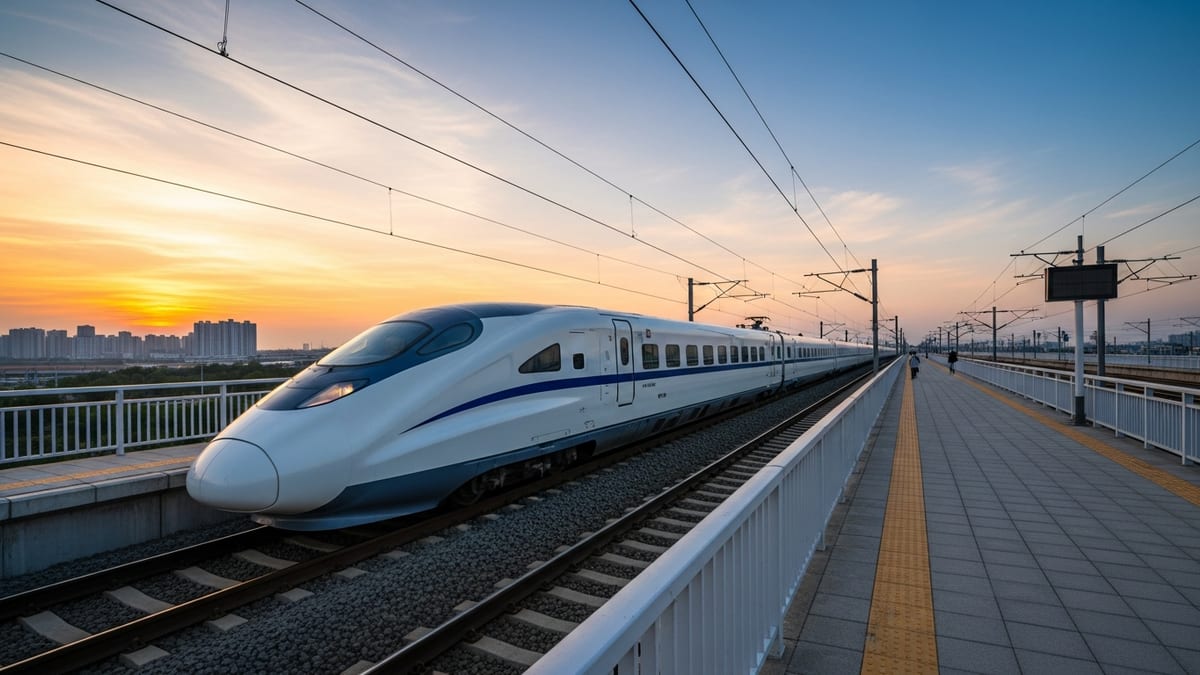
New electric trains for the historic TGM coastal line
Published coverage in Tunisia indicates that the Tunis public transport operator Transtu has signed a contract with CRRC Nanjing Puzhen for 18 new electric multiple units dedicated to the Tunis–La Goulette–La Marsa (TGM) railway. This suburban line hugs the coast from the capital to the northern suburbs, serving landmark destinations such as Carthage, Sidi Bou Saïd and La Marsa, and is one of the country’s oldest rail corridors.
The agreement, reported in mid July 2026, forms part of a broader modernisation plan for the TGM, which has long been an essential commuter artery but has suffered from aging rolling stock and service disruptions. The new Chinese built trains are expected to replace older units and increase capacity on peak services linking downtown Tunis with seaside neighborhoods and key archaeological and cultural sites around Carthage.
According to information released about the deal, the 18 EMUs will be designed specifically for intensive suburban operation, with a focus on quick boarding and alighting and improved accessibility. For everyday passengers, that should translate into shorter waiting times and more reliable timetables. For travelers, including those heading to Carthage’s Roman ruins or the cafes of Sidi Bou Saïd, the investment signals a more comfortable and predictable journey along the bay of Tunis.
The TGM contract also underscores the growing role of Chinese suppliers in North African urban rail projects. CRRC has been expanding its footprint across the region, and the TGM order positions the company at the heart of daily mobility in the Tunis metropolitan area, where rail improvements are seen as critical to easing road congestion.
Five EMUs ordered for Tunis rapid rail expansion
Separately from the TGM agreement, the Tunisian National Railways Company, SNCFT, has announced a contract with CRRC for the acquisition of five new electric trains for the capital’s rapid rail network. A statement on the company’s official channels describes an order valued at just over 38 million euros, aimed at strengthening services on the developing Réseau Ferroviaire Rapide that connects central Tunis with fast growing suburbs.
The contract, signed in late June 2026, adds new capacity to a system that is still being extended and fine tuned after years of construction and delays. Publicly available information shows that the first batch of trains is scheduled to be delivered within two years of signature, suggesting initial units could arrive around 2028 if the timetable is maintained.
These EMUs are expected to operate on electrified commuter corridors managed by SNCFT, complementing the light rail and metro lines managed by Transtu. While exact deployment plans have not been detailed, the new stock is designed for high frequency urban and suburban services, potentially including routes that intersect with the lines feeding Tunis–Carthage International Airport and the historic center.
Together with the TGM order, the SNCFT contract gives CRRC a dual presence on both coastal and inland axes of the Tunis rail network. It also aligns with government plans described earlier in 2026 to accelerate major transport infrastructure projects in the 2026–2030 development plan, including improved rail links between Tunis and its airport and suburbs.
What the contracts mean for travelers to Carthage
For international visitors, the practical outcome of these two contracts will be felt most on journeys between downtown Tunis, Carthage and the northern beach suburbs. The TGM is the classic route for reaching the Carthage archaeological parks and Sidi Bou Saïd from the city, and it begins at Tunis Marine station near the central business district. Once the new EMUs are in service, travelers should encounter cleaner interiors, better air conditioning and smoother acceleration compared with some of the aging trains still in circulation today.
The upgraded fleet is also expected to enhance reliability. Reports over recent years have frequently highlighted service interruptions and overcrowding on the TGM, especially at rush hours and during the summer peak when visitors converge on coastal resorts. Additional and more modern trainsets allow the operator to schedule more frequent services and to provide redundancy when maintenance is required, reducing the risk of long gaps between trains.
On the rapid rail side, the five new SNCFT EMUs are part of a longer term reshaping of how travelers access the capital and its airport. Government briefings on strategic projects in 2026 have underlined ambitions for a higher performance rail corridor and a dedicated rail link between Tunis–Carthage International Airport and the city center. While the CRRC trains under the new contracts are not exclusively tied to an airport shuttle, they will expand the pool of electric stock available for any future rail services that connect visitors more seamlessly from plane to city and onward to coastal suburbs.
For travelers planning trips in the near term, it is important to note that these improvements will not arrive overnight. Delivery schedules span several years, meaning that for now, passengers will continue to rely on the existing mixed fleet while works proceed. However, the contracts provide a clearer roadmap for a modernised, largely electric suburban network around Tunis that places Carthage firmly on a more reliable rail grid.
Strategic shift toward electric urban mobility
The paired contracts with CRRC highlight a broader shift in Tunisian transport policy toward electric rail as the backbone of urban mobility. Official communications from the government over the past year have repeatedly framed urban rail upgrades as a way to combat road congestion, cut pollution and support tourism. Electrified suburban lines require substantial upfront investment in infrastructure and rolling stock, but they offer lower operating emissions and greater capacity than equivalent bus fleets on congested streets.
In the case of Tunis, the emphasis on rail is particularly significant because the city already has multiple modes in place, including light rail trams, buses and conventional regional trains. Integrating new EMUs into both the TGM and the rapid rail network creates opportunities for better timed connections and more coherent ticketing and service patterns. Travelers could ultimately see more seamless transfers between central rail hubs and outlying districts, making it easier to move from a hotel in downtown Tunis to a guesthouse overlooking the ancient harbors of Carthage.
The involvement of CRRC also illustrates how global rail manufacturers are competing for influence in North Africa’s emerging rail corridors. Tunisia has historically sourced equipment from a variety of partners, and the latest deals add a Chinese dimension to a landscape that already includes European and Asian suppliers. For Tunisian operators, this diversification can bring technological benefits and financing options, while also requiring careful attention to maintenance standards and staff training as new fleets are introduced.
As plans progress and contracts move from paperwork to production, the impact will be monitored closely by commuters and visitors alike. For many, the key test will come when the first new train rolls out along the bay, gliding past the remains of ancient Carthage and proving that Tunis’s long discussed rail modernisation is finally gathering speed.