


More news on this day
Fresh 2026 data from analytics firm GuestFavorites confirms that France has become Europe’s largest single-country short-term rental market on Airbnb, with nearly 782,000 active listings and solid national occupancy, while Eurostat and European Travel Commission figures show France also leading the continent in overall platform-based guest nights and supply, reshaping how visitors book stays in Paris and the country’s coastal hotspots.
Get the latest news straight to your inbox!
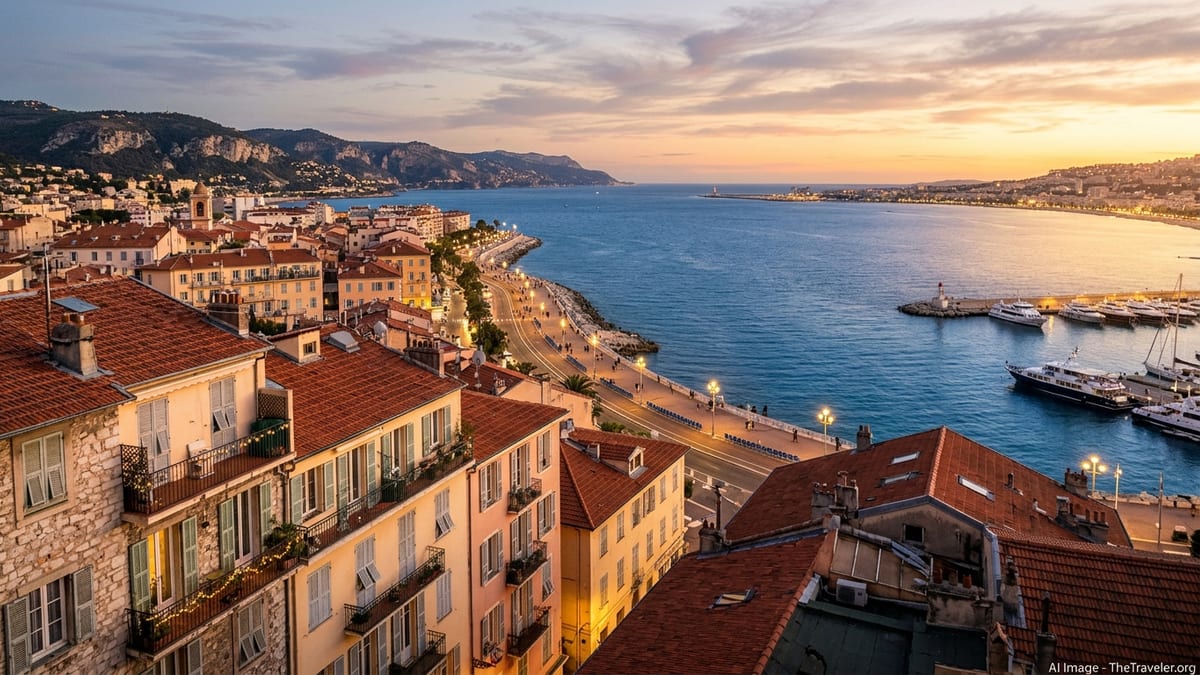
France’s short-term rentals lead Europe on size and platform demand
The latest nationwide snapshot from GuestFavorites, covering October 2025 to September 2026, identifies 781,943 active Airbnb listings in France, with an average occupancy rate of 58%, an average daily rate of about €137 and estimated average annual revenue per listing close to €29,500. The dataset spans 15 French regions and confirms a deep pool of apartment-style and holiday-home accommodation across the country rather than just in a handful of cities.
Separate figures from the European Travel Commission’s most recent European short-term rental report indicate that France remains the largest short-term rental market in Europe by total properties, with around 1.34 million short-term rental units as of September 2026. This represents roughly 23% of all European supply, significantly ahead of Italy, the second-largest market by active listings.
Eurostat’s latest collaborative platform statistics for 2025 add a demand-side perspective. They show that guests spent more than 200 million nights in France in short-stay accommodation booked via large online platforms over the year, the highest total in the European Union. Paris tops the city rankings for these platform-booked nights, reinforcing France’s position as Europe’s central hub for short-term rental travel.
How Paris, Nice and Cannes concentrate Airbnb revenue
GuestFavorites’ city-level data underline how much of this revenue potential is concentrated in a few flagship markets. In Paris, the service counts about 34,400 active Airbnb listings with an average occupancy rate of 73%, an average nightly rate of roughly €233 and indicative annual revenue of around €61,700 per listing. That makes the French capital not only the largest individual city market for Airbnb in the country by supply, but also one of the highest-earning on a per-listing basis.
On the Côte d’Azur, the same dataset highlights Cannes and Nice as powerful examples of how coastal tourism converts into host income. Cannes hosts just over 10,200 active Airbnb listings, with an average daily rate around €240 but a lower occupancy rate of about 51%, reflecting strong peaks around major events such as film and television festivals and trade fairs. Nearby Nice has more than 9,200 listings, with occupancy closer to 70% and a lower average nightly rate of about €154, translating into estimated annual revenue near €39,500 per listing, a level supported by a long Mediterranean season and steady city-break demand.
Across these three cities, the pattern is similar: Airbnb supply is dense, nightly rates at the top end of the French spectrum and occupancy robust, helping to concentrate a large share of France’s platform-based accommodation revenue into a handful of high-profile urban and coastal hubs even as the national market becomes more geographically diverse.
What scale means for travelers: pricing, availability and trade-offs
For travelers, the size of France’s short-term rental market shows up most clearly in availability and price. In Paris, the high number of active listings gives visitors more choice of studios and family-size apartments in central neighborhoods than the traditional hotel stock could offer on its own, especially during peaks such as summer holidays and major trade fairs, but average nightly rates in central districts are also among the highest in Europe for platform stays.
In Nice and Cannes, substantial Airbnb inventory means that travelers can often find entire apartments in or near historic centers and seafront areas during high summer or festival weeks when hotel rates climb, though these periods also see some of the steepest platform prices on the French Riviera. Outside these hotspots, GuestFavorites’ regional figures show lower typical nightly rates and more moderate occupancy in many inland and secondary coastal markets, giving budget-conscious visitors alternatives within the same country.
Because platforms now account for a significant share of total guest nights in France, visitors planning trips in 2026 and 2027 should treat Airbnb and other short-stay platforms as a mainstream part of the accommodation mix rather than a niche option. At the same time, local registration rules and caps mean that listings can be added or withdrawn quickly in some districts, so it remains worth checking how far ahead events or school holidays affect availability and minimum-stay requirements in the specific neighborhood you plan to book.
Regulation and data transparency: France’s contested leadership
France’s rise as Europe’s dominant short-term rental market has taken place under steadily tightening regulation. National rules cap how often primary residences can be rented as furnished tourist accommodation each year, and a 2024 law allows municipalities in high-pressure housing areas to reduce that ceiling further. Major cities such as Paris and several Riviera municipalities have introduced or expanded registration schemes, local caps and enforcement measures aimed at keeping more homes in the long-term market and managing pressure in historic centers.
Even with that backdrop, the latest European Travel Commission and Eurostat data show that France still leads the continent in both platform-based short-stay supply and guest nights, suggesting that regulatory tightening has moderated but not reversed growth. Studies commissioned by European institutions point to short-term rentals being highly concentrated in tourist-heavy coastal zones and major cities, while the broader impact on national housing markets remains contested between policymakers, housing advocates and platform operators.
Looking ahead, new EU rules on data-sharing and platform transparency are expected to increase the amount of granular information available to national and local authorities, including the number and distribution of active listings and nights sold in each municipality. For travelers, this will not directly change booking processes, but it should result over time in clearer, more consistent local rules and more precise public data on how short-term rentals in hubs like Paris, Nice and Cannes fit within France’s wider tourism economy.