


More news on this day
A major cruise ship operating Alaska itineraries has recorded its fourth outbreak of gastrointestinal illness this year after a recent call in Juneau, intensifying scrutiny of shipboard hygiene and the growing number of stomach-related incidents on popular northern routes.
Get the latest news straight to your inbox!
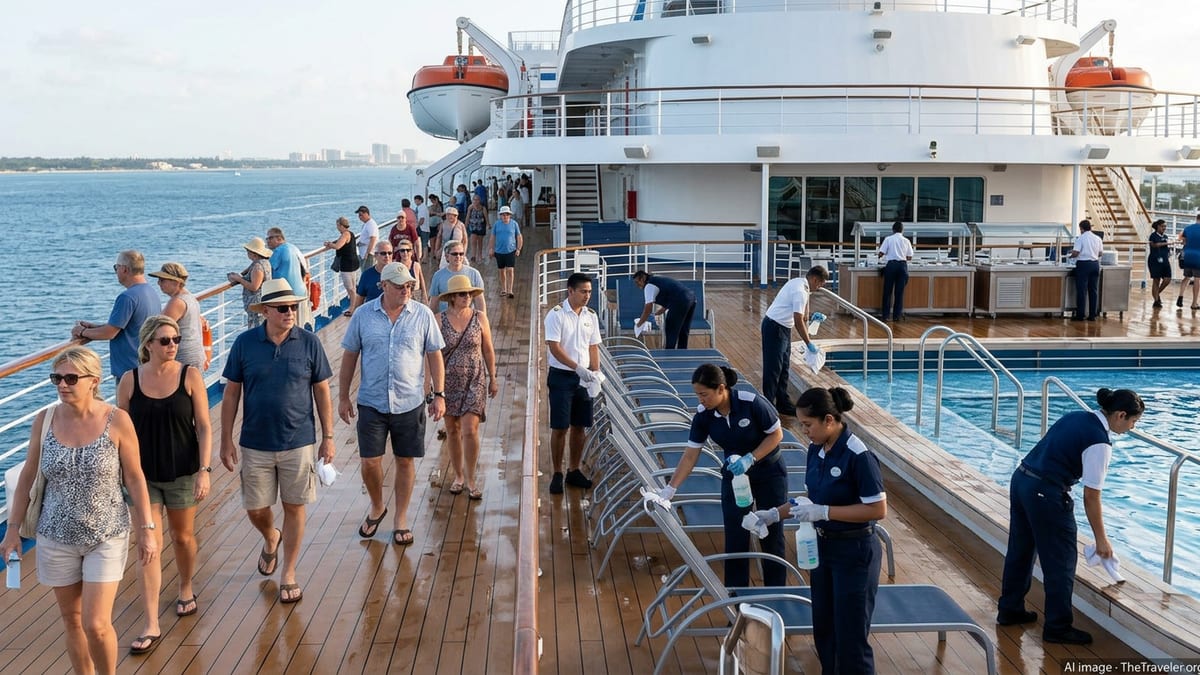
New Outbreak Follows Juneau Port Call
Publicly available outbreak tracking shows that a large cruise vessel sailing roundtrip from San Francisco to Alaska recently reported fresh cases of gastrointestinal illness shortly after docking in Juneau. The voyage, which departed California in mid-June and returned in early July, included an overnight stop in the Alaska capital as part of a standard Inside Passage itinerary.
According to published coverage drawing on federal outbreak listings, more than one hundred passengers and a couple of dozen crew members experienced symptoms consistent with acute gastroenteritis during that sailing. The pattern mirrors a series of norovirus-identified or suspected outbreaks across the Alaska cruise season, with this latest incident representing the fourth such stomach-illness event linked to the same ship in 2026.
The affected voyage followed a similar route to other high-profile Alaska cruises, combining scenic glacier viewing with port days in Juneau and other Southeast communities. While normal operations continued, reports indicate that the illness cluster crossed the reporting threshold used by United States health authorities for cruise-ship gastrointestinal events, placing the ship back on the official outbreak list.
Subsequent reporting suggests that additional, smaller numbers of cases have been logged on later sailings of the same vessel, though at levels below the earlier outbreak. These developments have fueled traveler concern about whether contamination from one voyage can carry over to the next if pathogens are not fully cleared from shared spaces.
Pattern of Repeated Gastrointestinal Clusters
The latest Juneau-linked outbreak is notable not only for its size but also for its place in a pattern of recurring gastrointestinal clusters on the same vessel. Cruise-focused outlets and regional newsrooms have documented at least four distinct episodes of stomach illness on board the ship since the beginning of 2026, including multiple suspected norovirus events.
Across those sailings, hundreds of travelers in total have reported symptoms that match typical gastroenteritis, such as vomiting and diarrhea. While most cases appear to have been mild to moderate and resolved without hospitalization, the recurrence rate on one ship stands out even in a year when overall federal counts show fewer cruise outbreaks than during some earlier seasons.
The Alaska region has seen other ships affected as well. Smaller expedition-style vessels and mid-size cruise ships calling in Juneau, Sitka, and other Southeast ports have reported separate bouts of gastrointestinal illness in recent weeks, some of them also identified as likely norovirus. Together, these incidents paint a picture of a busy cruise corridor where several operators are grappling with similar health challenges at the same time.
Industry observers note that repeated outbreaks on a single vessel can be difficult to resolve once a virus becomes embedded in high-touch areas or food-service environments. Even extensive cleaning between cruises may not fully eliminate risk if new cases are introduced by embarking passengers or crew members who are incubating an infection but have not yet developed symptoms.
How Norovirus and Similar Illnesses Spread at Sea
Health agencies describe norovirus as one of the most common causes of acute gastroenteritis worldwide, and it has been repeatedly linked to outbreaks on cruise ships. The virus is highly contagious and can spread via contaminated food and water, contact with infected individuals, or touching surfaces where viral particles are present.
The cruise-ship environment can amplify that risk. Thousands of people share dining rooms, buffets, restrooms, elevators, and recreational facilities in relatively confined spaces. Even a small number of infected passengers can seed a wider outbreak if handwashing is inconsistent or if individuals continue to move around the ship while symptomatic.
Publicly available guidance on gastrointestinal outbreaks at sea highlights that alcohol-based hand sanitizers alone may not be sufficient to stop norovirus. Thorough handwashing with soap and water, especially before eating and after using the restroom, is emphasized as a key preventive step. Cruise lines facing outbreaks typically adopt intensified cleaning of railings, elevator buttons, restroom fixtures, and self-service areas to reduce environmental contamination.
Once an outbreak is identified, common responses include restricting self-service buffets, encouraging or requiring guests to report symptoms, and in some cases isolating ill travelers in their cabins for a set period. These measures are aimed at quickly breaking chains of transmission during the voyage and limiting the number of people affected.
Impact on Juneau and the Alaska Cruise Season
The latest outbreak adds to a growing list of stomach-illness events affecting ships along Alaska’s Inside Passage in 2026, several of which have included stops in Juneau. While there is no indication that the city itself is the source of infection, the convergence of multiple affected ships in the same port has raised local awareness about cruise health issues during a peak tourism season.
Juneau, a major embarkation and transit hub for the region, regularly hosts large ships carrying several thousand guests alongside smaller expedition vessels. When a ship reports significant illness, the effects can ripple ashore as visitors move through terminals, shuttles, hotels, and excursion operators shortly after disembarkation.
Local and national reporting on recent Alaska outbreaks has prompted renewed attention to sanitation practices both on board and in port facilities. Cruise companies have highlighted existing protocols such as enhanced cleaning, modified buffet service, and communication campaigns reminding guests about hand hygiene. Travel advisors, meanwhile, have begun to stress travel insurance and flexible plans in case illness disrupts shore excursions or entire voyages.
Despite the recent run of cases, overall federal tracking suggests that the total number of reported cruise gastrointestinal outbreaks for 2026 remains lower than at the same point in some previous years. For Alaska communities economically tied to cruising, the goal is to keep the current wave of incidents from undermining traveler confidence in a season that is otherwise rebounding strongly.
What Travelers Can Expect on Upcoming Sailings
For travelers booked on Alaska cruises later in the summer, the cluster of outbreaks may translate into more visible health and safety measures on board. Guests on ships that have recently experienced gastrointestinal incidents may encounter stricter rules around self-service dining, expanded staff presence at handwashing stations, and frequent announcements about hygiene.
Reports from recent sailings on the affected vessel indicate that crew members have been tasked with intensifying disinfection of public areas and monitoring for new cases. Travelers might also notice changes such as individually plated food where buffets once stood, reduced shared utensils, and temporary adjustments to kids’ clubs or group activities if illness levels rise.
Travel-health resources recommend that passengers take additional personal precautions regardless of the ship’s recent history. These include washing hands thoroughly and often, avoiding touching the face with unwashed hands, promptly reporting any gastrointestinal symptoms to the medical center, and considering delaying boarding if recently ill. Bringing simple supplies such as oral rehydration salts and basic over-the-counter remedies can also help manage mild symptoms, should they occur.
As the Alaska cruise season moves through its peak weeks, the fourth reported outbreak on the Juneau-calling ship underscores how quickly gastrointestinal illnesses can recur in a maritime setting. For the industry, the challenge lies in reinforcing preventive measures and transparency, while for travelers it is increasingly about balancing enthusiasm for bucket-list itineraries with heightened awareness of health risks at sea.