


More news on this day
Cruise passengers planning calls in the Bahamas are being urged to review updated government advisories and safety guidance, as new attention focuses on crime hot spots, risky shore activities and on-island conduct for visitors arriving by sea.
Get the latest news straight to your inbox!
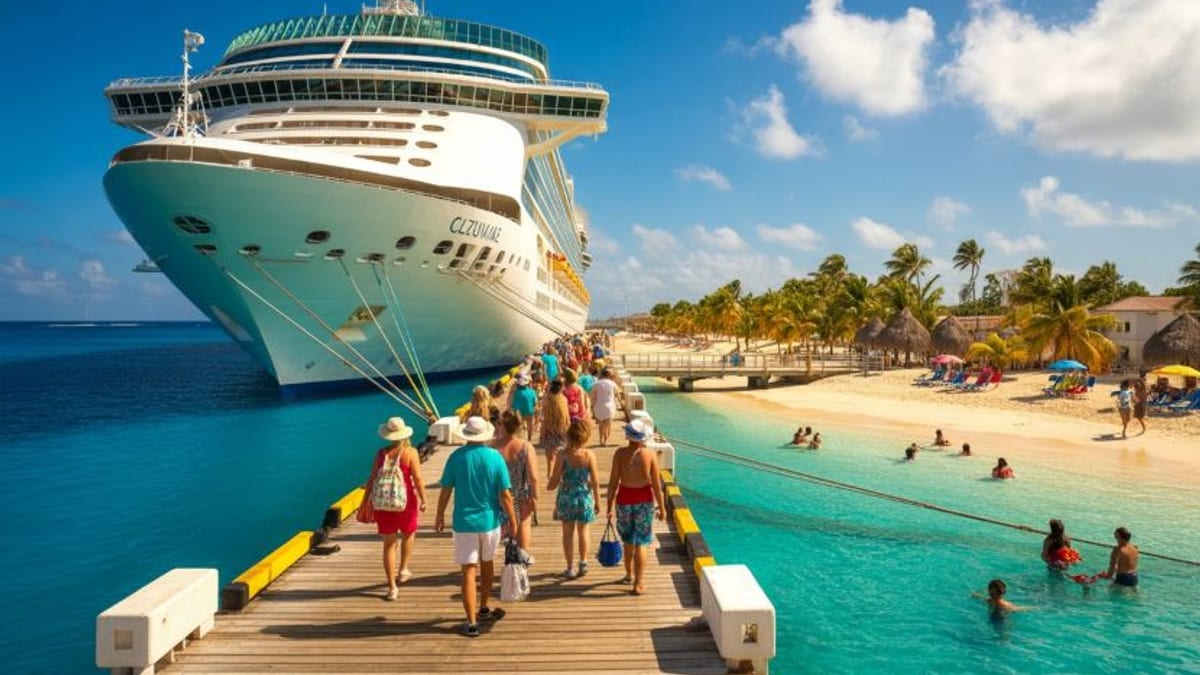
Bahamas Remains Level 2, but With Sharper Safety Language
The Bahamas continues to be rated at Level 2, or “exercise increased caution,” in the latest United States travel advisory, but recent updates and public discussion have sharpened the focus on specific risks in and around key cruise ports. Publicly available information highlights that most serious crime is concentrated on New Providence, where Nassau is located, and on Grand Bahama, where Freeport is the main hub. The advisory notes a high homicide rate linked largely to retaliatory gang violence, domestic disputes and interpersonal conflicts, with occasional spillover into areas frequented by visitors.
Coverage by major outlets in early 2024 drew attention to a spike in murders in Nassau and to a security alert from the United States Embassy that referenced more than a dozen killings in the first weeks of that year. While reports indicate that tourists are not usually the direct targets, the same notices stress that robberies, armed break-ins and opportunistic crime can and do occur near tourist zones.
Government travel pages for several cruise source markets, including the United States, United Kingdom and Australia, now frame the risk as “asymmetric.” They emphasize that most visitors experience trouble free trips, yet crime patterns can change quickly by neighborhood and time of day, especially away from supervised tourist enclaves, established resorts and the controlled environments of cruise line private islands.
Crime Hot Spots Near Major Cruise Ports
The latest guidance for visitors calls out several specific areas in and around Nassau and Freeport where vigilance is particularly important. The Over the Hill district, south of Shirley Street in Nassau, is repeatedly identified as a zone with entrenched gang activity and a high rate of violent incidents. Travelers are advised to avoid wandering into residential backstreets near this area, particularly after dark, and to use only registered taxis or vetted transportation.
Advisories also mention crime reported in pockets of Cable Beach, some downtown streets at night, and neighborhoods away from waterfront corridors. While the Prince George Wharf cruise pier itself is heavily policed and monitored, reports note that theft, bag snatching and scams can occur in the streets immediately beyond the port gates if visitors appear distracted or display valuables.
In Freeport, the focus is similar: the port and main commercial zones are generally busier and more secure during ship days, but isolated stretches and poorly lit areas can present higher risks. Several foreign ministries suggest that cruise passengers consider organized excursions or reputable tour operators if they wish to explore beyond the main tourism strips, rather than walking long distances on their own.
Water Sports, Jet Skis and Independent Excursions Under Scrutiny
Beyond land based crime, water based activities have emerged as a particular concern in the most recent safety messaging. The United States travel advisory and additional security alerts referenced by travel forums urge travelers to be cautious when renting jet skis or other personal watercraft in Nassau and other ports. Publicly available advisories describe incidents of sexual assault and harassment linked to unregulated operators, as well as injuries resulting from poorly maintained equipment and risky behavior in crowded near shore waters.
Travel guidance from multiple governments advises visitors to book water sports and excursions through cruise lines or reputable, licensed providers, and to avoid informal beach vendors who may not carry insurance or meet safety standards. Passengers are also encouraged to check whether life jackets are provided, verify that operators adhere to local rules, and decline services if equipment appears unsafe or staff seem impaired.
Broader guidance for cruise travelers in the Caribbean warns that weather, currents and boat traffic can change quickly near busy harbors, and that medical facilities may be limited outside major islands or resort clinics. In practice, this means that an incident during a seemingly routine jet ski ride or snorkeling trip can quickly become serious, particularly if emergency response is delayed or communication with ship personnel is poor.
Onshore Conduct and Recent Passenger Incidents
Recent high profile cases involving cruise guests in Nassau have also drawn attention to behavioral expectations and local law enforcement practices. Regional media and travel community reports have described incidents in which United States passengers were arrested after confrontations with police in the capital, leading to significant fines and, in some cases, jail time before release. These cases have been widely discussed among cruisers as a reminder that visitors are subject to Bahamian law the moment they step off the ship.
Government advisories underline that what might be treated as a minor offense in a visitor’s home country, such as public disorder, resisting arrest or possession of certain items, can carry heavier penalties in the Bahamas. Passengers are encouraged to remain calm in any dispute, comply with instructions from uniformed personnel and resolve complaints afterward through official channels or with the assistance of their cruise line rather than engaging in on the spot confrontations.
Travel insurers and consular information pages also stress that those detained abroad may face lengthy legal processes, and that consular assistance does not override local courts. For cruise travelers with only a few hours in port, even a brief detention can mean missed departures, additional accommodation costs and complicated onward travel, alongside longer term legal consequences at home.
Practical Steps for Cruise Passengers Calling in the Bahamas
For the millions of cruise passengers who visit Bahamian ports each year, current advisories translate into a series of practical steps rather than a blanket warning to stay on board. Official guidance recommends that travelers research port neighborhoods in advance, stay within well trafficked areas, avoid displaying expensive jewelry or electronics and refrain from carrying large amounts of cash. Using ship sponsored tours or well reviewed independent operators can reduce uncertainty about transportation and activity safety.
Passengers are encouraged to travel in groups when going ashore, particularly in the evening, and to let someone on board know their plans. Many foreign ministries also suggest keeping copies of travel documents in a safe place on the ship, carrying only the identification needed in port, and saving local emergency numbers before disembarking.
For those stopping at private islands owned or leased by cruise companies, the risk profile may differ from that of downtown Nassau or Freeport, but common sense still applies. Staying alert around pools and beaches, supervising children closely and following crew and staff instructions can help prevent accidents. By aligning shore plans with the latest advisories, cruise passengers can better balance the appeal of Bahamian beaches, markets and nightlife with a clear-eyed understanding of the evolving security picture.