


More news on this day
Israel’s National Security Council has intensified its travel warnings for Egypt, including the Sinai Peninsula, and several neighboring countries, urging Israelis to avoid non-essential trips amid what officials describe in public advisories as a heightened risk of terrorism and hostile activity targeting its citizens abroad.
Get the latest news straight to your inbox!
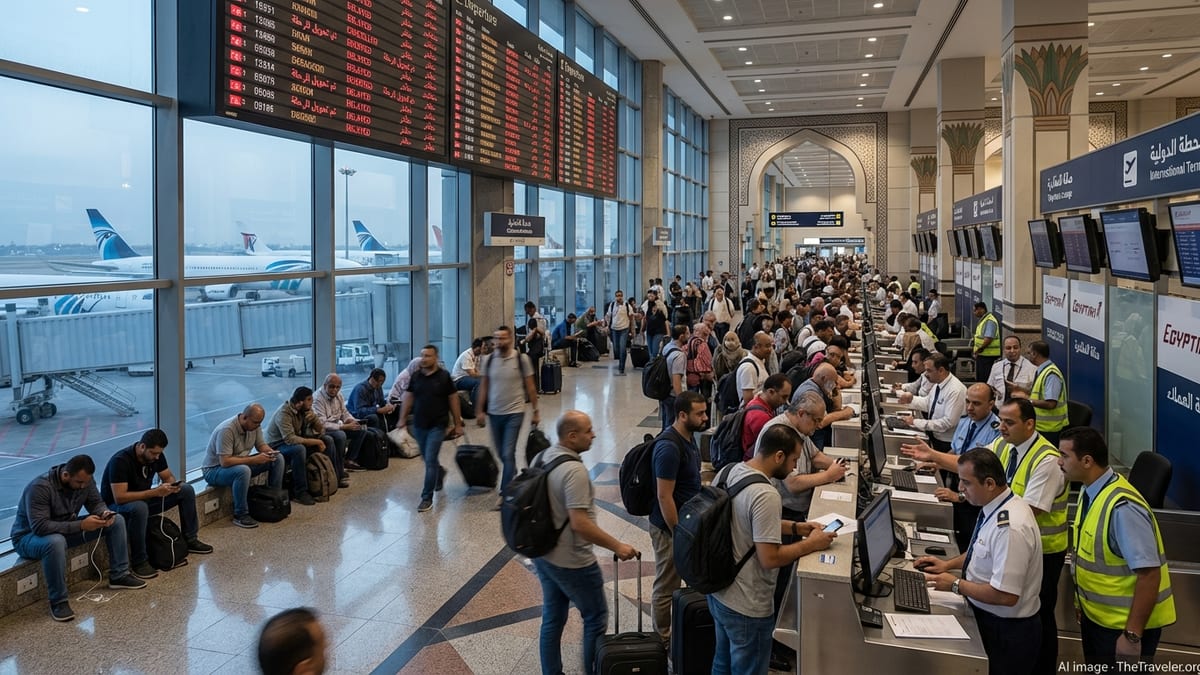
Highest Threat Level Applied to Egypt and Sinai
According to recent advisories summarized in Israeli and international media, the National Security Council (NSC) now classifies Egypt, including the Sinai Peninsula, under its most severe Level 4 warning category. This tier is reserved for destinations where travel is strongly discouraged due to a concrete and ongoing security threat, and where Israelis already present are advised to consider leaving as soon as practical.
Reports in outlets such as the Times of Israel and JNS indicate that Egypt joins Jordan, Qatar and Somaliland in the small group of countries currently assessed at Level 4. The Sinai Peninsula, a long-standing concern because of sporadic militant activity and past attacks near tourist routes and checkpoints, is treated in NSC communications as a particular focus of risk.
The Israeli advisory framework distinguishes between routine caution and explicit calls to avoid travel altogether. The latest notices, issued in the lead-up to the Jewish holiday season and around the anniversary of the October 7 attacks, frame Egypt and Sinai as destinations that should be “strictly avoided” for leisure travel, even as regular cross-border traffic and tourism from other nationalities continue.
While the Israeli stance does not change Egypt’s entry rules for foreign visitors, it significantly alters the risk calculus for Israeli passport holders and for tour operators that cater to Israeli groups heading to popular Red Sea resorts such as Taba, Nuweiba, Dahab and Sharm el Sheikh.
Regional Security Context Behind the Escalation
The sharpened travel warnings are being issued against a backdrop of persistent regional volatility involving Israel, Iran and multiple non-state armed groups. Publicly available NSC assessments, reflected in domestic news coverage, link the elevated alerts to concerns about potential attempts to target Israelis and Jewish sites abroad in retaliation for ongoing military operations and covert clashes.
In recent advisories ahead of the High Holidays, the NSC highlighted a “heightened” threat environment not only in direct conflict zones such as Lebanon, Syria, Iraq and Yemen, but also in countries that are geographically or politically adjacent. Egypt’s long land border with Israel and Gaza, as well as its shared frontier with Sudan and Libya, places it within several overlapping security theaters that Israeli risk analysts monitor closely.
Egypt, for its part, has waged a lengthy campaign against insurgent groups in North Sinai, deploying significant military forces and restricting access to certain areas. International travel advisories from governments including the United States and Australia separately caution their own citizens about travel to northern and central Sinai, citing terrorism and military operations, although they do not apply the same blanket warning to the rest of Egypt as Israel does for its nationals.
For travelers, this means that the Israeli warning reflects not only conditions on the ground inside Egypt, but also Israel’s assessment of how its citizens might be perceived or targeted in the wider confrontation shaping regional politics since late 2023.
Practical Impact on Israelis Traveling Through Egypt
In practical terms, the Level 4 designation affects both destination travel and the growing use of Egypt as an alternative transit route for Israelis. In previous phases of the conflict, when flights at Ben Gurion Airport were restricted or temporarily halted, thousands of Israelis used overland crossings into Egypt and Jordan to connect with flights from Sharm el Sheikh, Cairo or Amman.
Recent NSC messages highlighted in Israeli media discourage relying on this workaround. Travelers have been urged to avoid planning returns via Sinai or Jordan where other options exist, with public guidance emphasizing the risk of congestion at border crossings, difficulties in providing consular support in remote areas, and the possibility of rapidly changing security conditions.
Despite the warning, cross-border tourism has not ceased entirely. Egyptian Red Sea resorts remain relatively popular with non-Israeli visitors, and some independent Israeli travelers continue to enter Sinai, as reflected in anecdotes and discussions on travel forums. However, the official Israeli line is that such trips are undertaken contrary to current security guidance, and many Israeli-organized group tours to Sinai have been suspended or rerouted since the advisory was raised.
Travel insurance policies may also be affected. Some insurers reference home-country foreign ministry advisories when defining coverage exclusions for war, terrorism or travel to high-risk regions. Israelis considering itineraries that include Egypt, particularly land crossings into Sinai, are being encouraged by travel industry commentaries to verify in advance how a Level 4 Israeli warning could influence claims if an incident occurs.
What the Warning Means for Other International Travelers
For non-Israeli travelers, the NSC decision functions as an additional data point rather than a binding instruction. International visitors remain subject to their own government advisories, which, at the time of writing, often differentiate between mainland Egypt and higher-risk zones in northern Sinai, the Western Desert and border regions.
The United States currently lists Egypt at “Level 2: Exercise increased caution,” with a more severe “Do not travel” designation applied specifically to northern and middle Sinai and certain western border areas due to terrorism and military activity. Other Western governments have issued similar, though not identical, guidance, generally advising heightened awareness but stopping short of recommending that tourists avoid the entire country.
Many popular Egyptian tourist centers, including Cairo, Luxor, Aswan, Hurghada and much of the Red Sea Riviera, continue to host package tours and independent travelers from Europe, Asia and the Americas. Tour operators serving these markets often coordinate closely with local authorities, adjust itineraries away from sensitive zones and maintain contingency plans for route changes or temporary closures.
Travelers who are not Israeli citizens but plan to link itineraries between Israel and Egypt, for example by combining Jerusalem with Sinai beach resorts, may still feel the effects of the new warning indirectly. Increased scrutiny at land borders, tighter controls on organized bus transfers and occasional disruptions linked to regional escalations can all affect timing, comfort and perceived safety along these routes.
Advice for Planning Trips Amid Heightened Alerts
Given the shifting advisory landscape, trip planners are being urged by travel industry analysts and consular notices to monitor several independent sources before committing to travel in the region. These typically include their own foreign ministry alerts, airline operational updates, and airport or border authority announcements that may not always align in timing or severity.
For travelers whose home governments do not prohibit visits to Egypt, specialist tour companies recommend focusing itineraries on areas with stable security records and established visitor infrastructure, and leaving extra flexibility for last-minute changes. In practice, this can mean prioritizing flights in and out of Cairo or Hurghada instead of overland crossings through Sinai, and selecting accommodations and transport providers with clear safety protocols.
Those considering combined trips involving Israel, Egypt, Jordan or Gulf states are also advised to pay close attention to visa rules, border opening hours and any temporary restrictions on dual nationals or travelers with recent entry stamps from neighboring countries. While the Israeli NSC warning does not directly bind other states, it can coincide with increased local sensitivity and additional questioning for travelers who appear to be connecting between multiple hotspots.
With the anniversary of the October 7 attacks and major religious holidays regarded in many advisories as periods of elevated risk, international visitors are encouraged to revisit official updates shortly before departure. The situation across the Eastern Mediterranean has remained fluid through 2026, and while most trips to major Egyptian tourist hubs continue without incident, planning now requires more attention to security advisories than in previous years.