


More news on this day
Dead fish have been reported in the Emory River in Morgan County, Tennessee, only weeks after a freight train carrying ethanol derailed near Lancing, drawing renewed attention to the environmental fallout of the June 11 incident and to ongoing questions about water quality and river safety in the region.
Get the latest news straight to your inbox!
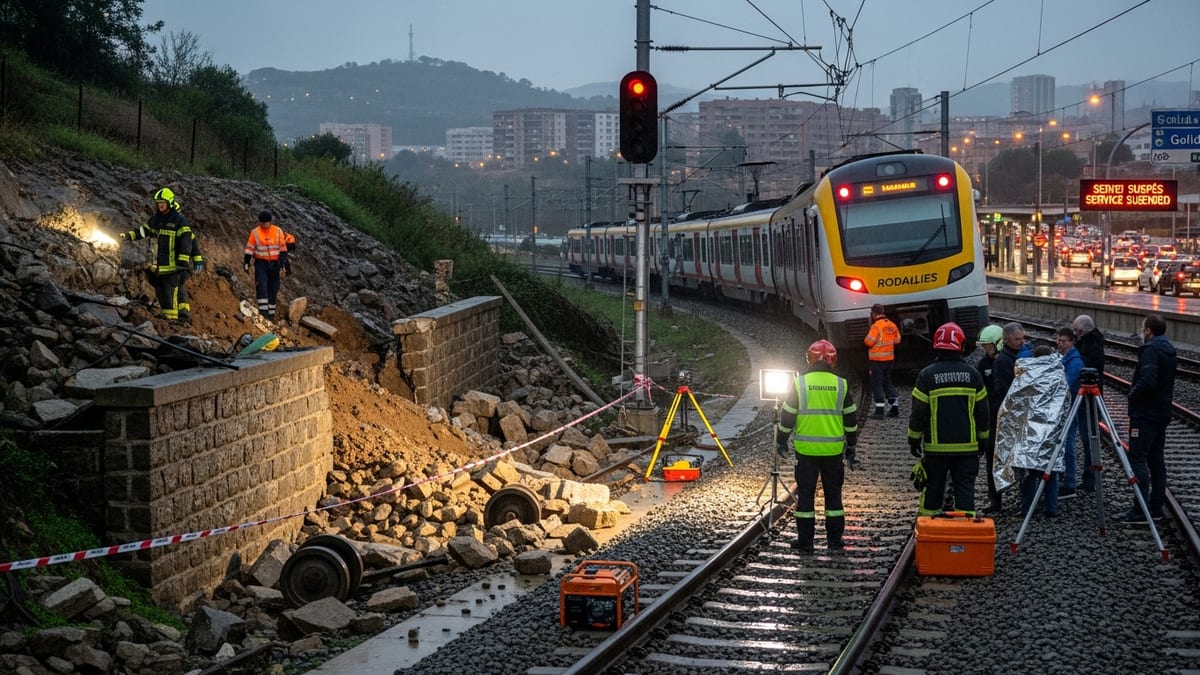
New Concerns Emerge Along Emory River
Local emergency management updates and regional broadcast coverage indicate that fish have recently been found dead in a stretch of the Emory River downstream from the June 11 derailment site. The development follows earlier assurances that air monitoring and initial containment around the wrecked railcars had reduced immediate risks to nearby communities.
The Morgan County Emergency Management Agency has acknowledged the fish deaths and is coordinating with state partners for additional sampling and observation along the affected reach of the river, according to publicly available information. The number of dead fish has not been publicly quantified, but visual evidence described in regional reports points to a localized kill rather than a systemwide die-off.
The appearance of dead fish several weeks after the derailment is prompting fresh scrutiny of how spilled ethanol and related response measures may be interacting with river conditions. While ethanol itself breaks down relatively quickly in water, its degradation can reduce dissolved oxygen levels, which in turn may stress or kill aquatic life when concentrations drop too low.
Regional news coverage notes that some residents and river users are now seeking clearer guidance on whether it is advisable to recreate, fish, or draw water near the affected section of the Emory, even as broader evacuation orders and road closures linked to the derailment have already been lifted.
Background on the Morgan County Train Derailment
According to published coverage, the June 11 derailment involved a Norfolk Southern freight train near the Lancing community in Morgan County. Several railcars carrying ethanol left the tracks close to the Emory River, spilling product and triggering an emergency response that included temporary evacuations in the surrounding area.
Reports indicate that state emergency management officials, environmental regulators, and federal rail investigators were dispatched to the scene in the immediate aftermath. Air monitoring devices and containment booms were deployed as responders assessed fire risk, vapors, and the potential for product migration into nearby waterways.
By late on the first day, local coverage shows that evacuation orders were lifted, with public updates suggesting that short term airborne hazards had diminished. Even so, follow up investigations into the derailment’s causes and potential environmental impacts were described as ongoing, including the role of track conditions, train speed, and tank car performance.
The Emory River corridor, which connects to the larger Tennessee River system, is widely used for fishing, paddling, and other recreation. The proximity of the derailment to this waterway has therefore remained a key focus of community interest as monitoring continues.
Possible Links Between Ethanol Spills and Fish Kills
Environmental agencies and scientific literature describe ethanol as a rapidly biodegradable substance that can nonetheless disrupt river ecosystems when released in large quantities. As microbes break down ethanol in water, they consume oxygen, sometimes creating low oxygen, or hypoxic, conditions that can be lethal to fish and invertebrates.
In similar rail incidents elsewhere in the United States, public reports have documented localized fish kills and stressed aquatic life in streams and rivers receiving ethanol spills. Those assessments often attribute the damage less to the direct toxicity of ethanol and more to the secondary effects on dissolved oxygen, especially in warm, slow moving sections of rivers where natural re aeration is limited.
In Morgan County, publicly available information has not yet established a definitive cause for the dead fish observed in the Emory River. Investigators typically evaluate several factors, including recent weather, water temperature, background pollution levels, and any concurrent discharges from industrial, municipal, or agricultural sources, before drawing firm conclusions.
Published coverage indicates that additional water sampling and biological surveys are expected to inform whether the recent fish deaths can be traced primarily to the June 11 derailment, to subsequent cleanup activities, or to unrelated environmental stressors that happened to coincide in time with the rail incident.
Monitoring, Recreation, and Traveler Considerations
The Emory River is part of a broader network of scenic waterways in East Tennessee that attract paddlers, anglers, and campers. Nearby areas, including reaches connected to the Obed Wild and Scenic River system, are frequently promoted for rock climbing, hiking, and whitewater sports, making any disruption of river conditions a matter of interest beyond the immediate community.
Following the derailment, public notices referenced in local news advised people to avoid entering certain river sections near the incident while early response operations were underway. Current guidance on recreation and fishing is evolving as more data become available, and prospective visitors are encouraged by travel and outdoor advisories to consult recent public updates from emergency management and land management agencies before planning water based activities.
For travelers, the recent reports of dead fish serve as a reminder that river conditions can change quickly in the wake of industrial accidents. Even where broader tourism infrastructure remains open, targeted restrictions on swimming, paddling, or fishing may be in effect for specific segments of a watershed while environmental assessments continue.
Beyond immediate health and safety questions, the episode also affects the visitor experience, as some paddlers and anglers may opt to shift itineraries toward unaffected tributaries or nearby mountain destinations until confidence in water quality and ecosystem recovery improves.
Broader Context of Rail Incidents and River Ecosystems
The Morgan County derailment and subsequent fish deaths reported on the Emory River fit into a wider national pattern in which freight rail incidents intersect with sensitive waterways. Public databases and previous high profile derailments show that spills of fuels, chemicals, or other commodities can have lingering effects on streams and rivers, even when emergency responders succeed in preventing large scale fires or explosions.
In recent years, widely reported incidents in other states have highlighted how fish kills, contaminated sediments, and community concern over drinking water can persist long after trains are cleared and tracks are repaired. These cases have fueled calls for tighter rail safety standards, more robust tank car designs, and improved routing decisions when hazardous materials move near rivers and drinking water sources.
Travel observers note that as rail corridors often parallel scenic rivers and pass through outdoor recreation hubs, disruptions from derailments can extend beyond environmental impacts to affect tourism based economies. Trail closures, access restrictions, and negative perceptions of water quality can temporarily dampen visitation to river towns and park gateways.
In Morgan County, the appearance of dead fish along the Emory River now forms part of that broader conversation, as residents, visitors, and regulators watch to see how the river responds and what additional safeguards, if any, may emerge from the ongoing investigation into the June 11 derailment.