


More news on this day
A lethal hantavirus outbreak aboard the Dutch-flagged expedition cruise ship MV Hondius has left the vessel in a tense limbo between Cape Verde and Spain’s Canary Islands, as at least three deaths, multiple evacuations and the illness of the ship’s doctor intensify scrutiny of how global health and tourism systems respond when serious disease strikes at sea.
Get the latest news straight to your inbox!
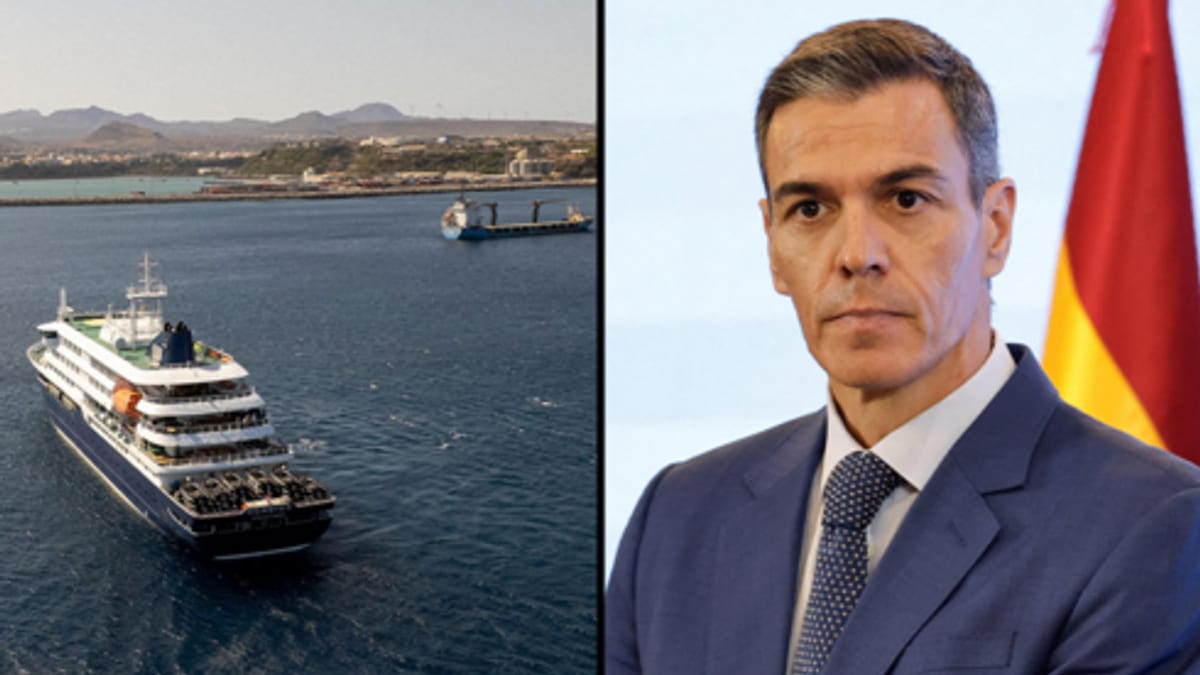
Ship Left Circling After Canary Islands Pushback
The MV Hondius, a polar-rated expedition vessel sailing under the Dutch flag, has become the focus of an escalating public health crisis after a cluster of hantavirus infections was linked to its current South Atlantic voyage. Publicly available information indicates the ship departed Ushuaia, Argentina, in early April on a weeks-long itinerary through remote islands before turning north toward Africa and Europe.
After several passengers fell gravely ill and three deaths were reported, the ship anchored off Cape Verde while international health agencies and governments weighed options. Reports indicate that Spanish authorities in Madrid agreed in principle to receive the vessel in the Canary Islands, but regional leaders in the archipelago initially resisted, citing limited information about the scope of the outbreak and concerns among residents who still associate cruise-borne infection with the early phase of the COVID-19 pandemic.
Coverage from European and international outlets shows a tug-of-war emerging between Spain’s central government, which signaled readiness to coordinate a controlled disembarkation, and Canary Islands officials, who argued they could not safely host the ship without more detailed assurances about case numbers, transmission risks and medical capacity. That political friction left the Hondius effectively stranded for days as it maneuvered between Cape Verde and the Canaries, with more than 140 passengers and crew waiting for a clear plan.
Updated reports on May 10 indicate that the vessel has now arrived off Tenerife, where staggered disembarkation and transfers to medical facilities and onward flights are expected, under stepped-up infection-control measures. The shift suggests that negotiation between Madrid, regional authorities and international health bodies has produced at least a provisional compromise.
Escalating Case Count and Fatalities Onboard
According to timelines compiled by health agencies and multiple news organizations, the outbreak appears to have begun in early April, when a Dutch passenger developed fever and gastrointestinal symptoms before dying on board on April 11. At that time, the cause of illness was not yet confirmed, and the ship continued along its planned route while the body remained on board until it could be removed during a subsequent port call.
In the following weeks, additional passengers developed severe respiratory symptoms. At least two more deaths linked to the voyage have since been reported, including a German passenger who died after falling ill later in April. Several others who left the ship during scheduled stops, including in South Africa and Europe, were later confirmed to have hantavirus infection, prompting contact tracing across multiple countries.
By early May, public health summaries referenced at least eight confirmed or strongly suspected cases connected to the cruise, with several patients requiring intensive care in hospitals on land. The evolving tally spans passengers and crew, underscoring how quickly a localized cluster in a confined environment can generate ripple effects across international borders once travelers disembark.
Hantavirus, particularly the Andes virus strain cited in technical briefings on the incident, can cause severe respiratory disease with a significant fatality rate. While primary infection typically occurs through contact with excreta from infected rodents, rare person-to-person transmission has been documented in South America. The possibility that this may have occurred aboard the Hondius has added urgency to containment efforts and heightened public concern.
Ship Doctor Falls Ill as Onboard Capacity Stretched
One of the most alarming developments for those still at sea has been the illness of the ship’s own doctor. World Health Organization situation updates and subsequent media coverage describe the doctor developing fever, muscle pain and respiratory symptoms around the end of April, after treating several of the earliest suspected hantavirus cases.
As the doctor’s condition worsened, the Hondius had to rely increasingly on remote guidance from shore-based specialists and assistance from volunteer medical professionals among the passengers. Reports from passengers and health officials indicate that the ship’s medical facilities, designed for routine expedition cruising rather than managing multiple critical respiratory patients, were quickly pushed to their limits.
By May 6, three individuals, including the ship’s doctor and at least one British national, had been medically evacuated by air for treatment in Europe. Those evacuations, carried out under high-level infection-control precautions, reduced immediate pressure on the onboard team but also highlighted how vulnerable cruise operations can be when a key medical staff member is sidelined during a fast-moving outbreak.
The sidelining of the doctor has raised broader questions about staffing and equipment levels on smaller expedition vessels that operate far from advanced shore-based hospitals. Analysts and commentators are beginning to ask whether voyage planning for remote itineraries should require more robust medical contingencies when emerging infectious diseases are involved.
Canary Islands Tensions Reflect Pandemic-Era Fears
The dispute over where and how to receive the Hondius has revived memories in Spain of earlier maritime health emergencies, when large cruise ships carrying COVID-19 cases struggled to find ports willing to accept them. Coverage from Spanish and international media describes residents of the Canary Islands expressing anxiety about a new infectious threat arriving by sea, even as tourism remains a cornerstone of the local economy.
Regional officials initially pointed to what they described as insufficient data about the outbreak and questioned whether local hospitals and public health infrastructure could safely manage a new, unfamiliar pathogen in addition to existing pressures. The islands already host steady flows of tourists and migrants transiting Atlantic routes, and the idea of importing a lethal rodent-borne virus, possibly capable of limited human-to-human spread, touched a political nerve.
Statements from national-level health leaders and the World Health Organization, however, emphasized that the outbreak could be managed through isolation of confirmed cases, monitoring of exposed individuals and careful handling of disembarkation and onward travel. Publicly available information indicates that these assurances, along with support from European partners, helped persuade Spanish authorities to proceed with a controlled reception of the ship.
The episode illustrates how pandemic-era caution continues to shape local discussions about maritime arrivals, particularly when scientific understanding of a pathogen’s behavior in new settings is still evolving. It also highlights the challenge of balancing public health precautions with humanitarian obligations to passengers and crew who have limited options while confined at sea.
Implications for Cruise Travel and Health Protocols
The Hondius outbreak is prompting renewed scrutiny of health protocols on cruise ships, especially those operating long, remote itineraries where rapid evacuation may not be possible. Industry-focused outlets note that the voyage was marketed as an exclusive expedition through rarely visited islands, with passengers paying high fares for access to remote environments and abundant wildlife.
Investigations so far point to a likely exposure event during a land excursion, possibly involving contact with rodent-contaminated settings during birdwatching or hiking activities. Once aboard the ship, the virus appears to have spread across a small group, with subsequent cases emerging among both passengers and crew in the weeks that followed. The pattern is likely to inform future guidance on how cruise operators assess wildlife and rodent risks during shore excursions.
Health experts cited in published coverage suggest that operators may face pressure to improve onboard diagnostics, strengthen surveillance for unusual clusters of respiratory illness and formalize agreements with regional health systems for emergency evacuation and quarantine support. Regulators and insurers are also expected to examine whether existing rules adequately reflect the realities of emerging zoonotic diseases in a hyper-connected travel market.
For travelers, the incident serves as a reminder that even highly curated expedition experiences can carry unpredictable health risks. As the Hondius passengers finally begin to disembark in the Canary Islands under close monitoring, the outcome of this voyage is likely to shape how cruise lines, destination authorities and international health agencies coordinate when serious infection appears on the open ocean.