


More news on this day
Passengers using London Gatwick Airport on Monday, June 15 are encountering a patchwork of delays and cancellations, as airlines adjust schedules across a busy early-summer timetable and manage knock-on disruption on short-haul and leisure routes.
Get the latest news straight to your inbox!
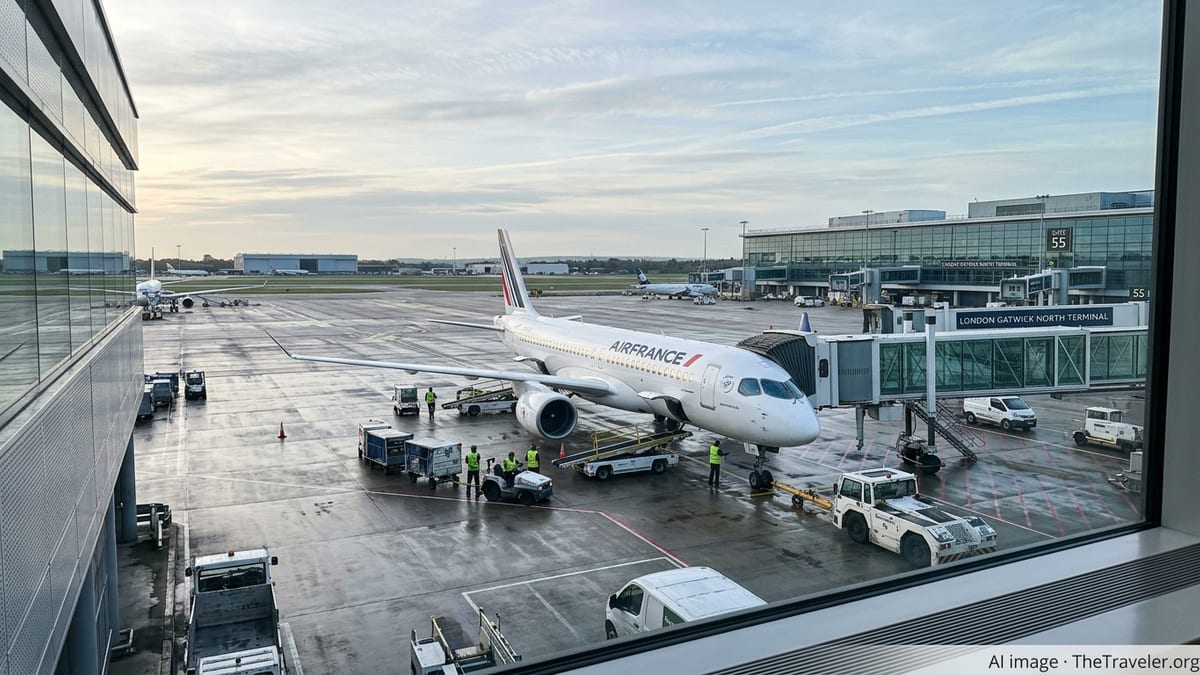
Morning departures hit by scattered disruption
Publicly available departure boards for London Gatwick on Monday, June 15 show a run of delayed early morning services, particularly on popular European city and holiday routes. Short postponements of 20 to 45 minutes are widespread across several airlines, alongside a smaller number of flights marked as cancelled.
The pattern is most visible among departures to Mediterranean destinations and key hub airports, where tight aircraft rotations leave little margin when aircraft or crew arrive late from previous sectors. Industry data and previous monthly performance reports for Gatwick indicate that the first waves of the day tend to set the tone for punctuality, with any early disruption often echoing through later rotations.
Today’s boards suggest that, while the majority of flights are still operating, the first outbound wave has not run entirely to schedule. Delays appear uneven rather than system-wide, suggesting operational challenges on specific routes or carriers rather than a single overarching airport closure or air-traffic stoppage.
For passengers, this has translated into longer waiting times at departure gates and a need to monitor airline apps and terminal screens closely for updated boarding and departure times.
Arrivals show knock-on delays and select cancellations
Arrivals into Gatwick on June 15 are showing a similar picture of modest but noticeable disruption. Several inbound flights from European and domestic points are running behind schedule, often by up to an hour, with a smaller number of services removed from the schedule entirely.
Operational data published by Gatwick in recent months has highlighted that the airport generally maintains a relatively strong on-time performance, but that individual days can still see volatility when aircraft rotations are squeezed or when conditions at other airports cascade into Gatwick’s schedule. Today’s arrival screens reflect that pattern, with pockets of delay rather than a sustained breakdown in operations.
Because many Gatwick flights operate out-and-back patterns using the same aircraft, late-arriving inbound services are likely contributing to corresponding delays on subsequent outbound legs. This dynamic is particularly visible today on shorter European sectors where aircraft are scheduled to complete multiple trips.
For those meeting friends or relatives at Gatwick, the main impact has been revised arrival times and, in some cases, rebooked itineraries where an original flight no longer appears on the schedule.
Weather and network pressures behind schedule strains
There are no indications today of a single, severe local weather event at Gatwick, but broader conditions across the European network and earlier periods of unsettled weather have added pressure to airline timetables. When storms, strong winds or low visibility affect major hubs, aircraft and crew often end up out of position, a situation that can take days to fully resolve.
Recent coverage of UK and European aviation has pointed to a mix of factors behind intermittent disruption, including technical issues on individual aircraft, congested airspace, and staffing constraints in some parts of the network. Gatwick’s own performance reporting notes that disruption can be triggered by incidents far from London, with knock-on effects as airlines juggle aircraft and adjust rotations.
The pattern visible today, with some services on time, others moderately delayed and a minority cancelled, is consistent with this combination of pressures. Rather than a complete operational stoppage, Gatwick is continuing to function, but with less resilience built into schedules when something goes wrong upstream.
Industry observers note that the busy summer schedule, growing demand for leisure travel and tight turnaround times leave airlines exposed when aircraft require unscheduled maintenance or when air traffic restrictions compress available slots at busy times of day.
Impact on passengers and what today’s figures suggest
For travellers passing through Gatwick on June 15, the main consequence of today’s disruption is uncertainty around exact departure and arrival times. While most services are still operating, the risk of missing tight connections, transfers to rail services, or onward coach departures has increased, especially where itineraries were built around minimal buffers.
Reports from previous disruption episodes at Gatwick underline how quickly relatively small timing changes can compound into missed connections and extended waits for alternative flights. With many services today still leaving within an hour of schedule, airlines are generally able to keep passengers moving, but not always at the originally advertised times.
Public information suggests that airlines are focusing on protecting core routes and peak-time services, with some off-peak or less frequent flights more vulnerable to cancellation or consolidation. That approach is typical on days when carriers are managing limited spare aircraft and attempting to restore their rotations to normal.
Today’s mix of delays and cancellations also offers an early-season reminder of the importance of checking real-time status before heading to the airport and allowing extra time for security, boarding and possible gate changes when schedules become compressed.
Outlook for the rest of Monday and passenger advice
With much of the morning disruption already visible on departure and arrival boards, the focus for the rest of Monday, June 15 is on how quickly airlines can recover their rotations. If aircraft can depart close to revised times through the afternoon and evening, schedules are likely to stabilise, limiting the number of additional cancellations.
Gatwick’s historical punctuality data indicates that the airport is generally able to absorb moderate disruption over the course of a day, provided there are no new weather or technical shocks. However, late-night services can remain vulnerable if delays accumulate, particularly where aircraft are due to position for early departures the following morning.
Passengers booked to travel later today are being encouraged, through airline communication channels and public travel updates, to monitor their flight status closely and to consider adjusting plans if a connection relies on very tight transfer times. Travel insurance policies and passenger rights regulations may offer some recourse where long delays or cancellations occur, depending on the circumstances and the operating carrier.
For now, London Gatwick remains busy and operational on June 15, but with a level of schedule disruption that is being felt across check-in halls, gate areas and arrival concourses as airlines work to keep passengers moving.