


More news on this day
Travelers at Boston Logan International Airport faced a difficult start to the week as a wave of operational disruptions led to 95 delayed departures and at least seven cancellations on Monday, affecting flights operated by JetBlue, Southwest, American and other major carriers across the United States and to international destinations including France, Spain and Italy.
Get the latest news straight to your inbox!
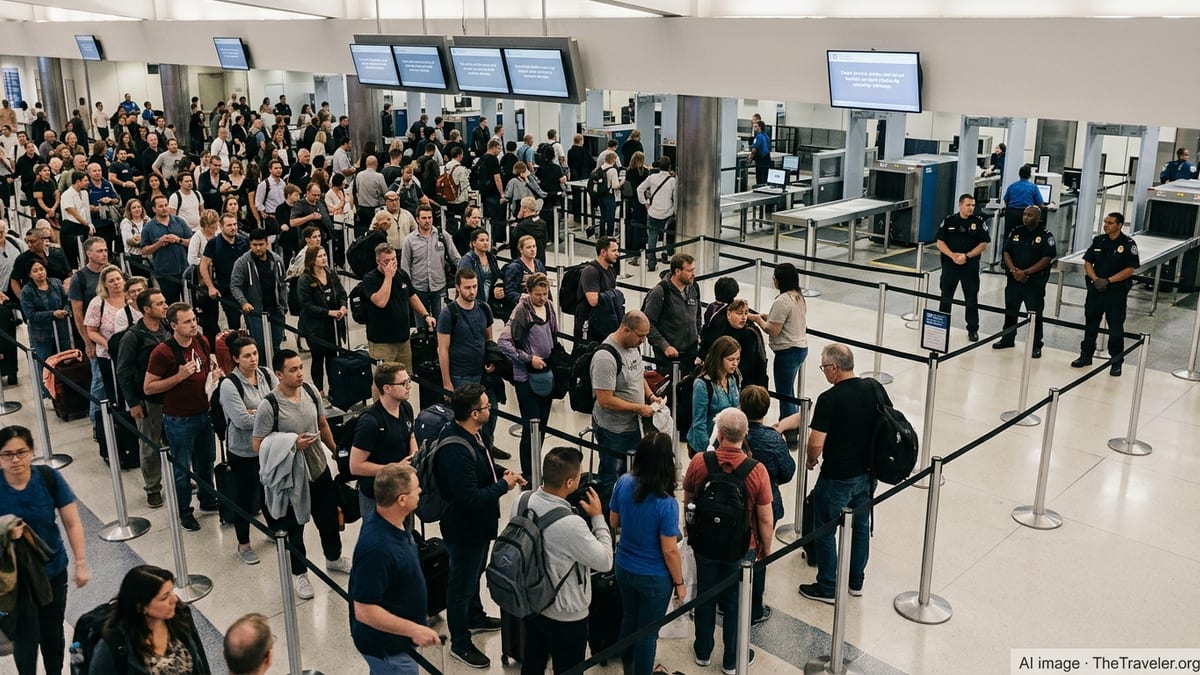
Broad Operational Disruptions At A Major New England Hub
Publicly available tracking data for Monday showed a spate of delays building through the morning peak at Boston Logan, with late departures rippling across multiple terminals. The disruption hit a mix of domestic and transatlantic routes, underscoring the vulnerability of one of New England’s busiest travel hubs during the early summer travel surge.
JetBlue, one of Logan’s largest operators, appeared particularly exposed as delays stacked up on key trunk routes to Florida, the West Coast and the Caribbean. Southwest and American Airlines also showed a rising number of late departures, complicating connections for passengers heading to and from cities throughout the Midwest, the Southeast and the West.
By early afternoon, delay tallies had climbed to 95 affected flights, with at least seven services cancelled outright. While the majority of passengers were ultimately rebooked onto later departures, the pattern of disruption contributed to crowded gate areas, longer lines at customer service desks and congestion in security and check in zones.
The timing of the operational issues, hitting at the height of the morning outbound rush and extending into midday, meant that even relatively short delays quickly cascaded into missed connections, overnight rebookings and changed itineraries for travelers across the network.
JetBlue, Southwest And American Routes Hit Across The US
Logan based travelers on domestic routes saw some of the most immediate effects. Flights to Florida, including services toward Fort Lauderdale and Southwest Florida, recorded hold ups that squeezed already tight turnaround windows at destination airports. Westbound departures toward Los Angeles and other major hubs also experienced schedule pressure, compressing connection times for onward flights.
Southwest operations from Terminal B were not spared, with late running services on popular business and leisure routes such as Baltimore and other mid Atlantic cities. These delays increased the risk of missed onward flights to the Southeast and central states, especially for passengers traveling on tight same day connections.
American Airlines, which operates an extensive domestic and international network out of Boston, also saw disruptions on high demand routes to major hubs. Slower than planned departures from Logan can quickly affect downstream flights, especially in the congested airspace surrounding the Northeast corridor and large connecting airports in the central United States.
As the day progressed, these scattered schedule changes translated into a broader pattern of network stress. Travelers reported longer waiting times in departure lounges, as aircraft repositioning and crew availability created additional knock on effects for evening schedules.
Long Haul Links To France, Spain And Italy Affected
The day’s disruptions extended beyond domestic services, touching several long haul routes linking Boston to key European gateways. Boston Logan has become an increasingly important transatlantic departure point, serving cities in France, Spain and Italy that feed both leisure travel and business demand.
According to published coverage and live tracking data, delays on some transatlantic services from Boston increased uncertainty for travelers with rail or regional flight connections onward in Europe. Even modest schedule slippage on eastbound departures can translate into missed onward links once passengers arrive in hubs such as Paris, Madrid or Rome.
In some cases, cancellations on feeder flights inside the United States also affected passengers booked on through tickets to Europe, as missed domestic segments made it impossible to reach Logan in time for evening transatlantic departures. This forced some to be rerouted via alternative hubs or rebooked for departures on subsequent days.
The combination of delayed departures and a handful of cancelled flights highlighted how sensitive long haul itineraries are to disruptions at a single point in the network, especially during peak holiday periods when alternative seats may be limited.
Weather, Congestion And Summer Travel Volume Under Scrutiny
While individual delay causes vary from flight to flight, aviation analysts have frequently pointed to a mix of factors that can converge at major airports like Boston Logan, particularly during the busy summer months. High passenger volumes, tight aircraft utilization and constrained airspace along the Eastern Seaboard all increase the likelihood that small schedule issues will spread.
Federal aviation system maps on Monday indicated pockets of congestion in the national airspace, with flow management programs and traffic metering occasionally slowing departures from busy hubs. Even when Boston itself is not the primary focus of traffic management actions, restrictions elsewhere in the network can lead to departure holds and revised pushback times for aircraft on the ground at Logan.
Seasonal weather patterns can exacerbate the problem, as early morning fog, afternoon thunderstorms or reduced visibility conditions lead to slower arrival and departure rates. When combined with full flights and high load factors typical of late June, there is less slack in the system to absorb disruptions without visible impact on travelers.
Industry data for Boston Logan indicates that carriers such as JetBlue, American and Southwest historically account for a significant share of delays by volume at the airport, reflecting both the scale of their operations and their concentration on popular routes that are sensitive to air traffic control constraints and ground congestion.
What Travelers Can Do When Disruptions Mount
For passengers caught up in Monday’s wave of delays and cancellations at Boston Logan, options varied depending on ticket type, routing and carrier policy. Many travelers were able to secure same day rebookings on later flights or alternate routings through other hubs, while others faced overnight stays or extended layovers while waiting for open seats.
Consumer advocates often advise monitoring flight status through both airline alerts and independent tracking tools, particularly for early morning departures following a day of disruption, when aircraft and crews may still be out of position. Keeping contact information updated in airline profiles can help ensure travelers receive timely notifications about schedule changes.
Publicly available guidance from transportation regulators also encourages passengers to review airline specific customer service plans and contract of carriage documents before travel. These materials outline what forms of assistance, such as meal vouchers, hotel accommodations or refunds, may be available in various disruption scenarios.
With the summer peak season still developing, travel analysts suggest that passengers departing from busy hubs like Boston Logan build extra time into itineraries, especially when connecting to long haul flights to Europe or multi segment trips across the United States. Monday’s disruptions demonstrated how a cluster of delays and cancellations at a single airport can quickly reshape travel plans across multiple countries and continents.