


More news on this day
Passengers traveling through Westchester County Airport on Monday, June 15 are encountering mounting disruptions, with at least seven flights delayed and eight canceled across several major domestic routes and airlines.
Get the latest news straight to your inbox!
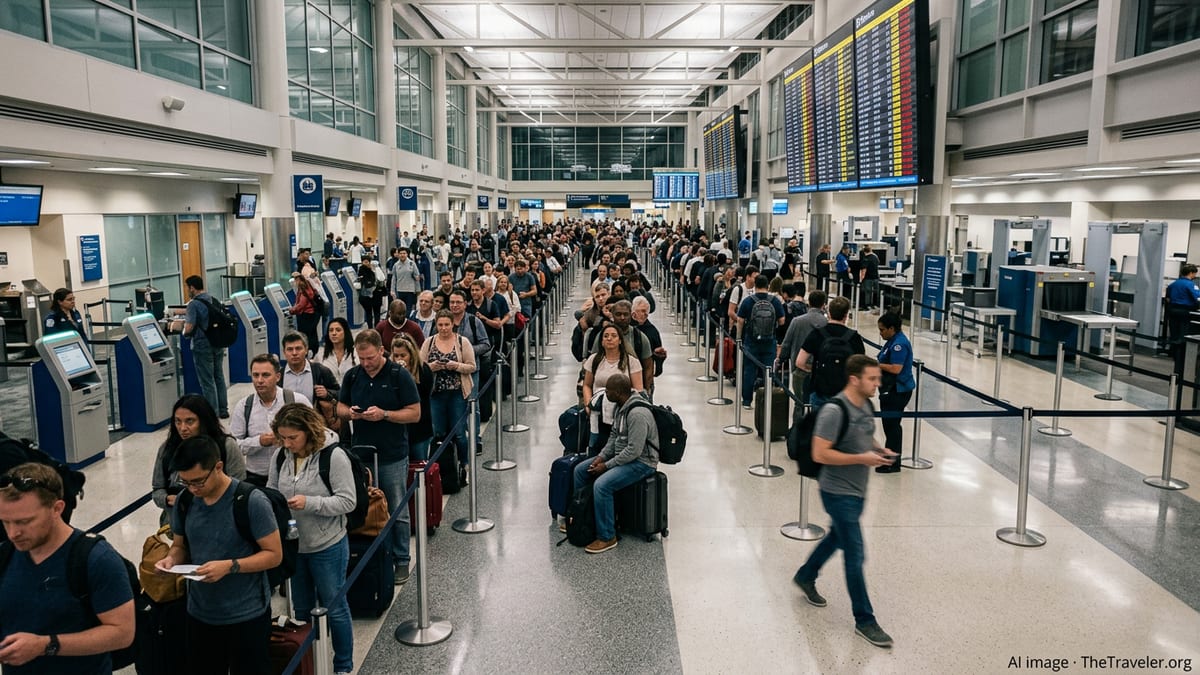
Domestic Routes to Major Hubs Hit by Schedule Turbulence
Publicly available flight-tracking boards for Westchester County Airport show a cluster of delays and cancellations affecting links to key hubs including Atlanta, Charlotte, Chicago, Detroit and Orlando. Services operated by American Airlines, Delta Air Lines, JetBlue and their regional partners feature prominently among the disrupted flights, affecting both outbound departures from White Plains and inbound connections feeding into the New York metro area.
The pattern of disruption is most visible on trunk routes that typically provide onward connections across the United States. Flights between Westchester and major connection points such as Atlanta and Charlotte serve as important links for both business and leisure travelers from the lower Hudson Valley and nearby Connecticut suburbs, meaning a relatively small number of canceled or delayed services can have an outsized impact on passenger itineraries.
On Monday’s schedule, multiple Westchester services to hubs like Atlanta and Orlando show extended departure delays, while a separate set of flights to hubs including Chicago and Detroit appear as canceled, forcing rebookings through larger New York–area airports or on later departures. The irregular operations are prompting missed connections and overnight interruptions for some travelers who rely on Westchester as a more convenient alternative to the region’s larger airports.
Although Westchester County Airport is a relatively small facility compared with New York’s primary hubs, its network is heavily oriented around connecting traffic via partner hubs. As a result, a disruption affecting fewer than two dozen flights can translate into hundreds of travelers needing new routings, hotel stays or last-minute ground transport to reach other airports.
Ripple Effects From Weather and Systemwide Congestion
Industry tracking tools and aviation-focused reports indicate that Monday’s issues at Westchester are unfolding against a wider backdrop of delays and cancellations at major hubs across the country. Severe weather and airspace constraints in the Southeast and along the East Coast are contributing to holding patterns, ground delays and tightened capacity at large connecting airports such as Atlanta and Charlotte.
According to real-time disruption summaries, storms and air traffic management programs at several major hubs are leading to longer-than-usual recovery times for airlines that rely on tight aircraft and crew rotations. When a flight heading into a hub is delayed or diverted, the aircraft scheduled to operate later segments often cannot be turned quickly enough to maintain the published timetable, which can cascade into cancellations on shorter regional routes such as those serving Westchester County Airport.
Publicly available operational statistics and past disruption analyses show that weather remains a leading driver of flight delays and cancellations in the United States, particularly during transitional seasons and periods of convective storm activity. Even when conditions at a smaller airport like Westchester appear calm, traffic there can be heavily affected by constraints at distant hubs where connecting flights originate or terminate.
These systemwide pressures help explain why Westchester’s flights to destinations like Orlando and Atlanta, which depend on network connectivity and hub capacity, have been among those most impacted on Monday. Once surge delays begin at a large hub, regional spokes with fewer daily frequencies are often the first to lose flights as airlines work to preserve core long-haul and high-density operations.
Airlines Serving Westchester Confront Network and Slot Pressures
Westchester County Airport is served primarily by regional operations affiliated with major carriers rather than large mainline jets. American Airlines offers connections from White Plains to hubs such as Charlotte and Chicago, Delta Air Lines links the airport to Atlanta and Detroit through its regional partners, and JetBlue has built a strong presence on leisure-oriented routes including Florida and other sun destinations.
Because many of these flights operate with smaller regional jets and tight turnaround times, they can be especially vulnerable when aircraft or crews are out of position elsewhere in the network. Aviation operations commentary and historical performance data highlight that regional services often experience higher cancellation rates during large disruption events, in part because airlines may prioritize protecting capacity on larger mainline routes and long-haul services.
At Westchester, this dynamic is compounded by the airport’s constrained footprint and tightly managed slot environment, which limits the number of takeoff and landing opportunities available each day. When a flight is canceled due to an inbound aircraft delay or crew timing issue, the airline may not be able to simply push the departure later into the evening, particularly if it would conflict with local operating restrictions or available slot windows.
Recent discussions among travelers and aviation observers have also pointed to evolving carrier strategies at Westchester, including adjustments to Detroit service and possible consolidation around the Atlanta hub for at least one major airline. These network shifts can reduce the redundancy of options available on affected routes, leaving travelers with fewer same-day alternatives when irregular operations occur.
Travelers Scramble to Rebook and Reroute
For passengers traveling on Monday, the mix of seven delayed and eight canceled flights at Westchester has translated into a challenging day of rebooking, rerouting and unexpected itinerary changes. With several domestic spokes impacted, some travelers are turning to larger airports in the region, such as New York LaGuardia, John F. Kennedy International and Newark Liberty International, in search of alternative departures.
Publicly accessible booking tools and airline status pages show that many of the most practical replacement options require at least one additional connection, particularly for those originally booked on nonstop flights to hubs like Orlando or Detroit. Others are opting to shift their trips by a day or more, especially if they are traveling for leisure and have greater flexibility.
Travel forums and consumer guidance published in recent months emphasize several strategies that can help minimize the impact of similar disruption days. These include monitoring flight status closely in the 24 hours before departure, enabling airline app notifications and being prepared with backup routing ideas to or from nearby airports. Travelers on affected carriers may also have the option to adjust their trips without change fees when airlines publish flexible travel policies in response to weather and operational challenges.
For those already at Westchester, ground transportation demand is reportedly elevated as some passengers seek last-minute rides to other area airports or return home to await rebooked flights. Local hotels near the airport and along interstate corridors commonly see increased same-day bookings on days when cancellations cluster in the late afternoon and evening hours.
Guidance for Upcoming Westchester Departures
With Monday’s disruptions underscoring the vulnerability of smaller hub-linked airports to systemwide congestion, travelers scheduled to fly from Westchester County Airport in the coming hours and days are being urged by consumer advocates and travel planners to take a proactive approach. Checking flight status repeatedly, rather than relying on a single early confirmation, can provide critical lead time if an aircraft goes off schedule due to delays at a previous station.
Recent analyses of national disruption events suggest that early-morning departures are often more resilient than afternoon and evening flights, as they are less exposed to compounding delays from earlier legs. Where schedules allow, passengers booking future trips from Westchester may wish to favor the first departures of the day to reduce the risk of misconnecting at major hubs like Atlanta, Charlotte or Chicago.
Travel planning resources also highlight the value of building slightly longer connection times when itineraries involve smaller spoke airports, particularly during storm-prone periods. While longer layovers may be less convenient under normal conditions, they can provide a buffer that turns a minor delay into an inconvenience rather than a missed connection and an overnight stay.
As Monday’s situation demonstrates, even a modest number of delayed and canceled flights at Westchester County Airport can create a ripple effect for travelers throughout the network. Passengers with upcoming trips through the airport may benefit from monitoring weather forecasts at major hubs, keeping flexible routing options in mind and staying alert to any schedule changes as airlines work to reset their operations.