


More news on this day
A powerful early-season winter storm is bearing down on Alaska’s Northern Susitna Valley, with forecasts calling for as much as 15 inches of snow and hazardous driving conditions along key highway corridors through Friday afternoon.
Get the latest news straight to your inbox!
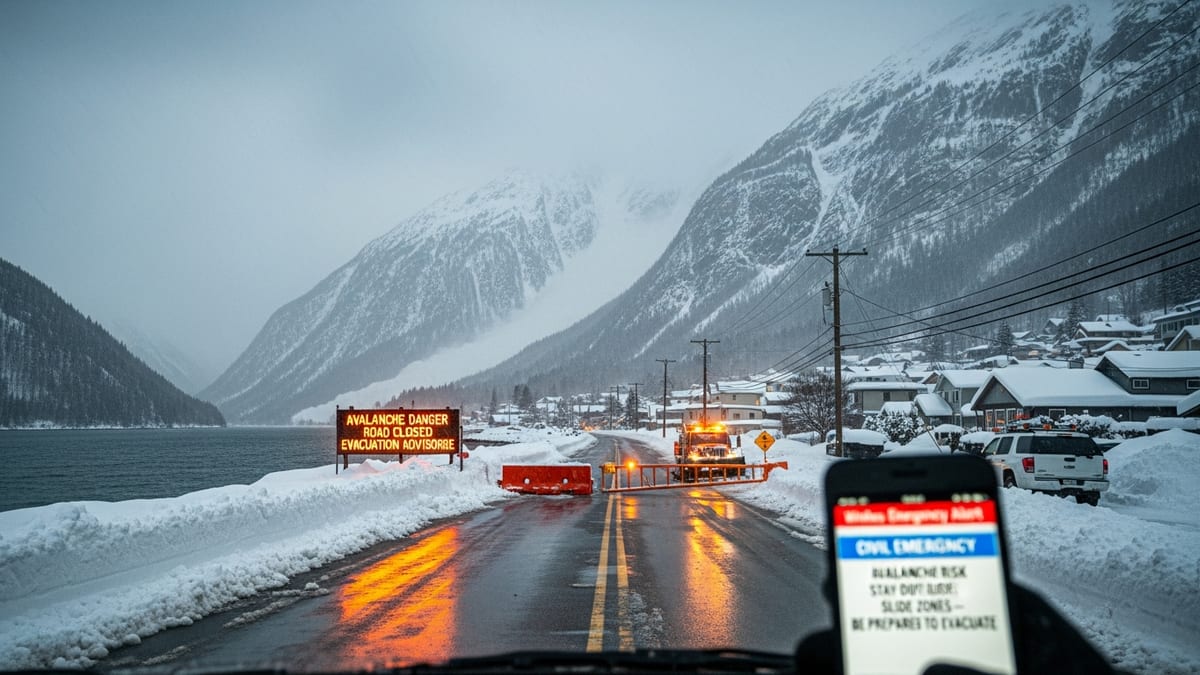
Warning focuses on Northern Susitna Valley and key highway passes
Publicly available alerts from the National Weather Service show a winter storm warning in effect for the Northern Susitna Valley, including the Parks Highway corridor through Broad Pass, Chulitna and the Denali Highway area. The warning, issued from the Anchorage forecast office, is scheduled to remain in place until 2 p.m. Alaska Daylight Time on Friday, October 30.
Forecast guidance indicates total snow accumulations of 7 to 15 inches across the warning area, with the highest amounts expected in higher-elevation terrain and wind-favored stretches of the highway passes. Visibility is projected to fall to a quarter mile or less at times as snow intensity increases, especially overnight into Friday morning when snowfall rates could approach 1 inch per hour.
The warning highlights that travel along the Parks Highway could become very difficult as snow builds quickly on the roadway. Transportation summaries note that, while the highway is expected to remain open, drivers may encounter rapidly changing conditions over relatively short distances, moving from wet pavement to packed snow, drifting snow and patchy ice.
Forecast discussions from the Anchorage office describe the broader system as a warm, wet and windy storm affecting much of Southcentral Alaska, with the Susitna region standing out as one of the main zones for heavy snow rather than rain. As temperatures trend upward later Friday, some lower-elevation sections may see snow mix with or change to rain, creating slushy and potentially rutted surfaces for motorists.
Timeline: heaviest snow from Thursday night into Friday
Weather statements indicate that light snow began in parts of the Northern Susitna Valley ahead of the main front, putting down a few inches before conditions intensified. The heaviest snowfall is expected from late Thursday through Friday morning, a window when many commuters, commercial drivers and long-distance travelers are likely to be on the road.
During the peak of the storm, accumulation rates near 1 inch per hour are possible in the higher passes, according to National Weather Service forecast discussions. In these conditions, plowed stretches can quickly become snow-covered again, and visibility can deteriorate abruptly when wind gusts lift fresh, powdery snow into the air.
By Friday afternoon, forecasts point to a gradual easing of snow intensity from south to north as the system shifts and slightly warmer air moves into parts of Southcentral Alaska. This pattern could bring a transition zone of mixed precipitation or wet snow, particularly at lower elevations along the Parks Highway, while higher terrain remains predominantly snowy.
Even as accumulations taper off, transportation and emergency planning documents for Alaska note that residual impacts often linger after the warning expires. Snow berms, compact ice, narrowed lanes and reduced shoulder space can persist into the weekend, and shaded sections of roadway may remain slick as temperatures drop again overnight.
Road conditions and maintenance limitations for travelers
Alaska’s statewide 511 traveler information service remains the primary public source for real-time updates on road conditions, traffic incidents and any closures or maintenance activities along the Parks Highway and nearby routes. The current winter storm warning messages point drivers to that system for the latest information on surface conditions and visibility reports.
Information from the Alaska Department of Transportation and Public Facilities underscores that not all highways receive the same level of winter maintenance. Portions of the Denali Highway, for example, are generally not maintained during the core winter months, typically from October through May. Drivers planning to cross between the Parks Highway and the Richardson Highway via remote corridors are urged to verify whether those routes are maintained and open before departure.
Operational plans for major Alaska transportation hubs show that winter storms with more than 8 inches of accumulation can trigger heightened snow and ice control procedures. While the current warning is focused on the Northern Susitna Valley rather than urban centers, the same principles apply on rural highways: high snowfall totals over a short period can temporarily exceed the capacity of plow fleets, leading to stretches of unplowed or partially plowed roadway.
Drivers should be prepared for changing conditions around bridge decks, curves and high, exposed passes, where blowing and drifting snow often create deeper accumulations than in nearby low-lying areas. Publicly available case studies from previous Alaska storms show that these microzones can be where vehicles most often lose traction, particularly when drivers encounter them at highway speeds after traveling on clearer pavement.
Safety guidance for drivers facing heavy snow and low visibility
Transportation safety materials for Alaska emphasize that posted speed limits are based on dry, summer conditions and are not a recommended speed during storms like the one affecting the Northern Susitna Valley. In winter storm conditions, agencies advise motorists to reduce speed significantly, increase following distance and avoid sudden braking or lane changes that can lead to skids on packed snow and ice.
Guidance from state transportation and emergency management documents also recommends keeping headlights on at all times during snowfall, both to improve visibility and to help other drivers see oncoming traffic through snow curtains. In the heaviest bands, even daytime visibility can drop sharply, making consistent lighting and low, steady speeds critical for avoiding collisions.
Where snow removal is underway, drivers are urged to give plows and other heavy equipment ample space. Alaska winter driving advisories commonly call for at least 200 feet of separation behind plows and warn against passing on the right, where snow is discharged from the plow blade. Staying well back allows operators room to maneuver and reduces the risk of reduced visibility from plowed snow.
Emergency preparedness plans for Alaska highways advise keeping a winter kit in the vehicle during storm periods. Suggested items include warm clothing and blankets, high-calorie snacks, water, a flashlight, traction aids such as sand or kitty litter, a small shovel and booster cables. The guidance stresses that drivers should keep mobile phones charged but not rely solely on them, as reception can be limited in remote stretches of the Parks Highway.
What this storm signals for the start of Alaska’s winter travel season
Climatological summaries for Alaska show that winter storms capable of producing 7 to 15 inches of snow are a recurring feature of the cold season, particularly along interior and mountain passes. Early-season events like the current system can be especially disruptive, as some drivers may not yet have installed winter tires or adjusted to cold-weather driving habits.
Reports from recent seasons describe similar storm totals in areas such as Talkeetna, Big Lake and the Haines and Klondike Highways, where heavy snow and low visibility have repeatedly slowed traffic and led to spinouts. Those case histories underscore that, even in a snow-accustomed state, the first major storms of the season often produce a spike in travel incidents.
For residents and visitors planning to drive between Southcentral communities and the Interior, the current warning serves as a reminder to build extra time into itineraries and, when possible, to shift nonessential travel outside the peak of the storm. Travel and safety materials note that delaying a trip by even half a day can mean the difference between driving in heavy snow and traveling on a plowed, treated surface with improved visibility.
As the winter progresses, transportation agencies and forecasters encourage drivers to follow routine checks of the daily forecast, monitor active alerts and consult resources such as Alaska 511 before setting out. In a state where long distances, limited daylight and complex terrain already challenge travelers, staying informed about storms like this one is a central part of safe winter mobility.