


More news on this day
Passengers traveling through Copenhagen Airport are facing a day of disruption, with publicly available flight data showing 116 delayed departures and three cancellations affecting a mix of domestic Nordic routes and major European and long haul connections.
Get the latest news straight to your inbox!
Network Disruptions Ripple Across Key Hubs
The wave of irregular operations is impacting traffic in and out of Copenhagen on routes linking the Danish capital with Stockholm, Oslo, London, Paris, Amsterdam, Frankfurt and Dubai, according to live departure boards and flight tracking platforms. Delays range from minor hold ups of around 30 minutes to longer disruptions of more than two hours on selected services.
Nordic routes are among the busiest from Copenhagen, and services to Stockholm and Oslo are seeing knock on effects as aircraft and crews cycle through the hub. Similar patterns are visible on trunk routes to London and Paris, where some flights are departing behind schedule, increasing pressure on already crowded airspace over northern Europe.
Connections to major transfer hubs such as Amsterdam Schiphol and Frankfurt are also affected, which can compound missed onward flights for long haul passengers. Travelers heading to or from the Middle East, including flights linking Copenhagen with Dubai, face potential schedule changes and tighter transfer windows as the day progresses.
While most affected services are running late rather than being withdrawn, the three cancellations recorded in the current schedule add further strain as passengers are reaccommodated onto later departures or rerouted via other European hubs.
Operational Strain in Peak Summer Travel
The disruptions are unfolding at the height of the summer travel period in Europe, when airports across the region regularly operate close to capacity. Historical punctuality reports from Copenhagen Airport show generally strong on time performance in normal conditions, but also highlight how periods of intense demand and operational strain can lead to sharp, short term increases in delays.
Industry observers note that peak season traffic leaves limited margin for recovery when one part of the system comes under pressure. A combination of high load factors, tight turnaround times and busy air corridors can mean that even modest delays on early rotations propagate through the day, especially at major hubs that serve as connection points for regional and intercontinental flights.
Airlines using Copenhagen, including carriers operating to London, Paris, Amsterdam, Frankfurt and Dubai, typically rely on carefully sequenced schedules where aircraft operate multiple sectors in a single day. Any disruption on one leg can therefore affect subsequent services, which helps explain why delays seen at Copenhagen are mirrored at other airports on the same network.
Weather, air traffic control restrictions in certain European regions, and local ground handling capacity are among the factors that can combine to create the type of concentrated disruption currently visible in the Copenhagen departure and arrival data.
Impact on Passengers and Connections
For travelers on domestic and short haul Nordic routes, the most immediate effect is extended waiting times at the gate and potential missed connections. Passengers flying from smaller Scandinavian cities via Copenhagen to long haul destinations rely heavily on precise timings, and when flights leave late, minimum connection times can quickly be eroded.
On European city pairs such as Copenhagen to London, Paris, Amsterdam and Frankfurt, the high frequency of services offers some flexibility, but late departures can still pose problems for travelers with time sensitive plans or onward same day itineraries. Those booked on one of the canceled flights must be rebooked on alternate departures, which may already be heavily booked during the summer holiday period.
Long haul travelers connecting through Copenhagen to destinations such as Dubai face additional uncertainty, as even small schedule changes can require rerouting or overnight stays if onward services cannot be met. Published information from flight tracking services indicates that some passengers are being moved to later flights or alternate routings through other European hubs to complete their journeys.
Airports and airlines typically prioritize maintaining accurate real time information displays and announcements during such disruption, but crowded terminals and rapidly changing operational decisions can still leave travelers unsure of their options until revised departure times are confirmed.
What Travelers Can Do Today
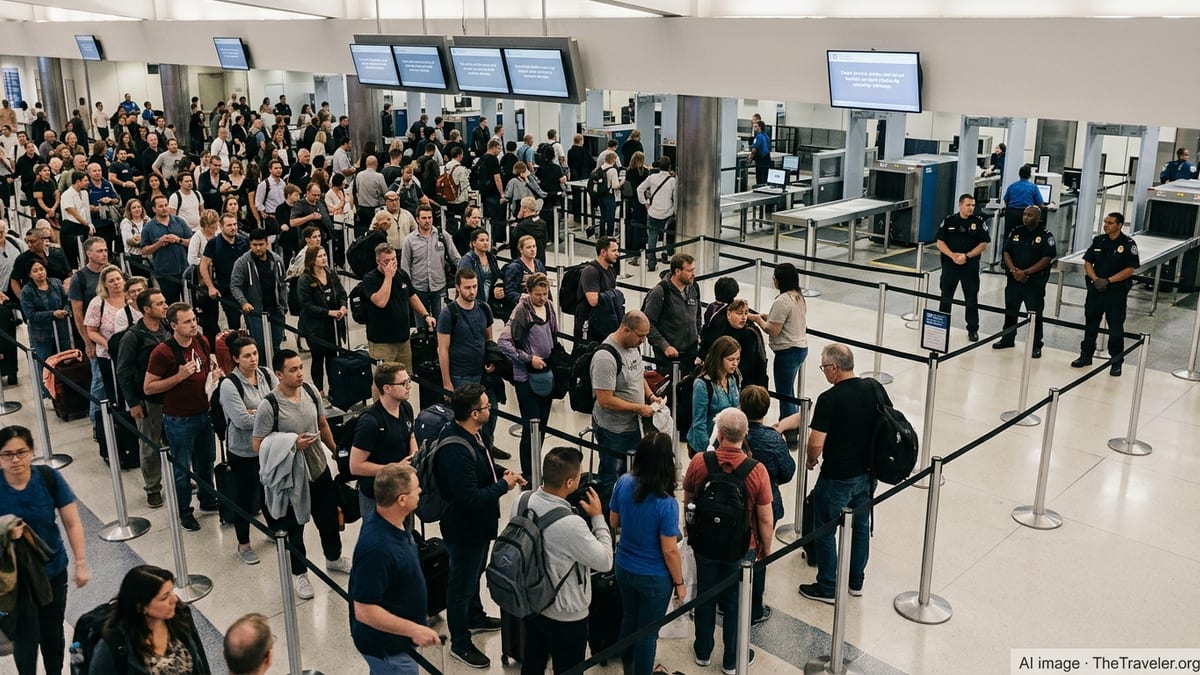
With 116 delays and three cancellations already recorded, travel experts advise that anyone due to fly from or via Copenhagen today should monitor their flight status closely through airline apps or airport information screens and allow additional time at the airport. Check in and security queues can lengthen quickly when a cluster of delayed departures overlaps in the schedule.
Passengers concerned about missed connections are encouraged to review their itineraries and, where possible, identify alternative flights on the same day, particularly on the high traffic routes to Stockholm, Oslo, London, Paris, Amsterdam and Frankfurt. Those with flexible plans may benefit from accepting earlier rebooking offers rather than waiting for a final confirmation close to departure time.
For travelers experiencing significant delays or cancellations within Europe, consumer information portals reference European passenger rights regulations that may apply in cases of long delays, cancellations or missed connections, depending on the circumstances and the cause of the disruption. Travelers are advised to retain boarding passes, booking confirmations and records of any additional expenses incurred during their extended journey.
As operations evolve over the course of the day, further changes to the tally of affected flights remain possible. Anyone planning to start or end a journey at Copenhagen, or to connect through the airport, is therefore likely to benefit from a cautious approach, building in extra time and staying alert to schedule updates.